
A previous Killer 3D Printing Applications article looks at tool voids and tool storage. With 3D printing, we can connect different sets and make cases to organize tools. We can have specific organizational systems for particular operations and find ways to speed up many operations and make them safer. But 3D printing, in hand with power tools, can go much further than just that.
The Market for High-End Power & Hand Tools
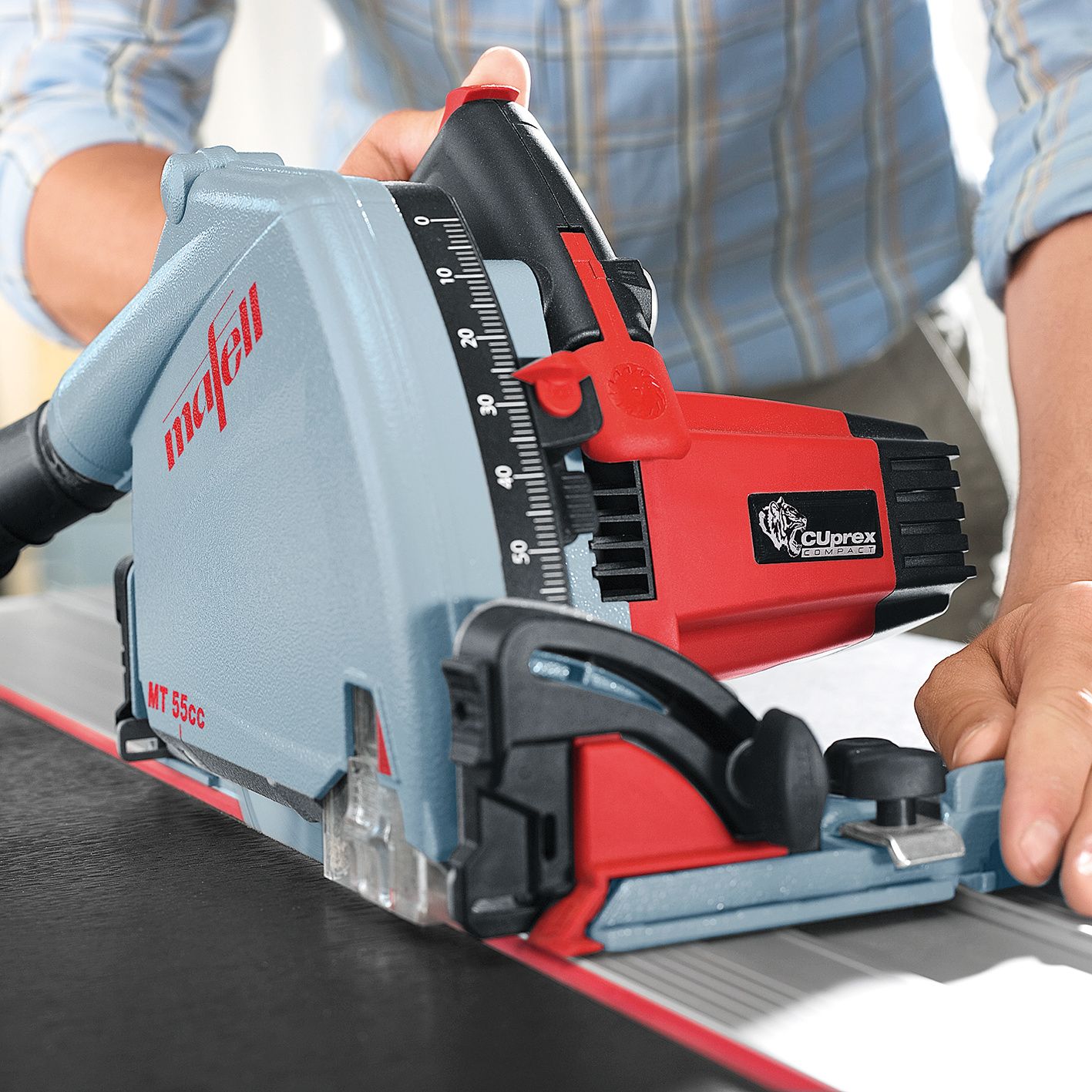
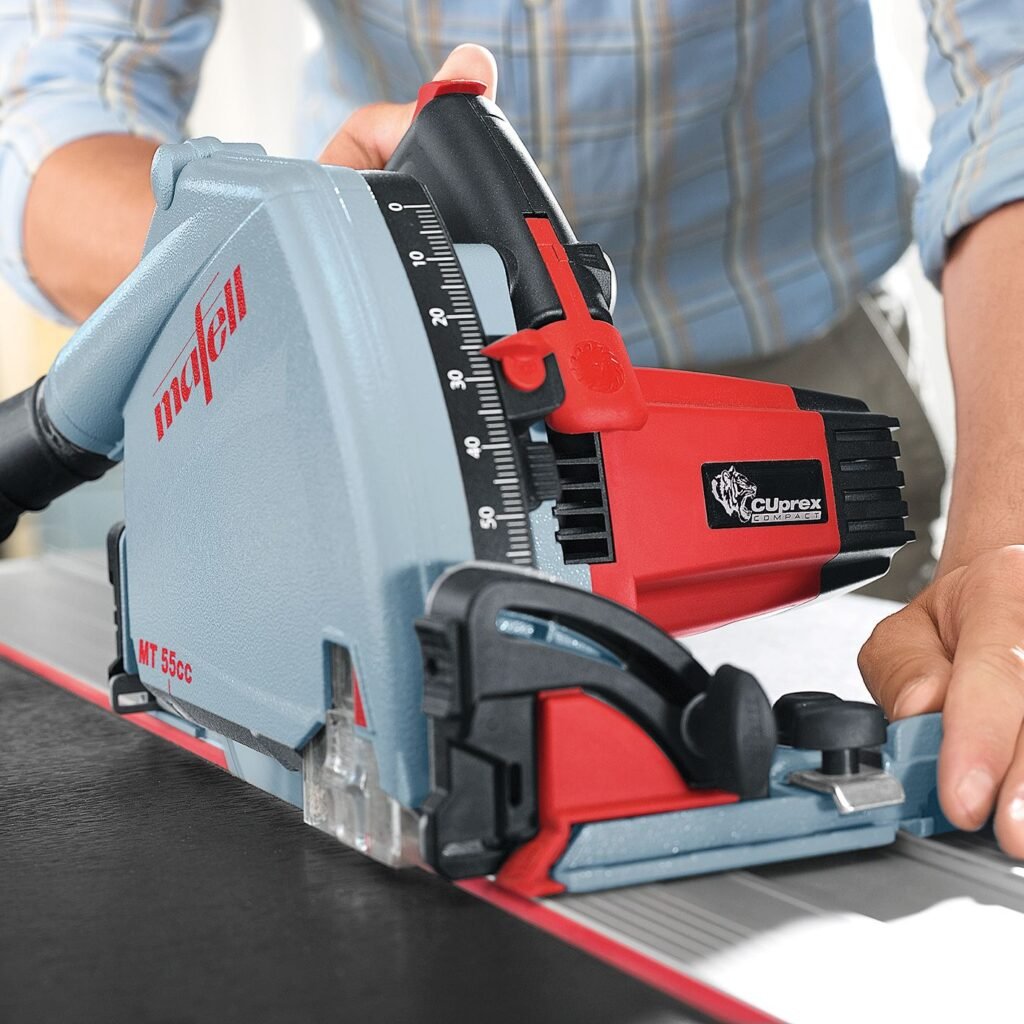
The Mafell MT 55 cc plunge-cut saw is regarded as one of the premium woodworking and construction saws on the market. Image courtesy of Mafell
If you need a plunge cut saw, you should probably get a Mafell MT 55 cc. It’s very well made in a factory in Germany that still makes nearly all of the components and tooling that go into the product. From that family-owned factory in Oberndorf am Neckar, Baden-Württemberg, come some of the best power tools in the world. Now you could opt for another family-owned brand, Festool, from Wendlingen. The individual Mafell tool is probably better, but Festool’s connected ecosystem of dust extraction, storage, and batteries makes owning just one more Festool a very good choice indeed. If you work with wood, either choice is good. But if you’re cutting wood to size at a construction site, you’ll probably go for Mafell, and if you make cabinets for a living, you’ll probably go for Festool.
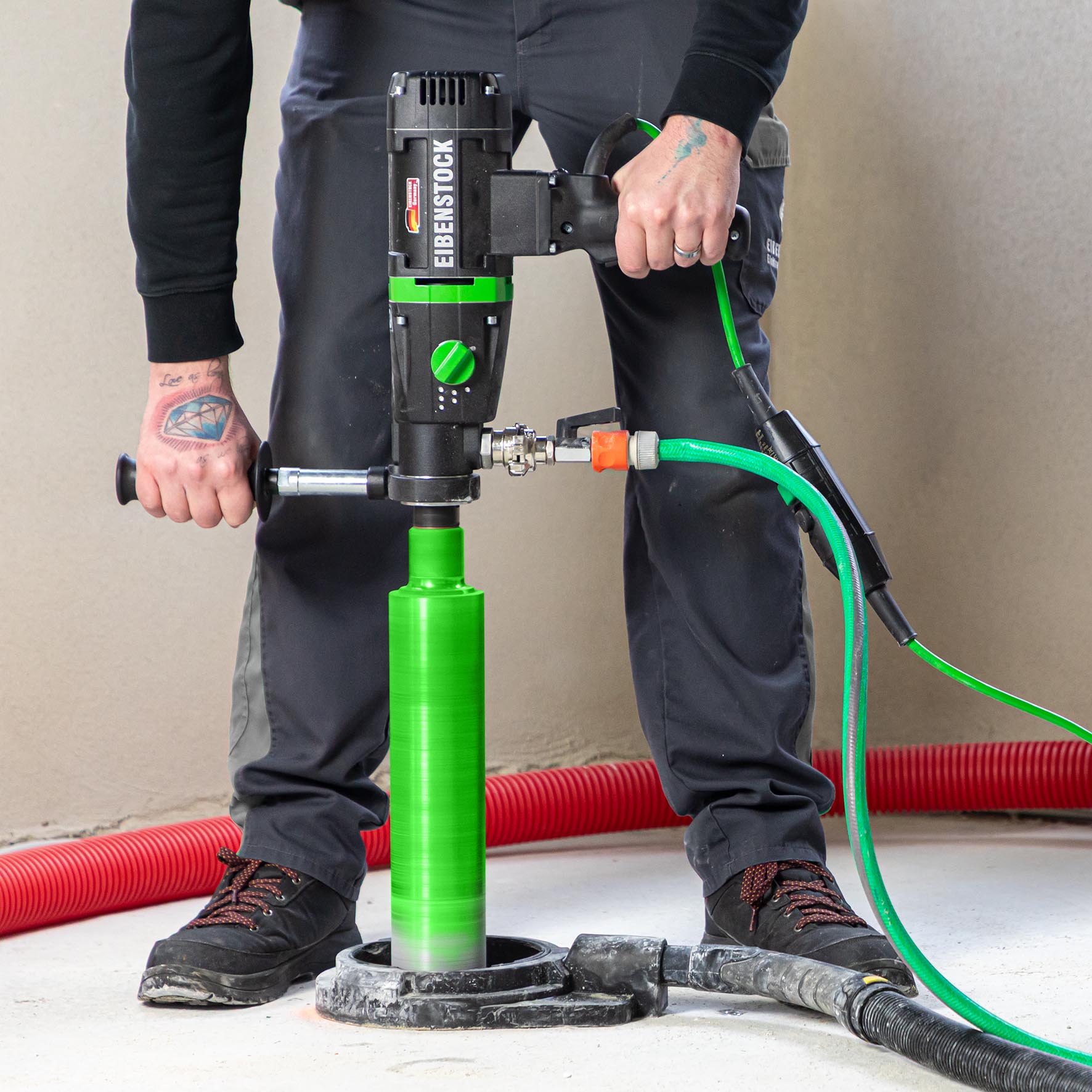
Eibenstock’s diamond core drilling systems are designed for heavy-duty professional construction work. The company is one of several European toolmakers highlighted in the article for its focus on durability and engineering quality. Image courtesy of Eibenstock.
In drilling, for example, Eibenstock, DUSS, Fein, and BDS Machines all compete with supremely well-engineered tools for specific user groups. DBS rules in magnetic drill presses, for example, Fein is best for metalwork while Eibenstock and DUSS compete in diamond core drills. Elbenstock is hilariously better than almost any other power tool that you’ve ever seen, while DUSS is even more durable. These tools are expensive, priced more than already well-made tools such as those from Makita. They’re true professional tools, not the delayed landfill you’re likely to find at your local big-box hardware store.
Hand Tools and Power Tools More Broadly
These companies are under threat from cheaper imports and more than that a more disposable mentality. But, with construction and manufacturing sorely needed, these firms could continue in their niches if they keep ahead of the curve. The reason is that in countries such as France, Germany, and the Netherlands, it would cost you around 50 to 100 euros per hour to hire a carpenter. Now, if everyone switched to a hobbyist who works without a contract, insurance, or taxes, that would be cheaper per hour but would rob society of the safety net and shared costs that make contemporary society possible. So the more law-abiding people pay taxes and work according to the rules, the more likely there will be a need for well-functioning, rugged, and reliable tools. The more people work illegally, the more likely the market for low-cost tools is to spread.
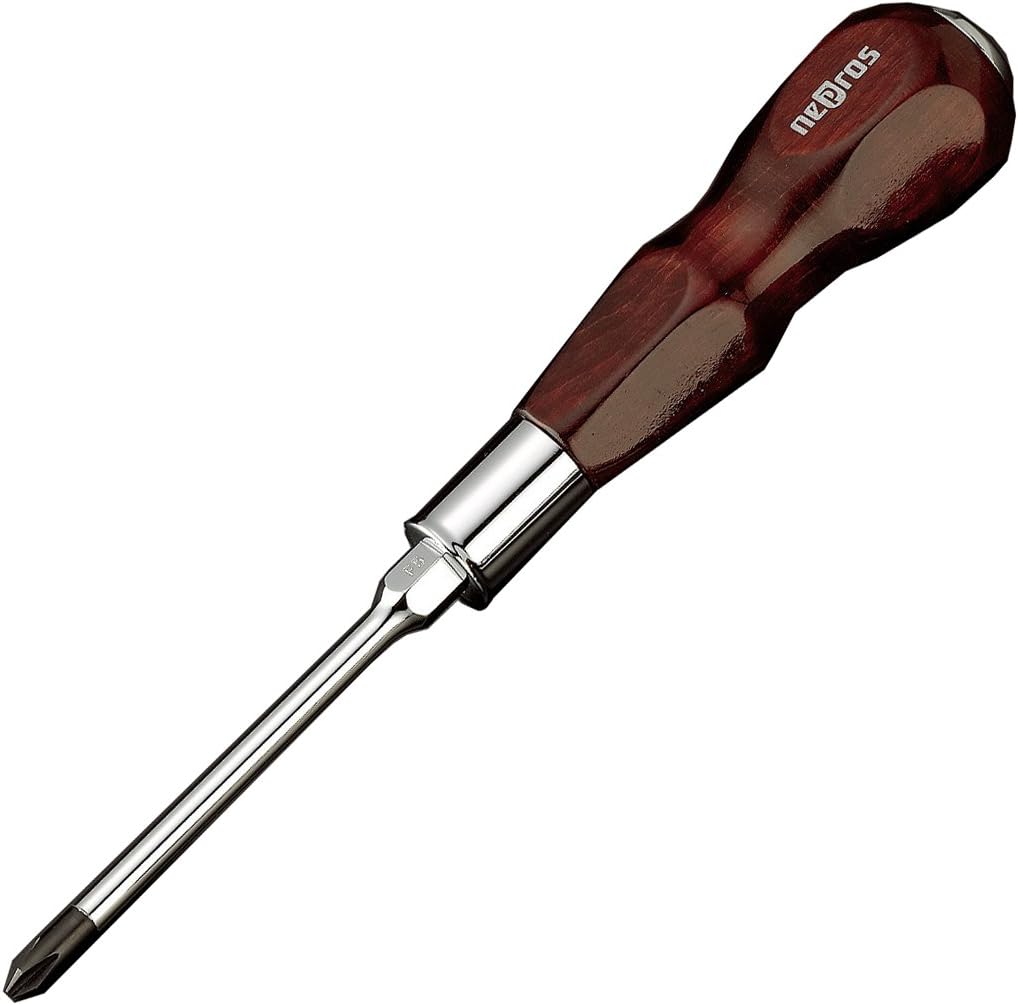
Japanese hand tool maker Nepros is known for premium precision tools and polished finishes. Image courtesy of Nepros.
Assuming, therefore, that the normal market continues to thrive, more reliable tools will become more in demand. At the same time, we would expect more competition from China in this category. In hand and power tools, there are a few global players, but many companies are entrenched regionally. And there are quality brands such as Vessel, Max, and KTC from Japan that are only now being used more widely beyond their shores. But KTC doesn’t even have a distributor in Europe, the Middle East, Australia, South America, or Africa, even though it’s been Japan’s biggest hand tool company for decades. Vessel was better for some Japanese electronics screws, and only because people wanted to disassemble Japanese-specific products did it gain popularity. Bosch is a good power tool choice in many places, while in Japan, Panasonic is a good choice. Gray tools are reportedly good hand tools in Canada, while JessEm and Veritas are good woodworking tools from there. Taiwan has King Tony and produces tools for others through companies like Kabo. Wera is very well known in many parts of the world, but hand tool brands typically are not as widely distributed as global power tool companies. This means that niches are local, sometimes standards are too, and everywhere there is a preference for the company that your Dad used. Generally, we can see a trend toward lower-quality tools being available in both big-box stores and local hardware stores. It’s quite difficult for me, for example, to find Felo, Wera, and Wiha hand tools in Valencia, Spain, while low-cost challenger brands that are good enough are becoming more widely available.
Now we see the emergence of shoddily made tool brands that use social media to sell. Consumer electronics companies are making more tools, and well, often badly. Indeed, it looks like the staid regional specialists are going to be in trouble.
Improved Sizing
Your DUSS drill may be the world´s best, but it’s probably not made for your hand. The most obvious thing toolmakers could do with 3D printing is to make many more different-sized hand grips for many different hands. This would cement their premium nature and make tools more comfortable and safer to use. You could also come up with a custom path for creating custom 3D printed handles that match your hand. This may be a good experience, but you’ll probably get 70% of the benefit from having 30 sizes instead of just one; there’s no need to make everything custom.
Improved Ergonomics
Overall, we can also conceive of customized tool handles, buttons, and setups. We can make tools for left-handed people, a completely overlooked market. We can also make tools for people who use them in a certain way. A particular grip, for example, or a particular stance could be optimized for. After all, people will be doing this for many hours a day. You could also take a nail gun and optimize it for two specific grips, morning and afternoon, allowing workers to use two different grips and save on fatigue. Tools can be optimized for frame sizes and optimized for the types of gloves people are wearing.
Grip
We can generally optimize grip and make tool handles optimized for wicking sweat. Here, too, grip can be optimized based on the gloves people are wearing. And you can make glove-and-tool handle combos to optimize their behavior. Special non-slip sections can be made. And special rougher sections can be made, so you know exactly where to put your hands. You can make grip surfaces that guide your hand to use them very specifically. Rather than just compound handles or handles that come in rubbery and rigid materials, many more densities can be used. Grips can be optimized to resist oil or resist a particular type of lubricant. Grips can be optimized specifically to resist plaster or work in dust-rich environments with particular gloves.
Energy Return and Absorption
With 3D printing, we can engineer energy absorption and return by creating highly specific structures. These structures could be tailored to the tool and operation. So a ratchet could be optimized for the part of the fingers that contact it. Or a screwdriver could be optimized for that action in the wrist to protect it. We can specifically absorb the energy coming off of a drill, and that structure would be completely different if it were a different type of drill or other power tool. We could absorb energy directed to the shoulder or other body parts, specifically where it would be most harmful.
Vibration Mitigation & Dampening
At the same time, we could add vibration mitigation to prevent the most harmful vibrations from reaching the body. We could precisely reduce the specific vibrations that cause trauma or long-term injuries where they matter. We could also dampen the drill itself with damping structures that would extend the tool’s life while reducing stresses on the body. Specific damping structures could be designed to improve tool accuracy or extend motor life. The microtraumas caused by the vibration of the drill could be reduced significantly. This would mean healthier, less injury-prone workers who are less fatigued. Overall, the tool life would be lengthened specifically.
Long-term Injury Mitigation
Septic forces from pushing a drill to the wall, kickback, and vibration could be targeted where and when they produce the most damage to the body. So a specific grip can be made to reduce Hand-Arm Vibration Syndrome (HAVS) and other nerve damage caused by power tools. That structure would be optimized for the tool in question, the forces it unleashes on the body, and how it is used. For a different drill, the structure would be different.
Vibration white finger could be reduced by providing several grips for a single tool, so that a worker on different days could grip it differently. We could look specifically at how this syndrome occurs and how it propagates, and design structures to reduce it. Tactile sensitivity reductions could also be specifically targeted by specific force-absorbing structures.
Carpal Tunnel syndrome could be reduced through making the grip give a little feedback, so it cushions just enough, but will feel waffly if you grip it too tightly, for example. Shock and vibration could be reduced specifically by 3D printed dampeners on the tools. Bone cysts and other syndromes have not been well documented, but could be averted nonetheless.
Torsion forces could be specifically mitigated to reduce injuries in the wrists and upper body. Strains and sprains would be specifically reduced. Rotational cuff injuries and pressure on joints can be specifically reduced as well. Better structures could make the tool more comfortable to hold with the hands, palms, and fingers. Grip surfaces could be specifically engineered so that a sharp tool is likely to fall or slip in a safer direction.
In a challenging, competitive landscape, 3D printing could be used to make tools more comfortable, reduce their vibration and other effects, and specifically reduce the harmful long-term effects from those tools. No one is currently doing this, and if someone does this specifically well, they could build an entirely new future for themselves.