
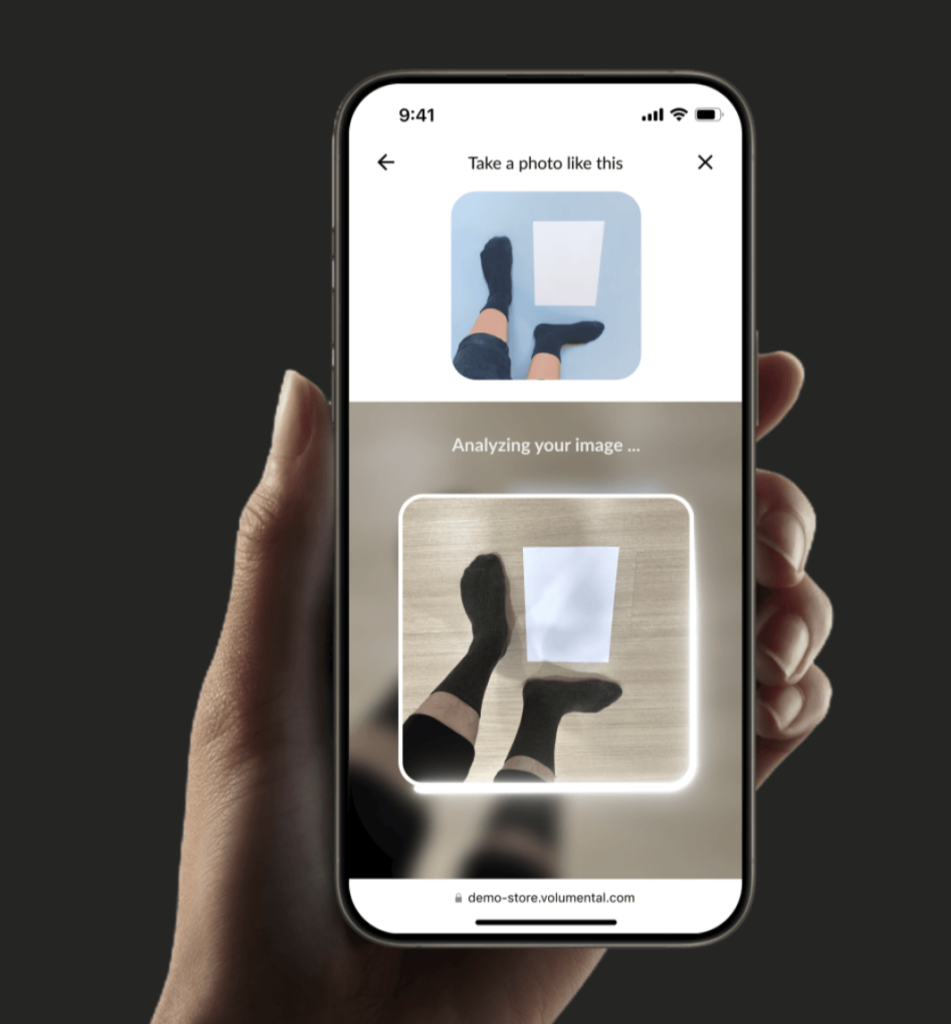
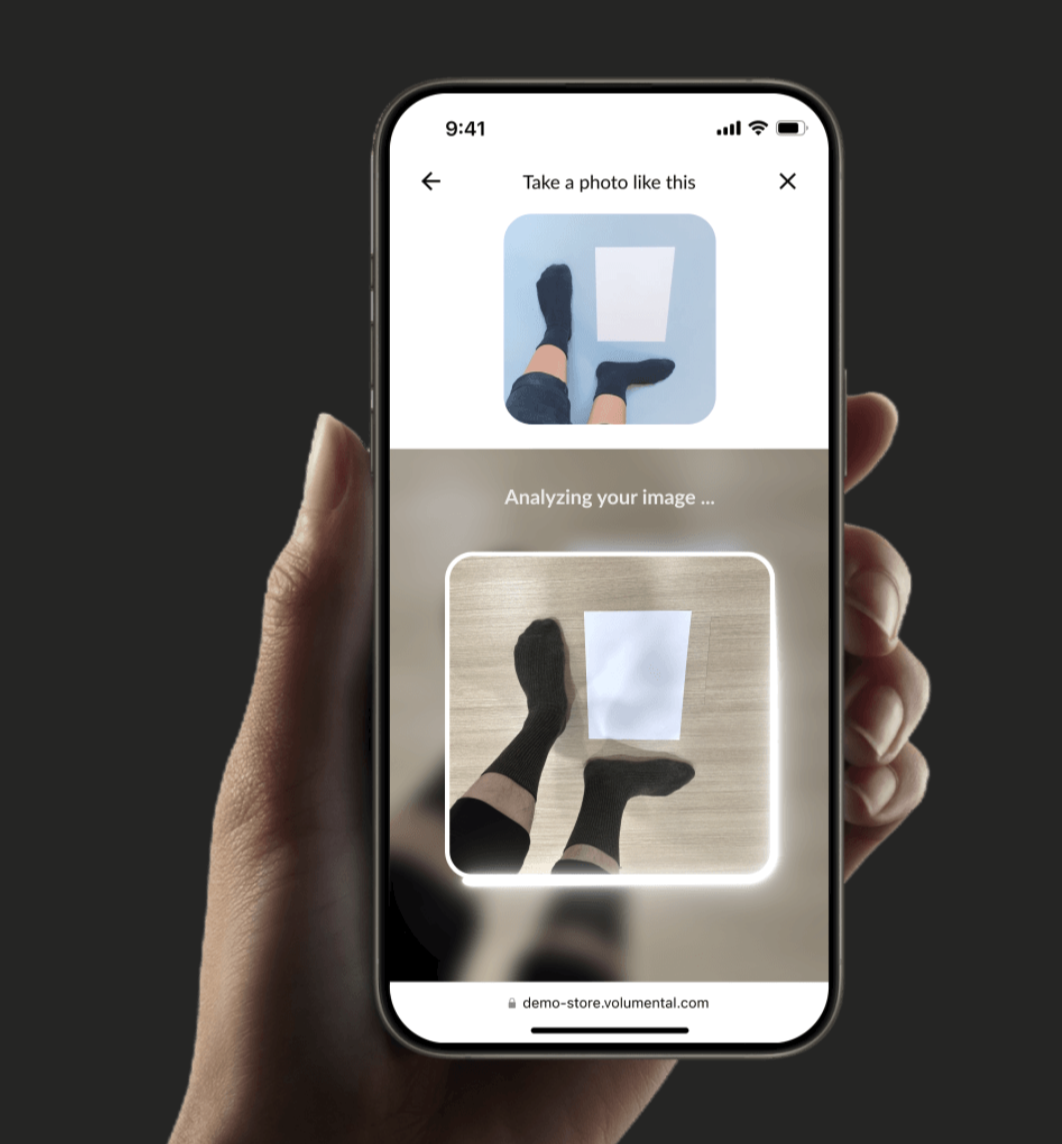
Volumental is a Swedish 3D scanning company that has created, over the past decade, a scan-to-fit solution for use in stores. The company has worked with sports retailers and shoe brands such as New Balance and Hoka to make a shoe-fit solution. You can go to a store, scan your feet, and you’ll have the absolute right size. Then, afterward, you can always order from that brand to get the right-sized shoe. I used the engine once in a store, Bever, to buy hiking boots and was impressed with its speed and efficiency. The tool pointed my salesperson to narrowing down specific Meindl boots based on my foot shape. Others would not be comfortable given my high arch, saving the salesperson and me a lot of time. I really liked that as an experience. Their FitEngine uses AI to generate the right fit and can also be used at home through phones. And that sizing solution I used once to buy a pair of Hokas online. This helped me go through with my purchase because I would be more confident that they would fit, and they did.
Now, Volumetric has been acquired by Zellerfed, the German 3D printed shoe production platform. On the face of it, this could be a revenue-generating opportunity and cost-saving project in one for retailers and shoe brands. But the firm is now being taken over by the 3D printed shoe movement, Zellerfeld. Zellerfeld could simply be interested in a technology that would be useful to itself or its market. But by becoming a YouTube for shoes, the company will probably differentiate itself not only by having many designers work on its platform, but also by offering well-fitting shoes. That, therefore, could point to Volumental itself or at least its offering being integrated into Zellerfeld.

Beyond this, things could get very interesting. If Zellerfeld can make truly individual shoes that can conform to your foot and optimize comfort and walkability, they could have further differentiation. And Volumental can be instrumental in unlocking this potential.
If Zellerfeld could engineer its shoes to work better on your feet, it could grow much bigger. Volumental reportedly has scanned over 66 million feet and is in over 3000 stores. So that data lead could also aid Zellerfeld. Perhaps it could, through Volumental, extend its 3D printed shoes into shoe stores or develop a fit-to-print solution for store chains?
At first, Zellerfeld’s centralized 3D printing approach seems more likely. But perhaps an in-store printing solution, provided in part by the company, could give it an unassailable lead. Even if it does not provide access to the geometries, the overall total understanding of the variety in human feet is very valuable. And if it can accurately size your feet from home and give you better-fitting shoes, then Zellerfeld could see more customers.
Zellerfeld has really pushed, grown, and developed its own offering and the 3D printed shoe market. I’ve always been skeptical of 3D printed shoe developments on the whole. But given Zellerfeld’s progress, we can now see a complete offering emerge. If the company can develop comfortable shoes and find the right designers, it could grow its business towards higher-volume customers.