
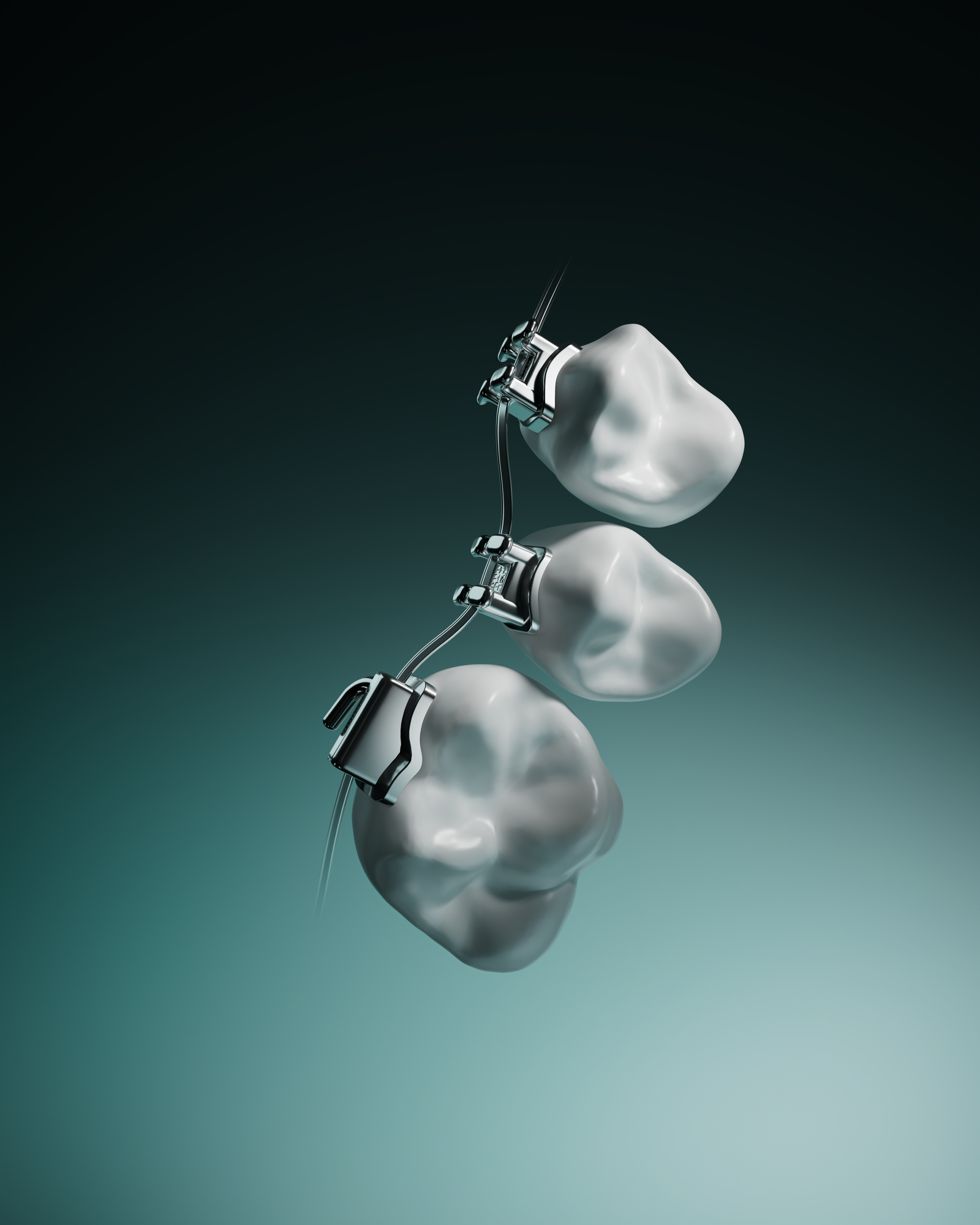
For decades, braces have followed a pretty simple formula. Manufacturers make millions of identical brackets, orthodontists bond them to patients’ teeth, and then spend months making adjustments to get each smile exactly where it needs to be. According to orthodontist and early LightForce advisor Dr. Bryan Lockhart, that process has remained largely unchanged because the brackets themselves were never designed for the individual patient.
“Historically, it didn’t matter who the patient was. Two patients could have completely different teeth, but they would get the exact same bracket,” Lockhart told 3DPrint.com. “That meant much of an orthodontist’s work happened after the braces were already in place. As teeth gradually straightened, doctors often had to reposition brackets, bend wires, and make other adjustments to fine-tune the final result. Now, companies like LightForce are trying to change that by turning every bracket into a custom-made medical device.”
Instead of manufacturing one standard design, the company creates a unique bracket for every tooth of every patient using digital treatment planning and metal or ceramic 3D printing.
“It’s really moving from an average prescription to a personalized prescription for every patient,” Lockhart said.
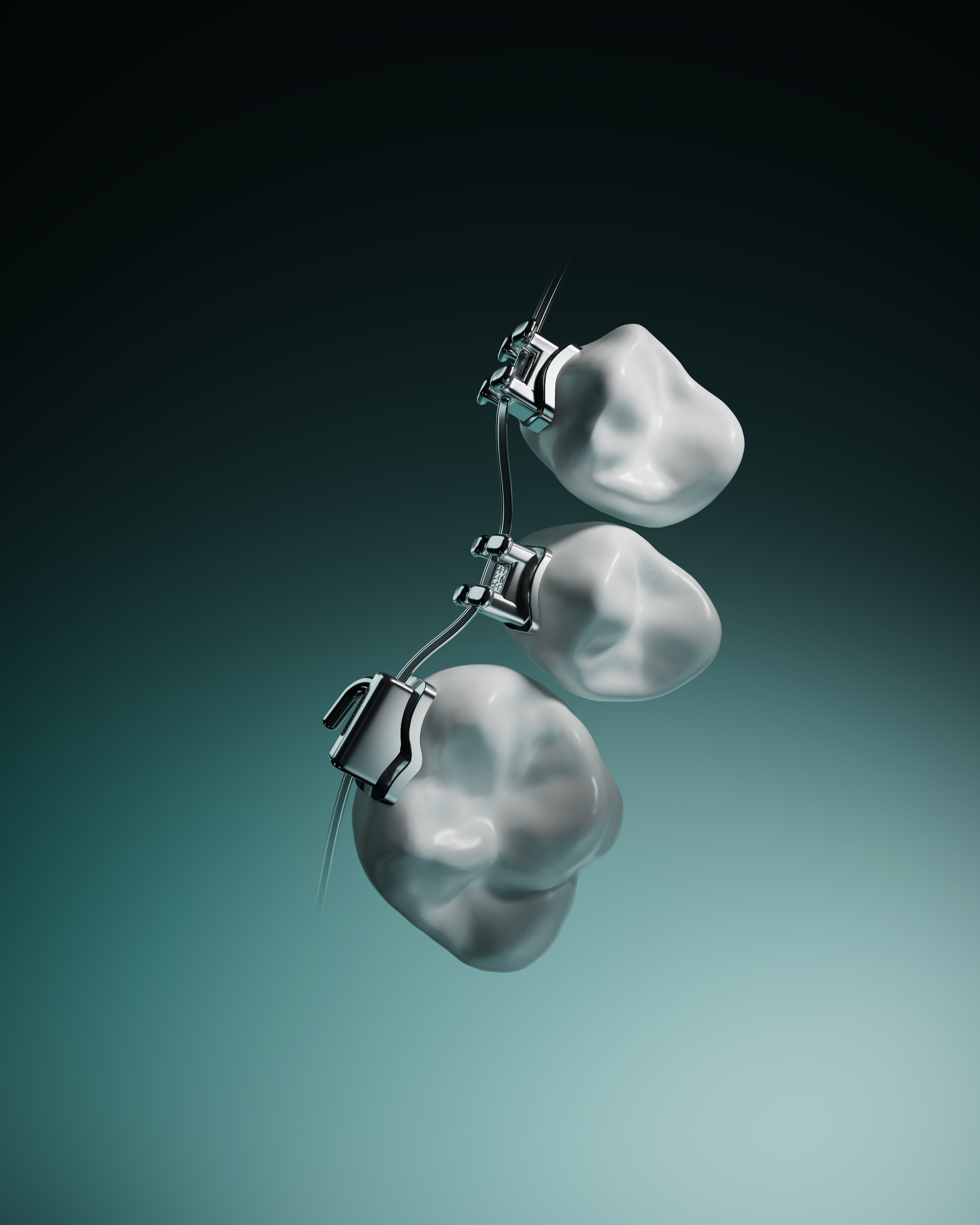
LightBracket. Image courtesy of LightForce.
A Digital Workflow From Day One
The process begins with a digital scan taken at the orthodontist’s office. LightForce accepts scans from virtually any major intraoral scanner, allowing practices to keep the equipment they already use.
After receiving the scan, the company creates a digital treatment plan that shows how each tooth should move throughout treatment. Orthodontists then review the plan, make any adjustments based on their own preferences, and approve it. Only then does manufacturing begin.
Rather than producing a box of identical brackets, LightForce manufactures a complete set designed specifically for that patient’s teeth. The approach changes more than manufacturing. According to Lockhart, it also changes how treatment progresses.

Dr. Bryan Lockhart. Image courtesy of LightForce.
“Instead of relying on repeated bracket repositioning and wire bending near the end of treatment, much of that planning is built into the customized brackets from the start. When we finish the initial alignment, we don’t have to do all of those tricks we traditionally used,” he said. “The details have already been built into the treatment plan. For patients, that can mean fewer appointments and shorter overall treatment times.”
Lockhart adds that customized brackets also reduce the time patients spend in the chair because all brackets can be bonded to the teeth at the same time using a custom tray, rather than placing each bracket individually.
Manufacturing Millions of Different Parts
While traditional manufacturing is designed to produce identical parts, LightForce’s production line does the opposite: it makes every bracket different.
Katie Doran, Vice President of Physical Operations at LightForce, tells me that changes almost every part of manufacturing.
“Every single one of our products looks unique,” she said. “That means our manufacturing systems and our quality control systems also have to be customized.”
The company manufactures both its ceramic and newly introduced metal brackets in-house at its facility in Wilmington, Massachusetts. Unlike some metal dental manufacturing processes that use 3D printed molds or casting patterns, LightForce prints its metal brackets directly. “There are no molds,” Doran said. LightForce is printing metal directly, thanks to its intellectual property protecting its core manufacturing processes.
“Precision is one of the biggest technical challenges,” Doran noted. “We work to achieve tolerances of roughly 12 microns while producing customized parts at scale. We’ve had some really brilliant engineering minds solving different process challenges.”
More Than Just Metal
LightForce recently introduced LightBracket Metal after hearing repeated requests from orthodontists and patients. For years, the company focused on customized ceramic brackets, which remain available. The decision to introduce metal wasn’t simply about aesthetics. According to Doran, metal allows the company to produce “thinner, lower-profile brackets while meeting growing demand,” particularly among younger patients who increasingly prefer the traditional look of metal braces.
Lockhart says doctors had also been asking for a metal option for practical reasons: “Metal brackets are smaller, familiar to orthodontists, and remain the most widely used type of braces. The addition of metal also expands the number of patients who may choose customized treatment. There was demand from both practices and patients.”
Doran says she does not expect ceramic to disappear. Instead, she believes orthodontists may eventually combine both materials depending on each patient’s needs.
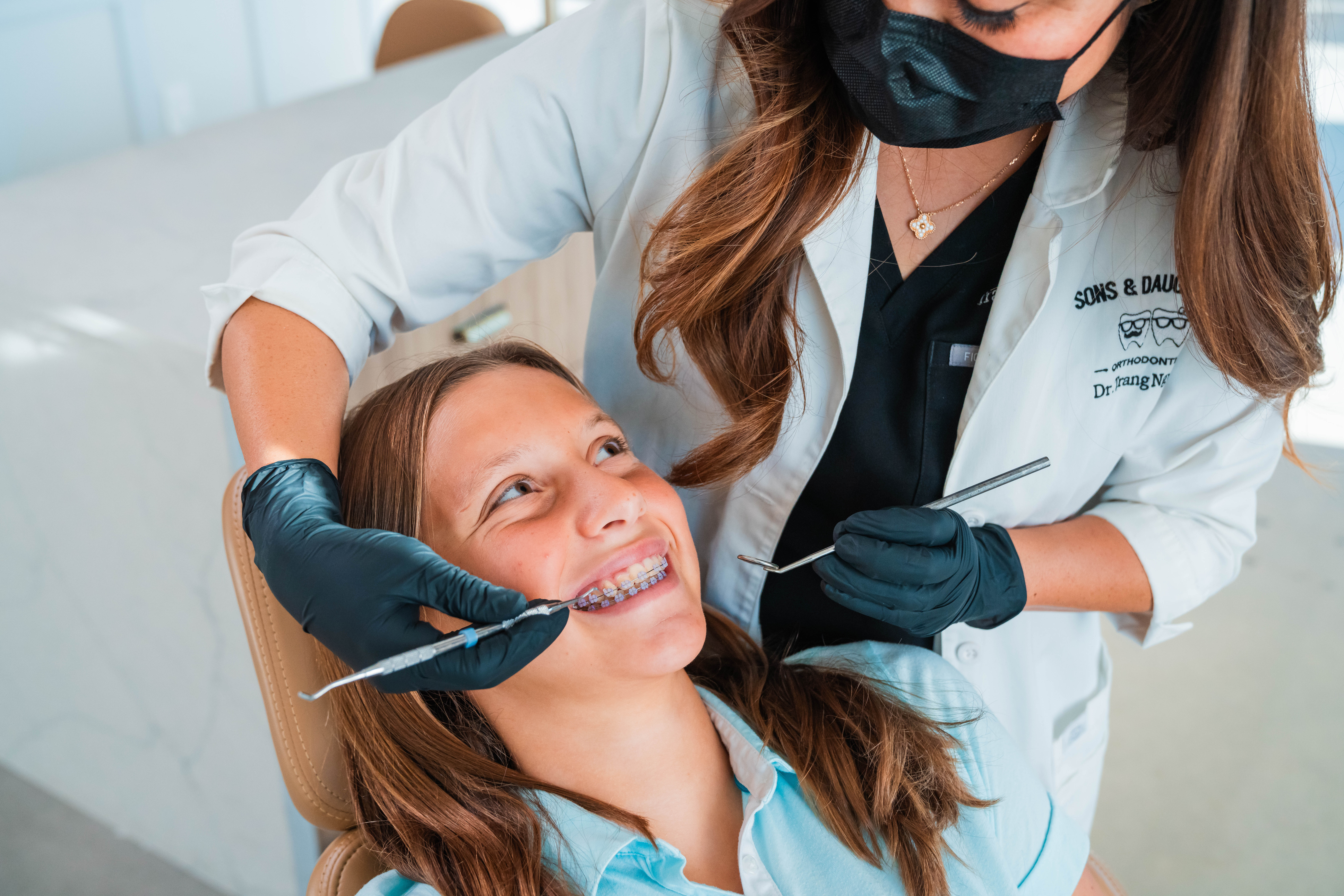
LightForce Orthodontics releases LightBracket Metal. Image courtesy of LightForce Orthodontics.
Although the new metal brackets have received most of the attention, both Lockhart and Doran believe a much bigger change is happening. Orthodontics is starting to move away from one-size-fits-all treatment toward personalized manufacturing.
In fact, Lockhart compares it to earlier changes in the profession: “Years ago, orthodontists bent nearly every wire by hand. Later, manufacturers introduced brackets with built-in prescriptions, making treatment easier. Customized brackets are simply the next step. We’re just moving from average prescriptions to personalized prescriptions.”
Metal brackets may be the company’s newest product, but both Lockhart and Doran see something bigger happening. As more of orthodontics becomes digital, they believe customization will become less of an exception and more of the standard.
This is Part I of a two-part series. In Part II, we explore how customized brackets changed the treatment experience for the first patient to receive LightForce’s new metal braces.