

In the oil and gas industry, every day of unplanned downtime can translate into significant operational and financial losses. When a critical component is unavailable, operators may wait days or even weeks for replacement parts to arrive through traditional supply chains, particularly when assets are located offshore or in remote locations. This reality has made localized manufacturing one of the most attractive opportunities in additive manufacturing, enabling parts to be produced closer to the point of need and reducing dependence on inventory and logistics. Yet despite the technology’s potential, many organizations have been reluctant to scale distributed manufacturing due to concerns around intellectual property theft, unauthorized part reproduction, and the challenge of maintaining control over sensitive manufacturing data across multiple production sites.
For Petrobras, one of the world’s leading energy companies, these challenges are particularly relevant. Across oil and gas facilities, maintenance teams routinely replace components that have reached the end of their service life due to corrosion, wear, or environmental exposure. One common example is the handwheel, developed by Korall Engineering, used for manual valve operation. In offshore and coastal environments, metal handwheels are constantly exposed to moisture and corrosive conditions, often becoming rusted and requiring replacement as part of normal maintenance activities. While these components are relatively simple, delays in obtaining replacement parts can impact maintenance schedules and increase operational costs. Producing such parts closer to the point of need is in the core operations of Sparely, the company orchestrating the spare parts supply in the project, offering a practical opportunity to improve responsiveness while reducing dependence on lengthy supply chains.
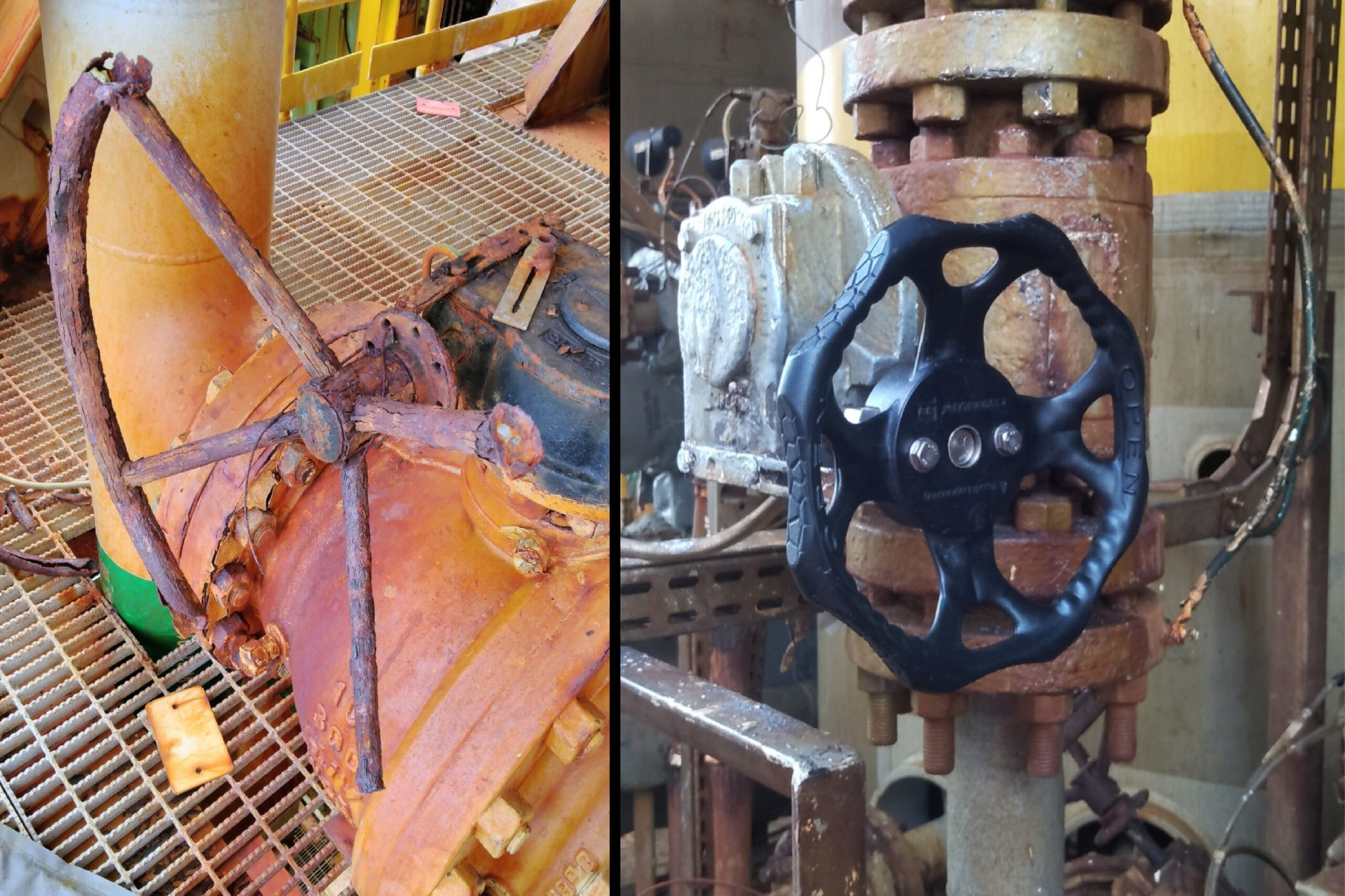
“The ability to securely manufacture parts closer to the point of need is a game changer for industrial operations. It has the potential to reduce supply chain constraints, improve responsiveness, and unlock new opportunities for distributed manufacturing,” said Lior Polak, CEO and co-founder at Assembrix.
This is where secure digital manufacturing infrastructure becomes the missing link between the promise of distributed manufacturing and its industrial adoption. While industrial 3D printing technologies have largely solved the challenge of producing qualified parts, manufacturers still face a critical question: how can production be distributed without compromising intellectual property? For many industrial organizations, the true value of a part lies not only in the physical component itself, but in the engineering expertise and proprietary manufacturing data embedded within its digital design. Simply sharing files across multiple suppliers or production locations can expose valuable intellectual property and create risks of unauthorized reproduction. Assembrix addresses these challenges by integrating with industrial 3D printers, including HP Multi Jet Fusion systems, and enabling secure remote production through encrypted data delivery, centralized control, and complete process traceability. This allows IP owners to manufacture parts anywhere in the world while maintaining full control over when, where, and by whom production is executed, without exposing sensitive design data to the production site.
“As additive manufacturing adoption continues to grow, customers need solutions that connect production readiness with secure operational deployment. Integrations such as Assembrix help bridge that gap, enabling manufacturers to move from isolated production environments to connected manufacturing operations without compromising operational governance,” said Arvind Rangarajan, Global Head of Product and Strategy for HP Additive Manufacturing Solutions.
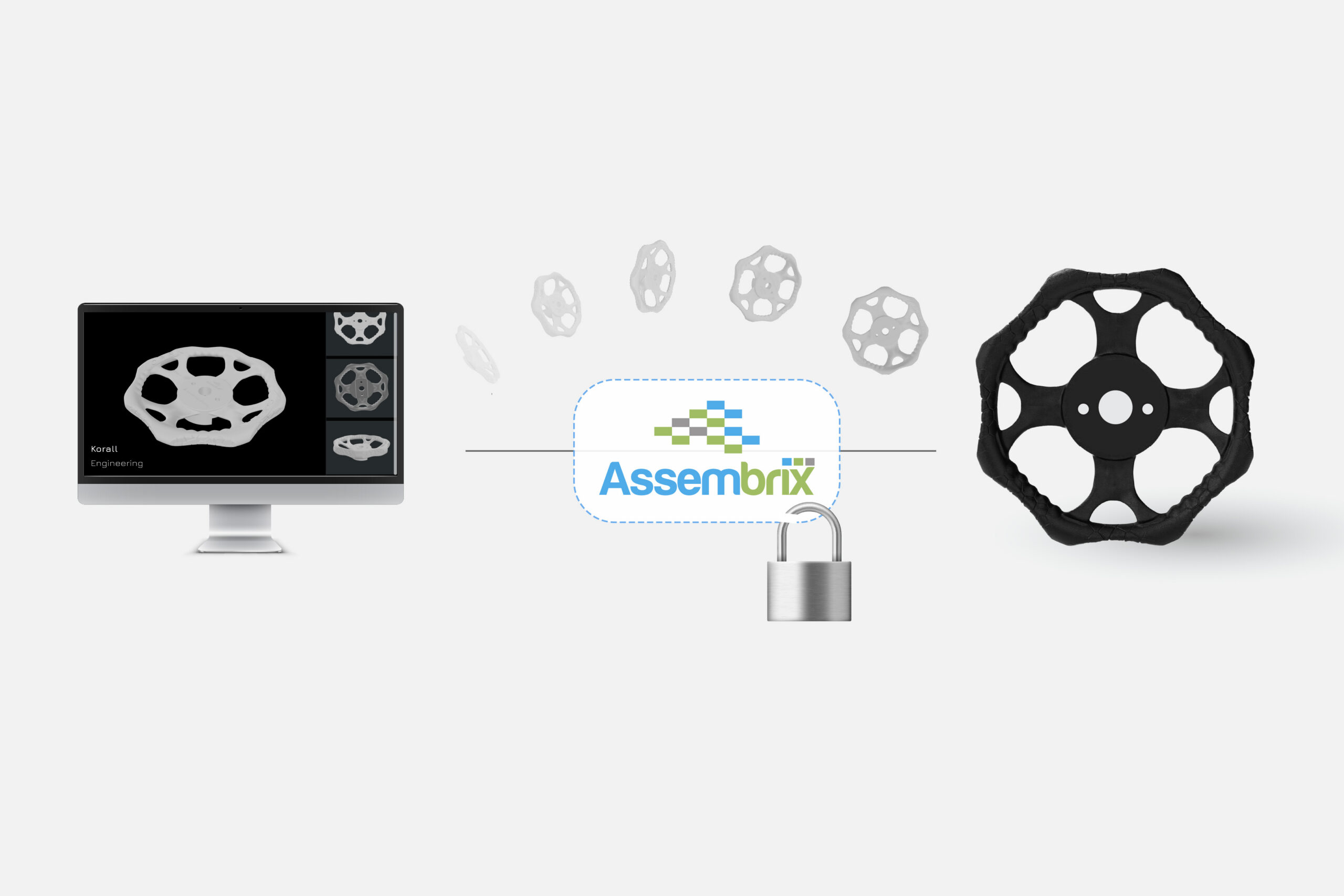
Manufacturers can authorize production, monitor activity in real time, and maintain governance across multiple locations while keeping sensitive manufacturing data protected. In addition, the Assembrix platform streams production data throughout the build process, providing real time visibility into manufacturing activity and machine performance. This enables stakeholders to verify that production is being carried out according to the original specifications and quality requirements, helping ensure consistency and confidence in the final part regardless of where it is produced. By securing the digital thread from design to production, Assembrix enables organizations to confidently scale additive manufacturing without sacrificing control over their most valuable assets.
For Brazil’s energy sector, this represents far more than a technological improvement. It has the potential to be a game changer. By addressing one of the largest barriers to distributed manufacturing, the secure management of intellectual property and production workflows, organizations can finally begin realizing the full value of localized production. What was once viewed as a future vision for additive manufacturing is becoming an operational reality, enabling critical parts to be produced where they are needed most while maintaining the security, control, and traceability demanded by industrial operations. The successful production of a replacement handwheel for a corroded component found in existing oil and gas facilities provides a practical example of how secure additive manufacturing can help modernize maintenance strategies, reduce supply chain dependency, and strengthen operational resilience across Brazil’s energy sector.