
It was super busy on the third day of Formnext, busy with people coming to buy, learn, or do research. A few curious onlookers stopped by, and lots of people were shopping. Several people met and sold hardware well this year compared to last year. People are much more informed users now. And we have a broader group of users. There are people predominantly shopping for desktop devices or looking to compare mid-range printers, as well as those looking for high-end devices. Unnoticed, we’ve expanded our user base, and the percentage of people who go to the show and buy something has increased as well.
A lot of things have gotten more affordable. Resins are much cheaper, but also a lot of post-processing equipment is far less expensive today. Partly, this is a Chinese influence, but DyeMansion, along with HP and Formlabs, offers entry-level depowdering and surface finishing. The DyeMansion Powershot Pro seems like it could do the job well and is available for $16,000. There are cheaper vacuum cleaners, less expensive drop cams, cheaper filament, cheaper sieves from TOP, and the like, too. We keep thinking of trends, but the increased affordability across the board, not just in systems, has had a big impact on the market. The same goes for tonnes of new vendors for peripherals, add-ons, or tools. The ecosystem is expanding while unicorns bite the dust.
A friend of mine tabulated 120 distinct news releases and new products at Formnext. We’re a bit overwhelmed, as you can imagine. So there’s a lot more news and a lot more improved products than before. And as stated, a printer is not some magic box that solves everything, but rather an evolved tool you can buy and use. There’s lots of encouraging news, such as Atlix’s sale of an xBUILD 5000 LPBF system to BMW to make aluminum parts. That’s good news for the newly independent firm, and builds on success with Airbus Helicopters. Luca Veneri developed VECTRON, which is an area sintering process that promises higher speed and lower part costs. BQ has a smart stand for you to put your filament rolls on, weigh them, and scan them so you can store and organize them well—great thing for labs or universities.
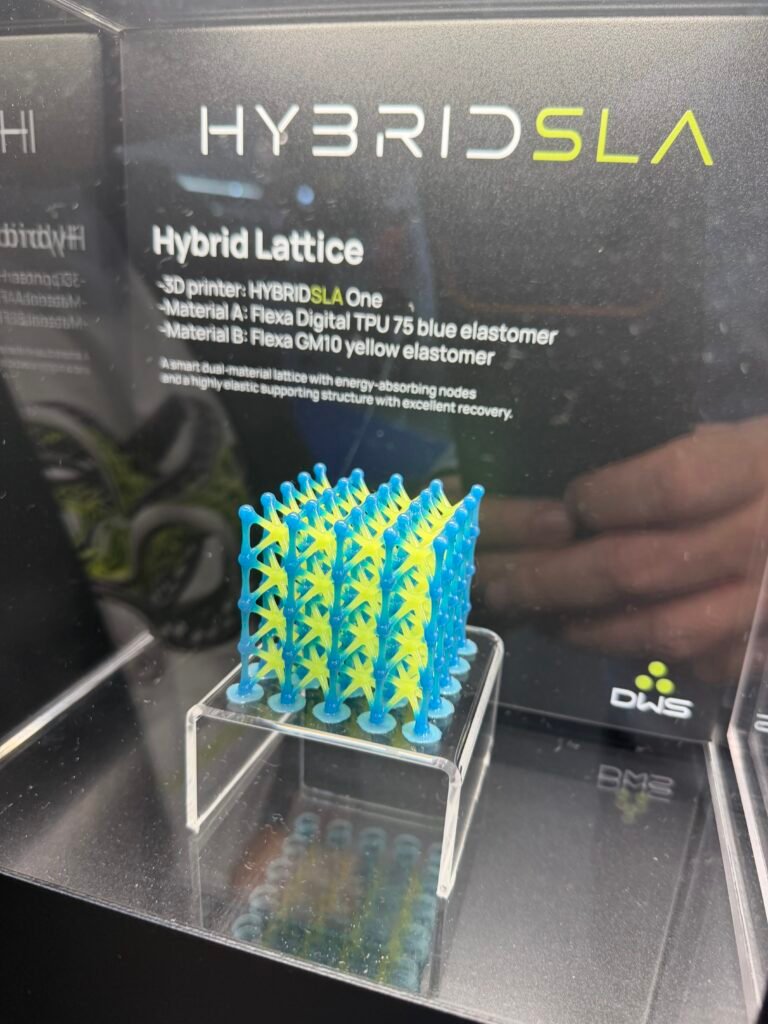
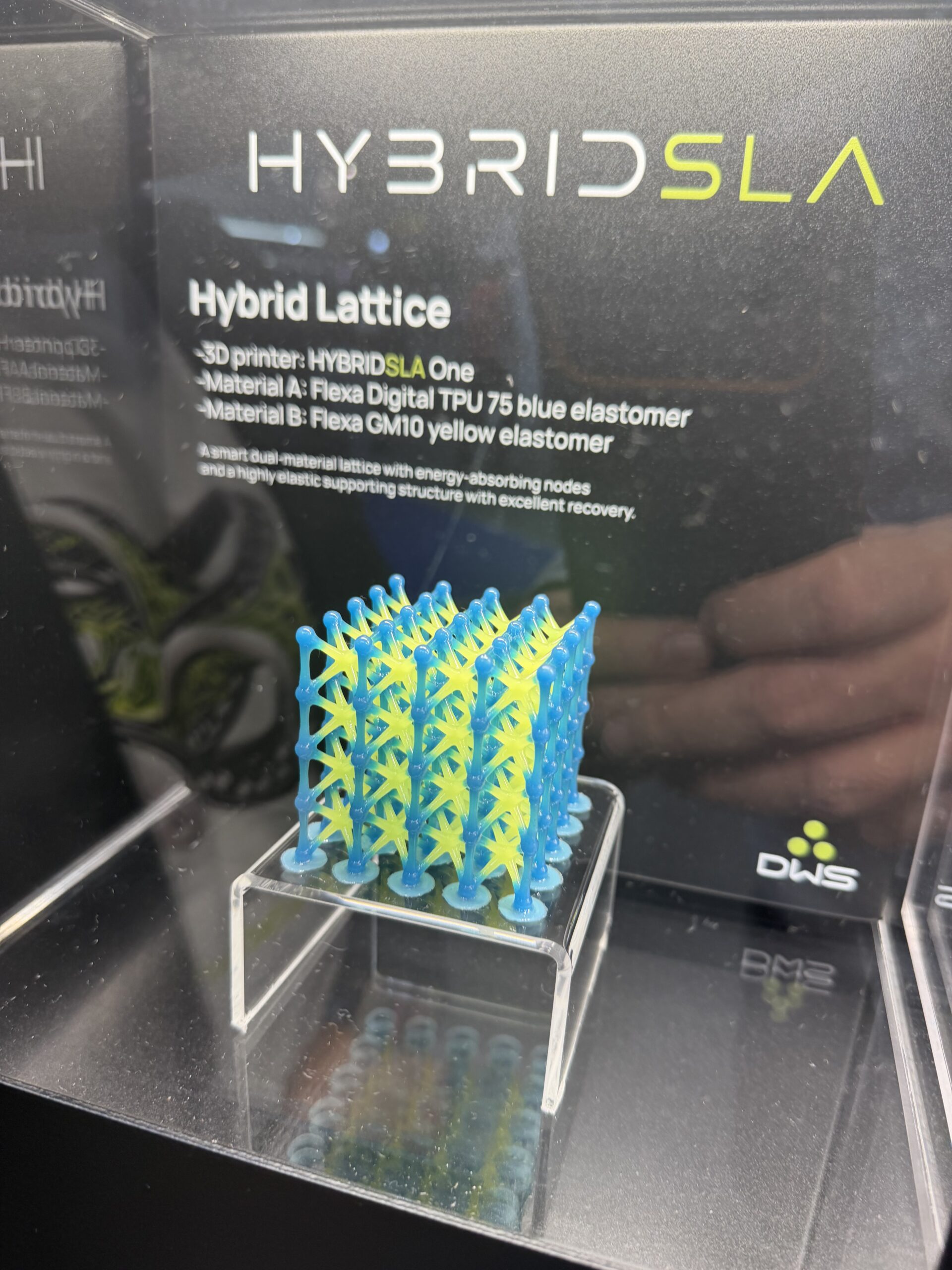
The best thing I saw today was DWS hybrid SLA technology. Essentially, it uses extruders to print onto a film, then moves it and uses a laser to illuminate a second material. This allows for a super-broad viscosity range for materials. It can print conductive and insulating materials on one part, mix color and material gradients at specific locations, process hard and soft materials, and make complex parts. It’s completely amazing.
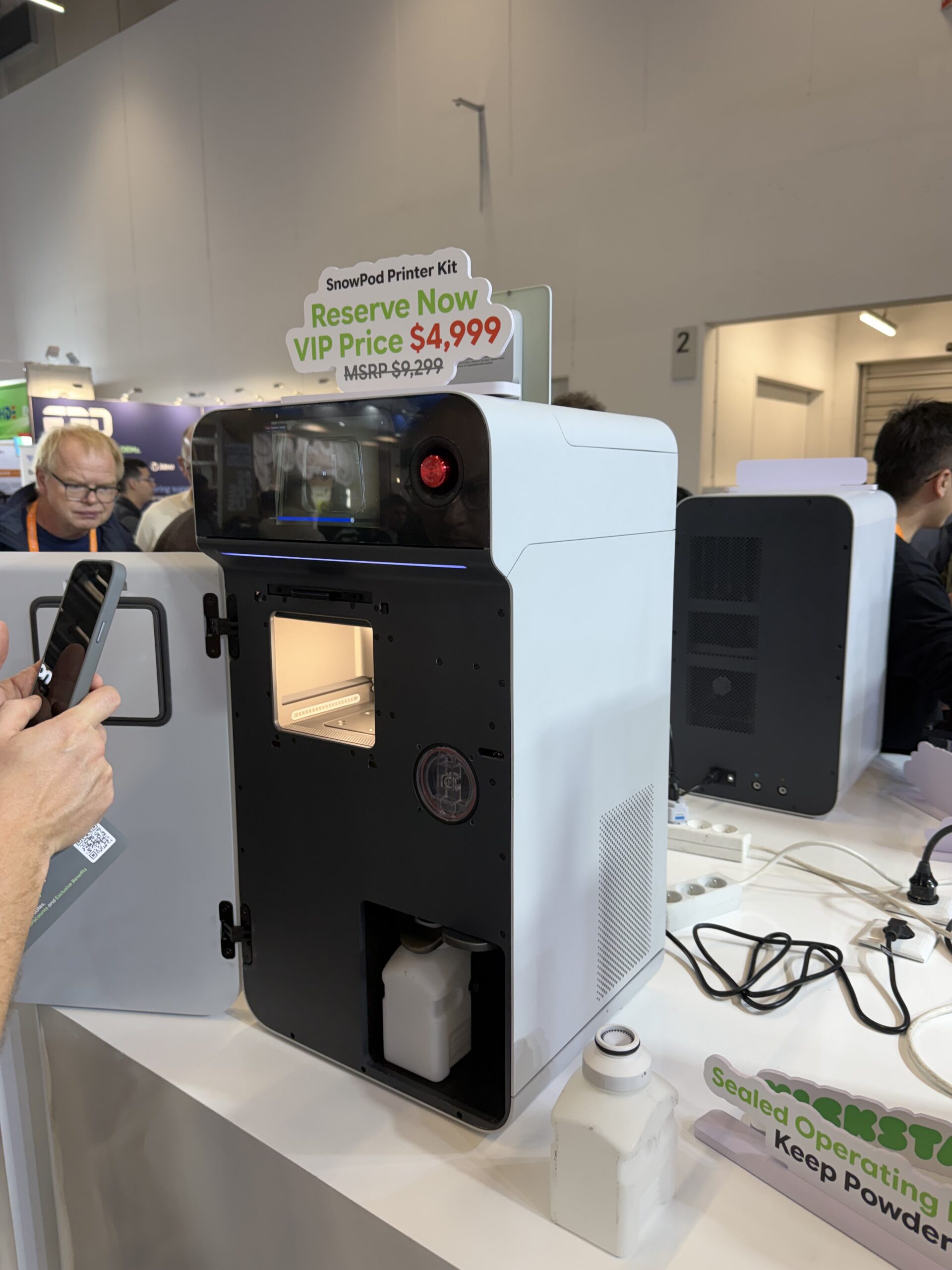
I’m really worried about SnowX. Whereas the MetalBase seems like a well-built machine that is designed to be safe, I’m a bit scared of the SnowPod. The seal around the chamber doesn’t seem adequate; it’s too stiff and not durable enough, and in my mind it won’t close properly if the door isn’t perfectly straight. And that is an issue because the door seems plastic. The latch on the door is also super simple and doesn’t look like it can hold it properly, nor can it really seal the door properly. I’ve seen much better latches on Barbie furniture. It feels flimsy, bendable, weak, and unstable. And it doesn’t look like it will seal properly. The tooling on it is slick; it looks good, and it has a lot of good sensors, filters, and things like that, but I feel like safety could be a concern.
Look, it’s not fun being a party pooper all the time. I don’t want to be the traffic warden for this industry. And I really believe in desktop LPBF. Indeed, we’ve encouraged this category, and we were the first to post about low-cost desktop metal. In 2024, we told companies to race to the bottom and make low-cost machines. Previously, in 2021, we did a roundup of low-cost metal systems in three articles, outlining the players then, and we said that we look at companies that “aim to make accessible metal printers that are easy to use in semi-factory environments. This is a considerable market, potentially taking metal 3D printing to the hundreds of thousands of workshops, factories, and engineering firms worldwide. This is the biggest opportunity you’ve never thought about.”
So we’re all about the $10,000 LPBF train. But even with steel, and even with the sensors, we’re talking about potentially dangerous events happening with powder, lasers, and more. So I’m much more cautious about the SnowPod now, even though I’m enthusiastic about the category. For the first time, we’re working hard here collectively to get stuff made. Not PowerPoint, not idle promises of new worlds, but actual stuff. And I don’t want to wake up and hear that someone was injured in a 3D printer fire.
Something like a soot fire when you open the chamber or in the filters is realistically possible. Dust explosions could also occur, but the amounts are low, so this is less likely, but still possible. You’d need 20–60 g/m³ spread throughout a room, which could mean about 500 grams across a small bedroom. It can happen, but soot igniting is much more likely. Soot needs next to nothing to ignite and can ignite with air alone. Using a normal vacuum cleaner is also a risk. Deflagration is not a common word; let’s keep it that way. With consumers and carpeted-floor folks, we should apply the precautionary principle much more than we do. Also, carpet and houses have a lot of static electricity. Also, I’m thinking Timmy, with his volcano papier-mâché skills notwithstanding, probably isn’t going to put on a Tyvek suit, gloves, and a respirator every single time. What a time to be alive, worrying about consumer health risks with $10,000 LPBF systems.