
In the current global economic context, which is being shaped primarily by national leaders trying out new forms of geopolitical leverage on a daily basis, advanced manufacturing partnerships between American and Japanese companies would seem to be a no-brainer. It’s a decent trade-off for both sides: the US gets to work with businesses that have experience at scale with manufacturing processes developed more recently than twenty years ago, while Japan gets access to various niche technologies (mostly defense-related) and the promise of easy access to the US market.
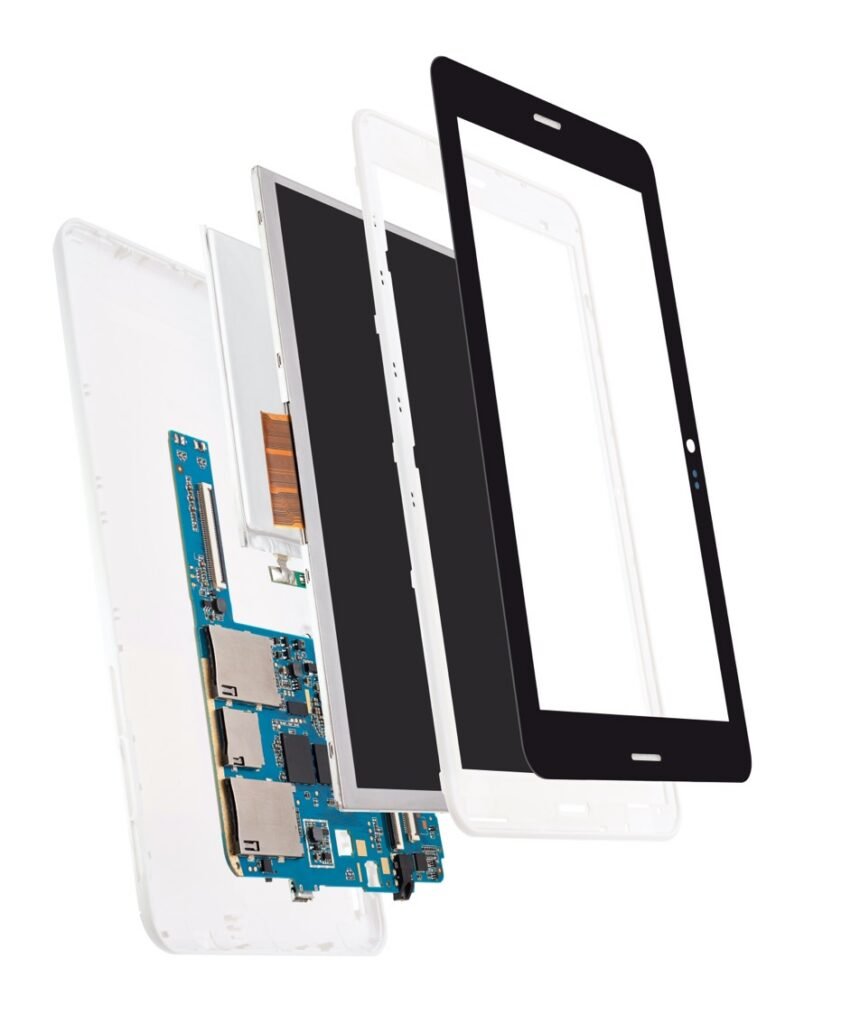
Electroninks, the Austin-based manufacturer of conductive inks used in 3D printed electronics, has built up a solid relationship with Japanese companies, and it has now expanded its foothold in Japan thanks to new work with existing collaborator SIIX Corporation, a leading Japanese Electronic Manufacturing Services (EMS) provider. Via the partnership, Electroninks and SIIX will work together on electromagnetic interference (EMI) shielding solutions.
In addition to distributing Electroninks’ materials and processes in Japan, SIIX is also bringing to the table “a specialized ultrasonic spray coating environment,” which can enable more flexible alternatives to traditional methods for producing EMI shielding enclosures, including the potential for conformal designs. The partners plan to target a growing number of industry-specific applications as their joint work expands, citing automotive as an early area of interest.
Notably, rather than developing a fixed, ‘one-size-fits-all’ solution, Electroninks and SIIX plan to work directly with customers on a case-by-case basis in terms of both production methods and material formulations. The idea is to engage in prototyping with each client that works toward higher volume once the preferred workflow has been established. Towards that same end, Electroninks notes that it has been refining its own spray-coating capabilities in-house.
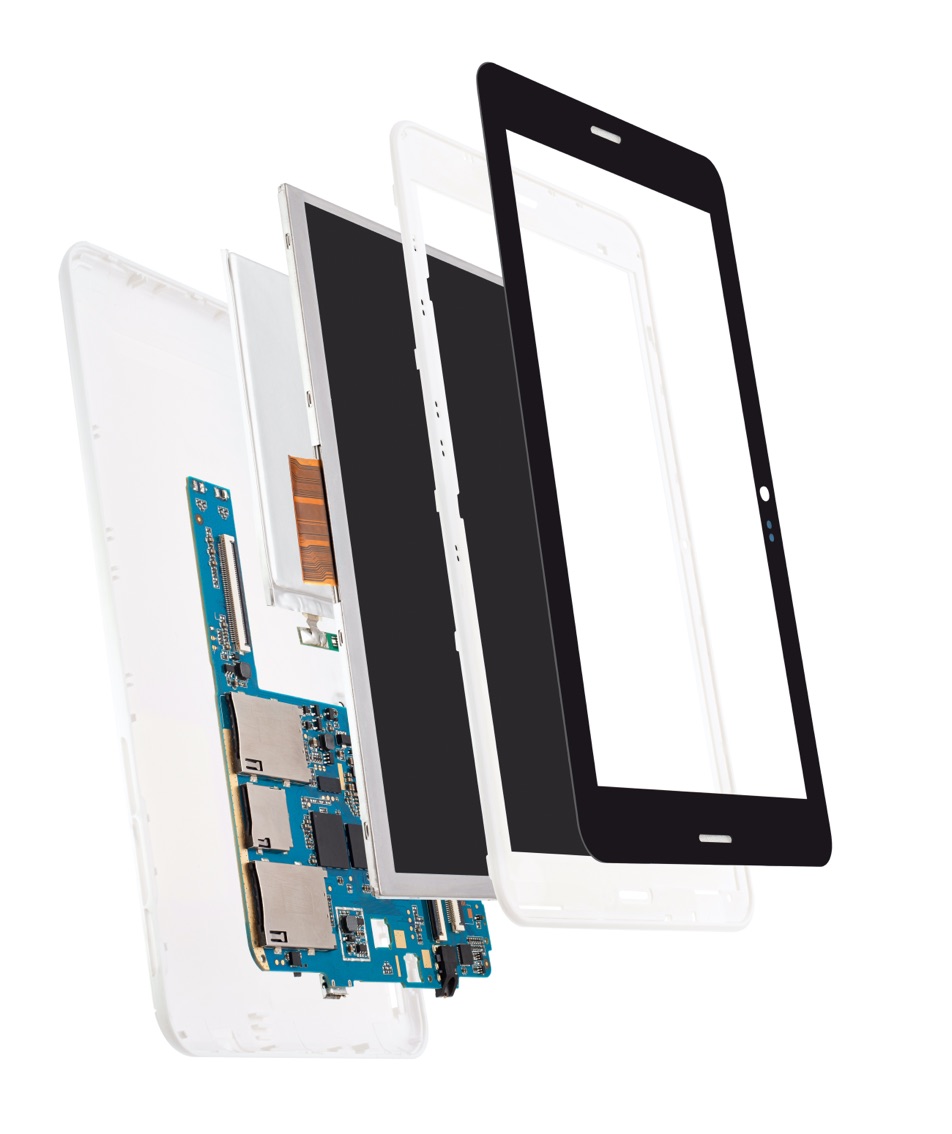
In a press release about Electroninks’ expanded partnership with SIIX Corporation, Takashi Mochizuki, director of sales and business development at Electroninks, said, “As electronics across automotive and many other industries become denser and operate at higher frequencies, EMI shielding is evolving from a component-level consideration into a system-level engineering challenge. This collaboration brings together advanced conductive materials, a specialized ultrasonic spray coating environment, and global manufacturing expertise so we can work directly with customers to establish coating processes suited to their products, from automotive electronics to a broad range of other applications.”
Electroninks has been pretty busy lately, having just announced yet another new Air Force contract, for on-demand PCB manufacturing, right before the SIIX announcement. Right before that, the company announced a deal to enter the Indian market.
Strategically, all of these deals make sense as a coherent whole. The Air Force application ties into what I said in the first paragraph about what’s most immediately driving heightened US-Japanese cooperation, while India is a more important market than ever for nations looking to diversify manufacturing out of China, including the US and Japan.
More broadly, everything Electroninks is doing ties into what I’ve written about as much as any other topic this year, the accelerating changes in the semiconductor capital equipment (semicap) market. One of the main themes I’ve focused on is how the line between semiconductor manufacturing services providers and semicap suppliers have started to blur, thanks largely to the rapid evolution of advanced chip packaging solutions like what Electroninks and SIIX deliver.
That theme is epitomized here by the partners’ decision to build each solution up to scale on a customer by customer basis, as opposed to developing a mass production solution right off the bat and then selling it off the shelf. This is precisely where the highest-value applications in the overall semiconductor sector seem to be emerging, and AM is right in the thick of it.
The trajectory is intensifying, moreover, with the news that just broke about a state-backed Chinese company beginning mass production of DUV machines, with planned deliveries to three Chinese semiconductor manufacturers as early as this year, and a goal to increase output from five machines to twenty by 2027. If China is genuinely starting to break its dependence on non-Chinese semicap OEMs, rather than simply working around that dependence, it would fully explain the seemingly inexplicable chaos characterizing global markets.
Images courtesy of Electroninks