
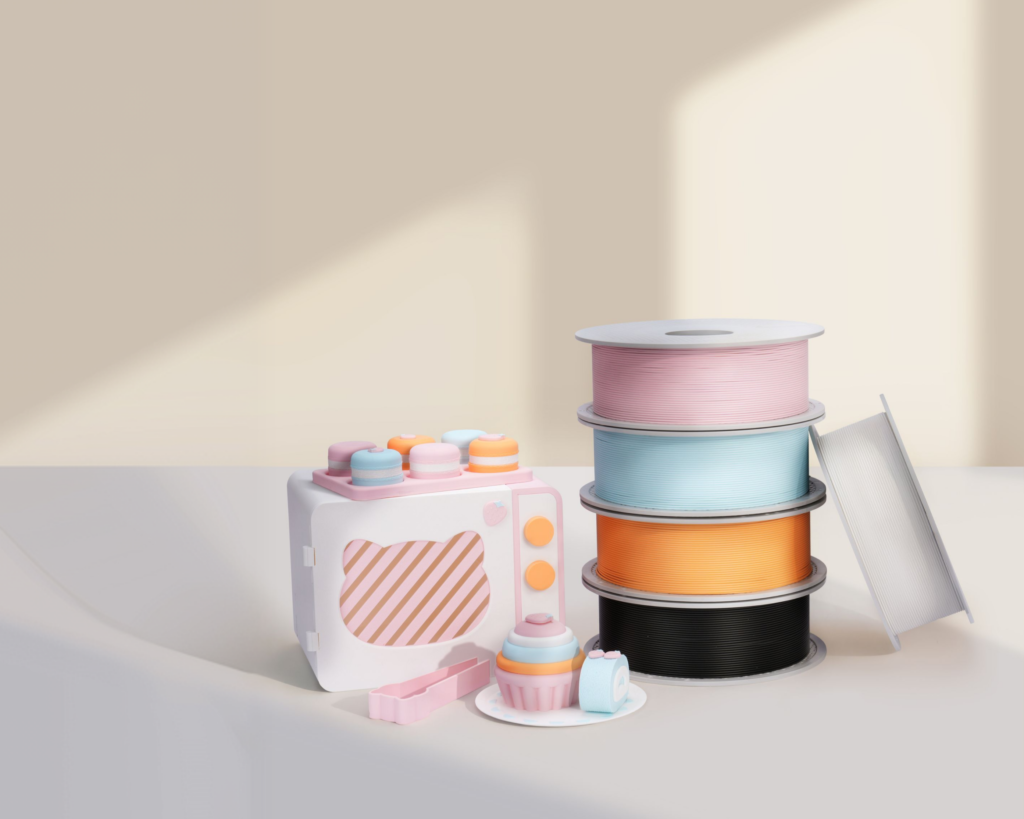
As desktop 3D printers become increasingly common in homes, Bambu Lab is focusing attention on something beyond print speed and hardware features. This week, the company launched a new filament, PLA Pure, but that’s only part of the story. What’s more interesting is that the launch isn’t really about filament at all. It’s about what happens when 3D printers become household appliances.
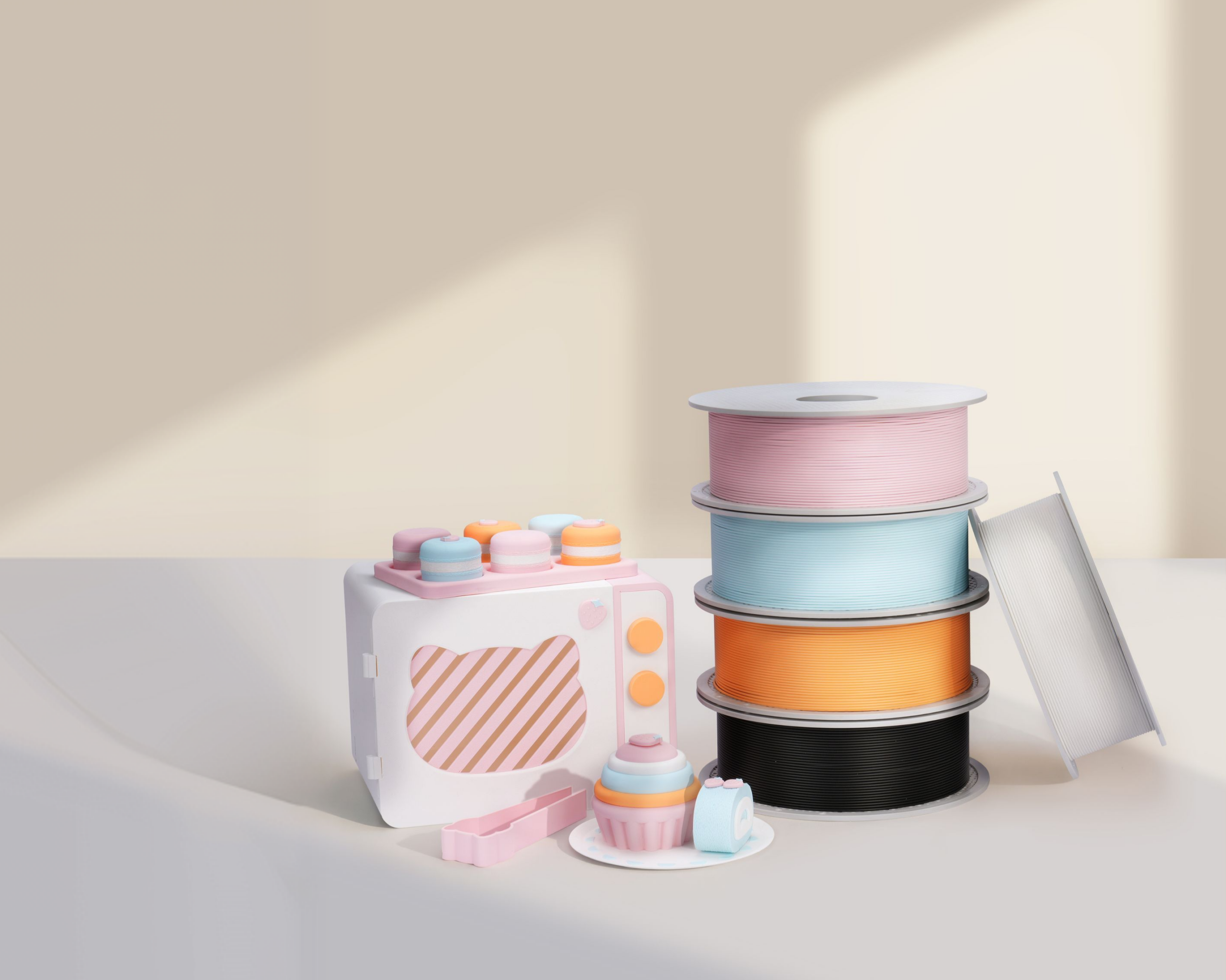
Bambu Lab’s PLA Pure.
As people begin printing in living rooms, kitchens, bedrooms, playrooms, and other areas of the home, questions about materials, emissions, and safety become harder to ignore.
The market is already crowded with PLA products promising better strength, smoother finishes, or easier printing. Bambu Lab’s latest announcement points to a different shift taking place in consumer 3D printing.
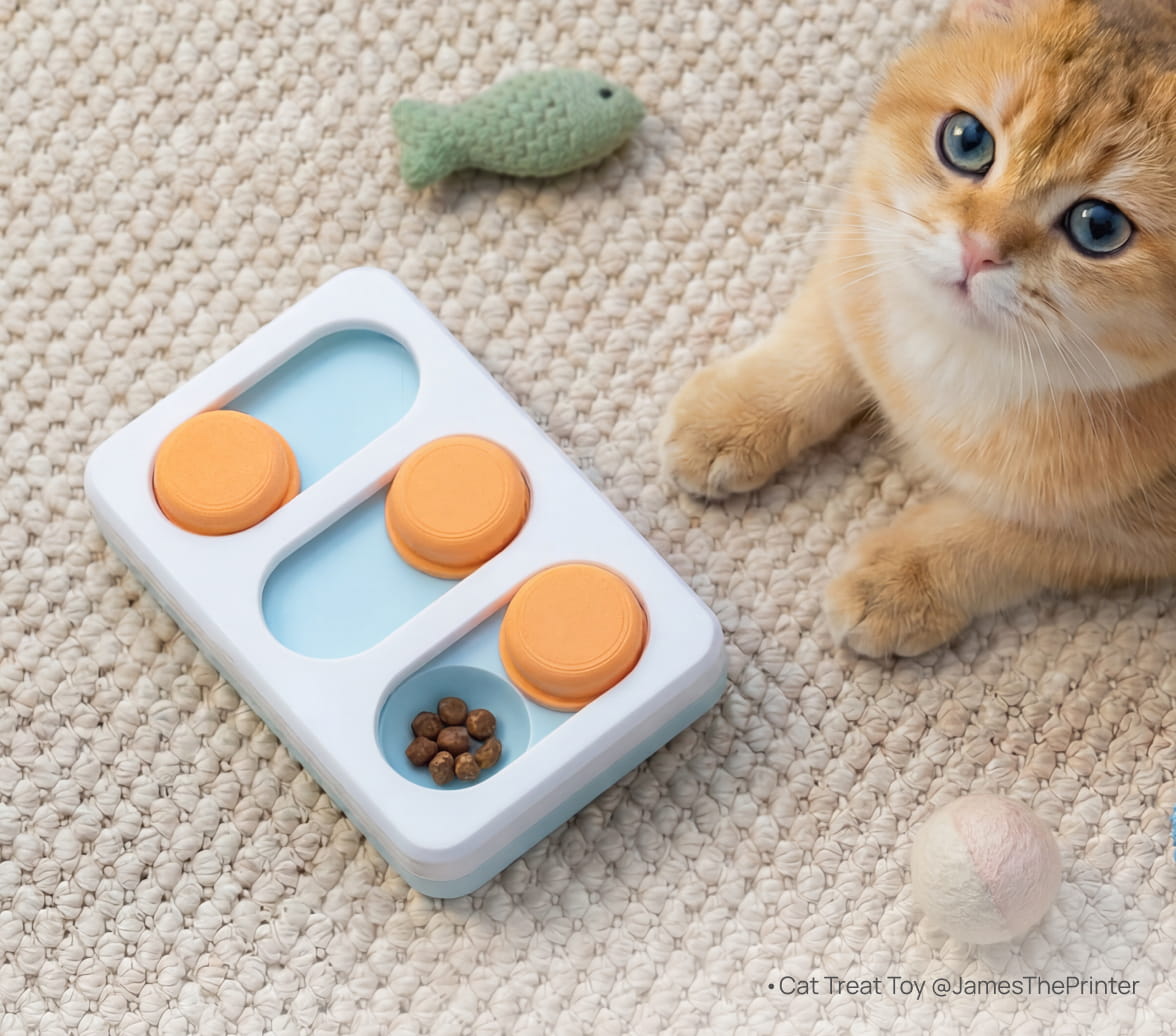
Cat treat toy by @JamesThePrinter.
The Home Is Becoming the New Workshop
Desktop 3D printers were once mostly used by hobbyists willing to accept noise, smells, failed prints, and constant tweaking. Today, that audience is growing, and many Bambu Lab printers end up in homes where families use them to make toys, school projects, and plenty of fun household items. So, as 3D printing moves into everyday living spaces, materials are becoming more important. Users want to know what is actually in the filament. What is released into the air while printing? Is it safe around children? Can it be used for toys?
Those questions were usually not part of the conversation, especially when desktop 3D printing was still a niche hobby. But with the technology becoming more mainstream, they are becoming much harder to ignore.
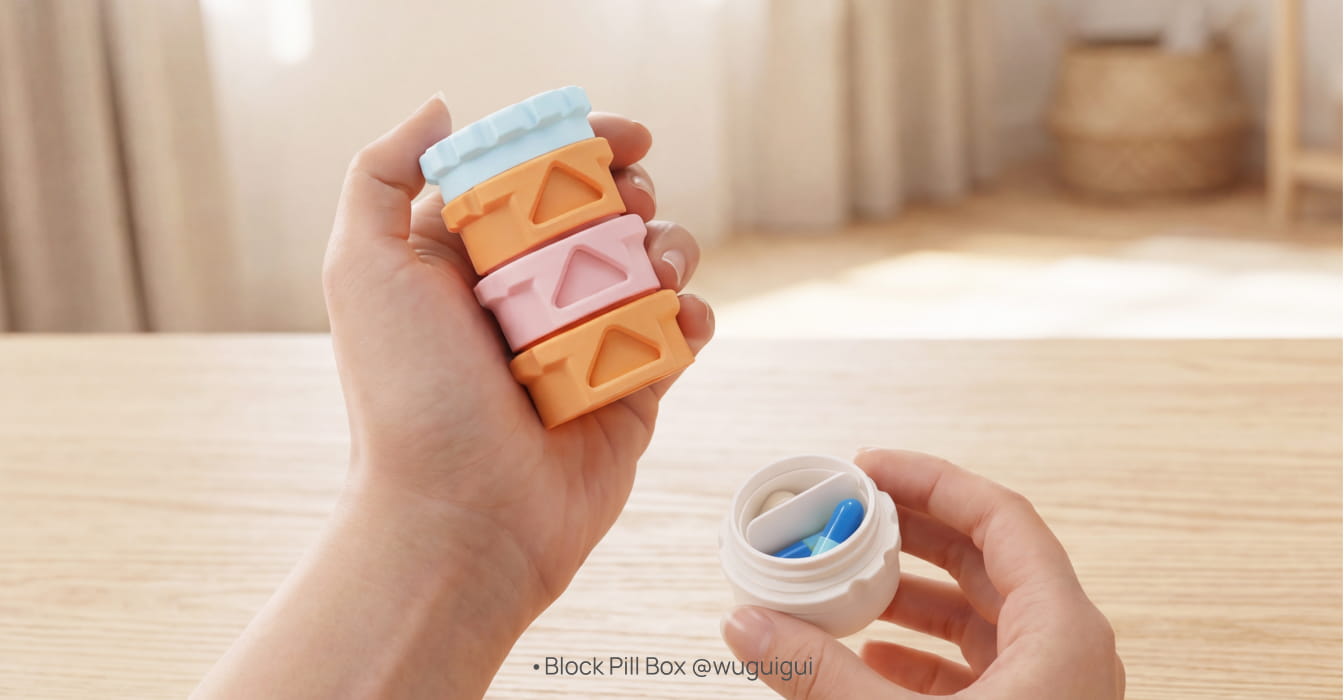
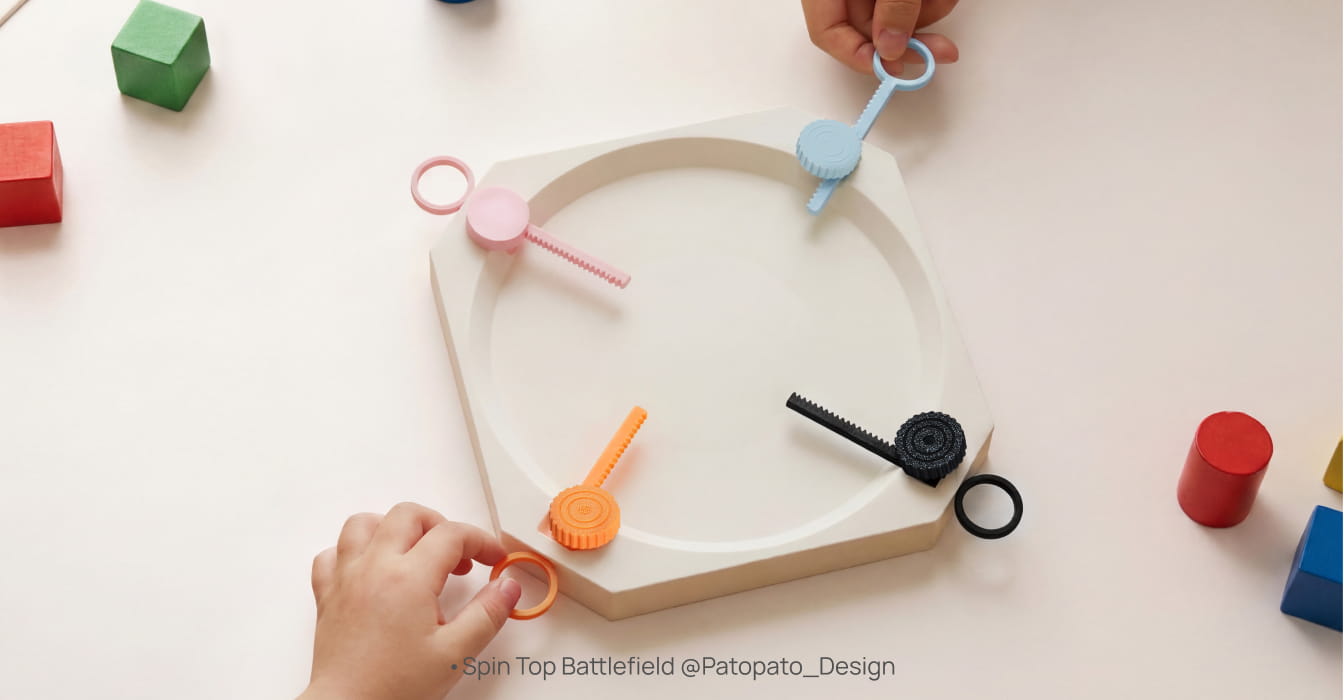
Most filament announcements sound the same, pointing to stronger, faster, smoother products. But Bambu Lab is taking a different route. With PLA Pure, the company is putting the spotlight on ingredients, emissions, and safety certifications. The filament contains just five ingredients: PLA derived from corn and sugarcane, an acrylic copolymer, color pigments, EBS (ethylene bis-stearamide), and talc. According to Bambu Lab, every ingredient complies with EU 10/2011, the European regulation governing plastics intended for food contact, and appears on the regulation’s positive list of approved substances.
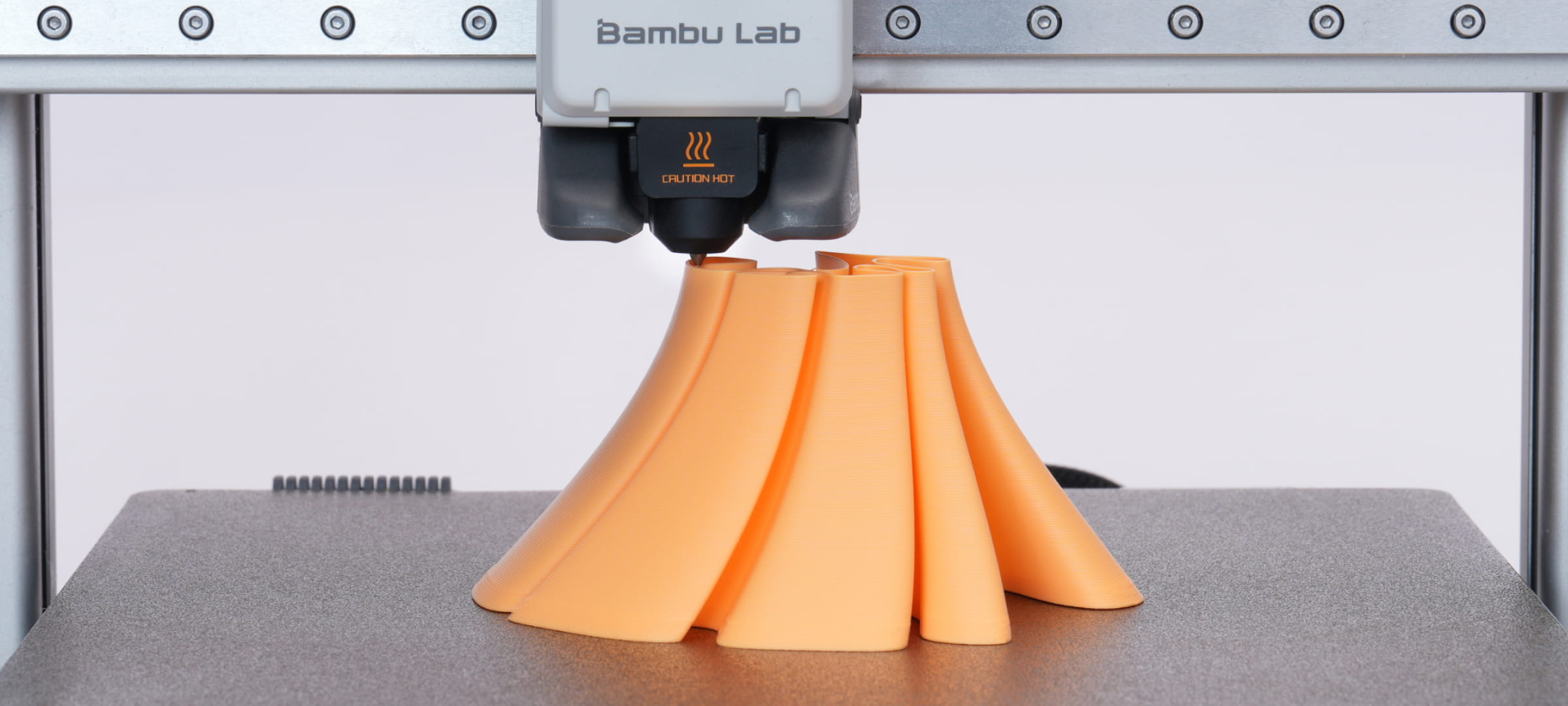
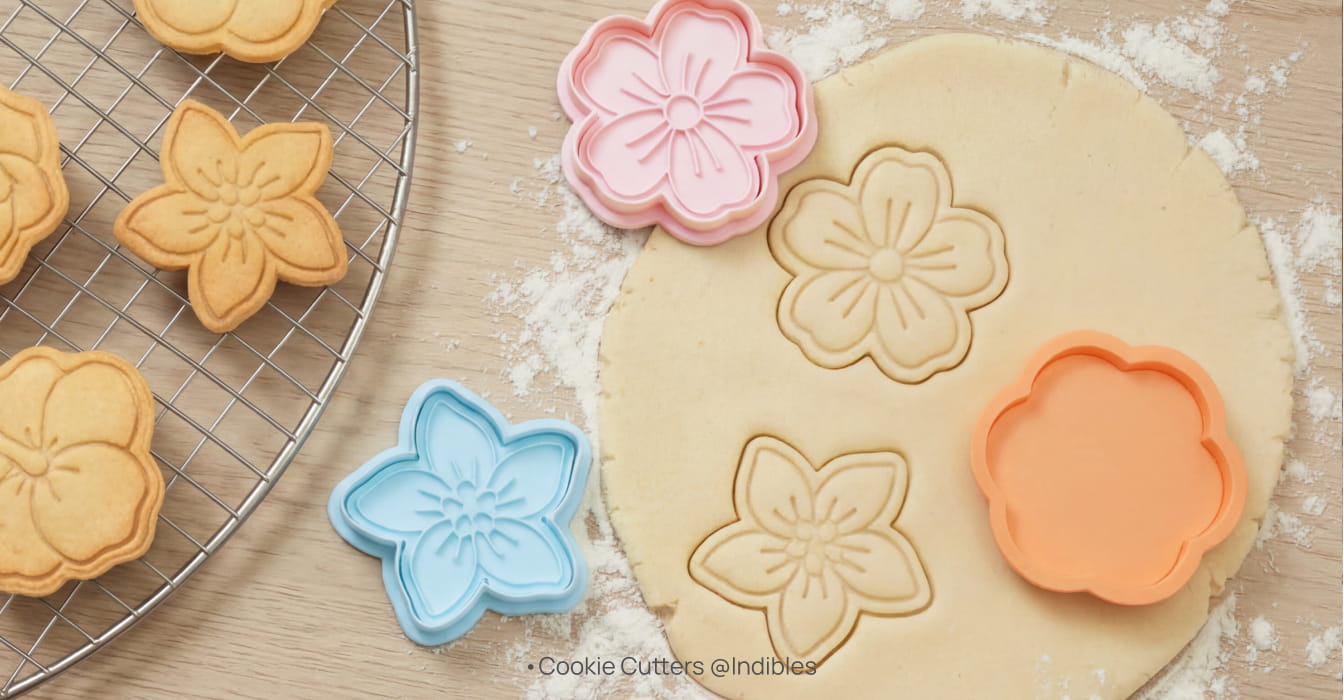
Bambu Lab prints with PLA Pure.
All of these raw materials can be traced back to major global suppliers TotalEnergies, Corbion, Dow, Chemours, and BASF, making the ingredients fully traceable. PLA Pure has also been certified for low emissions and tested against European toy safety standards, underscoring Bambu Lab’s focus on home environments rather than industrial workshops.
According to Bambu Lab, the material was designed to offer the same ease of use and performance users already expect from PLA, while providing greater transparency about what is actually on the spool. And while that may sound like an unusual selling point for a spool of plastic, the brand is sure that consumers are becoming just as interested in what’s inside the filament as they are in how well it prints.
Interestingly, Bambu Lab is not charging a hefty premium for the material. PLA Pure costs $24.99 with a spool and $21.99 as a refill, roughly what users would expect to pay for a quality PLA filament today.
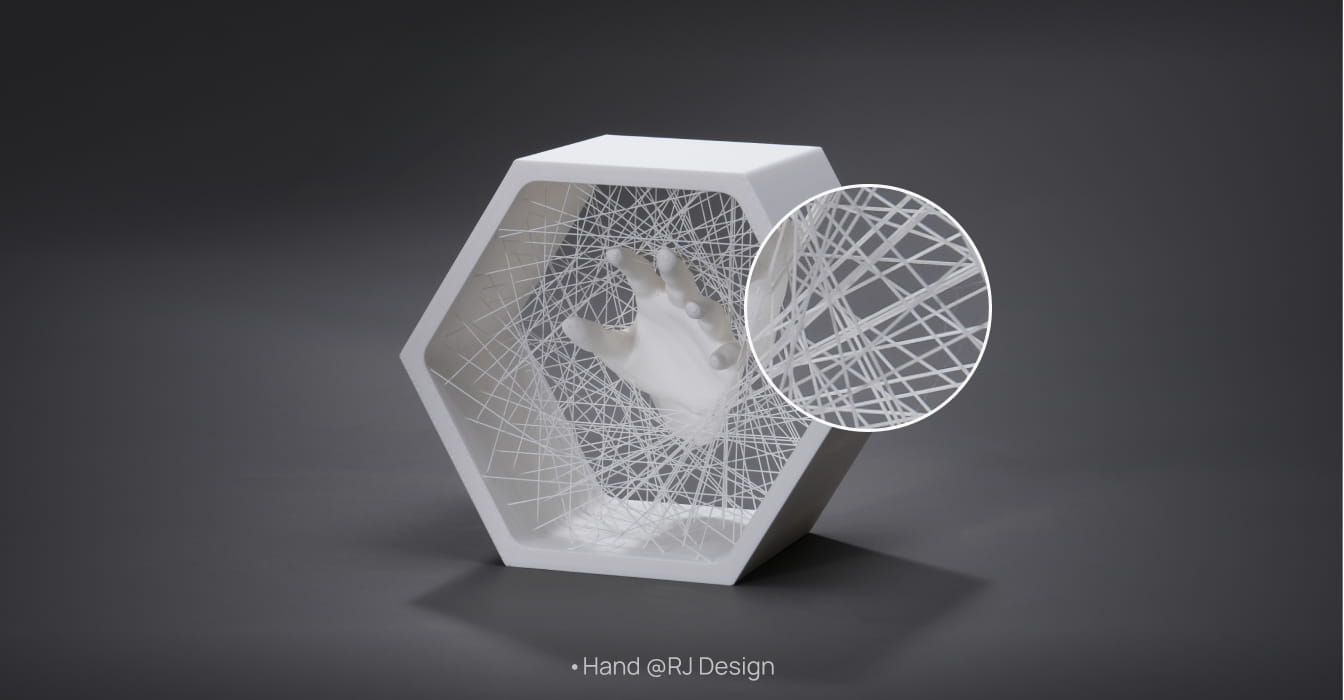
Hand sculpture by @RJ Design.
The Next Battle Is Not the Printer
In many ways, PLA Pure feels like a sign that desktop 3D printing is growing up. And Bambu Lab played a major role in that transformation. Will the company now look beyond the printer itself? Will its next competitive battleground be materials?
If desktop 3D printing is set to become a normal household activity, consumers will expect the same kinds of assurances they already receive from products used around food and children. If so, then the future of desktop 3D printing will be judged not only by what printers can make, but also by how comfortable people feel using them at home.
Images courtesy of Bambu Lab