
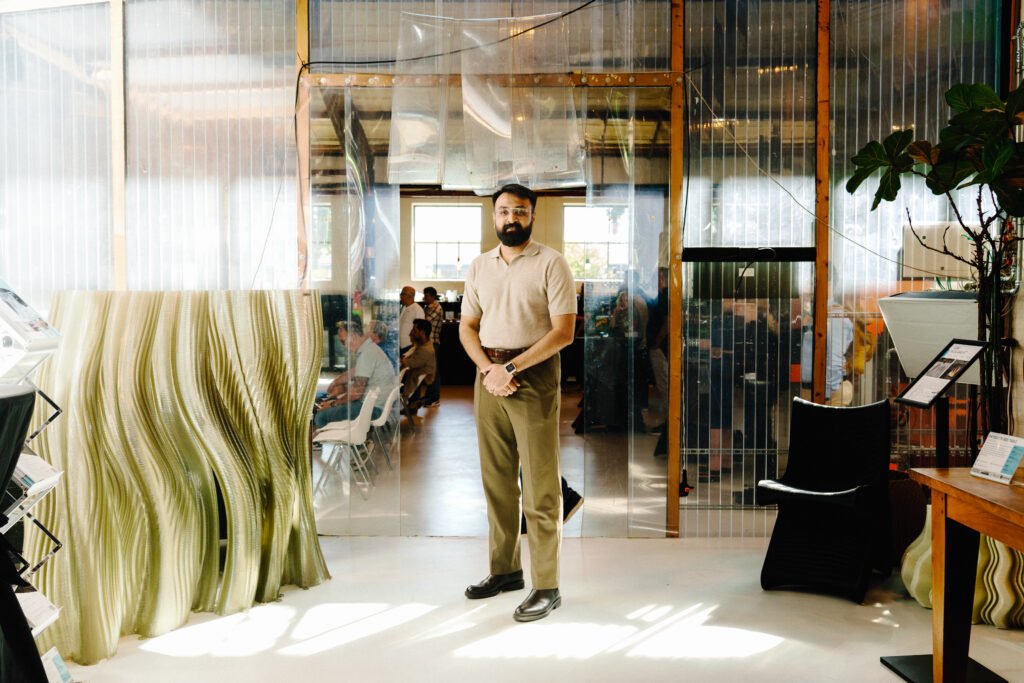
Amsterdam-based Addidex is focused on robotic large-format additive manufacturing, and recently held a two-day symposium that was only about robots printing things. Addidex Connect brought 170 additive folks to the 3D Makers Zone in Haarlem, the Netherlands. The event is probably a miss for many in the additive community, but if you’re working in large-format DED or material extrusion, the small show is a crucial one on your calendar. We like such focused shows, and think that this approach is much more viable than a national show that tries to mix together very different technologies, customer groups, and sellers. Diverse events are hard to sustain, while specialized ones, if you’re frugal, provide a lot of value.
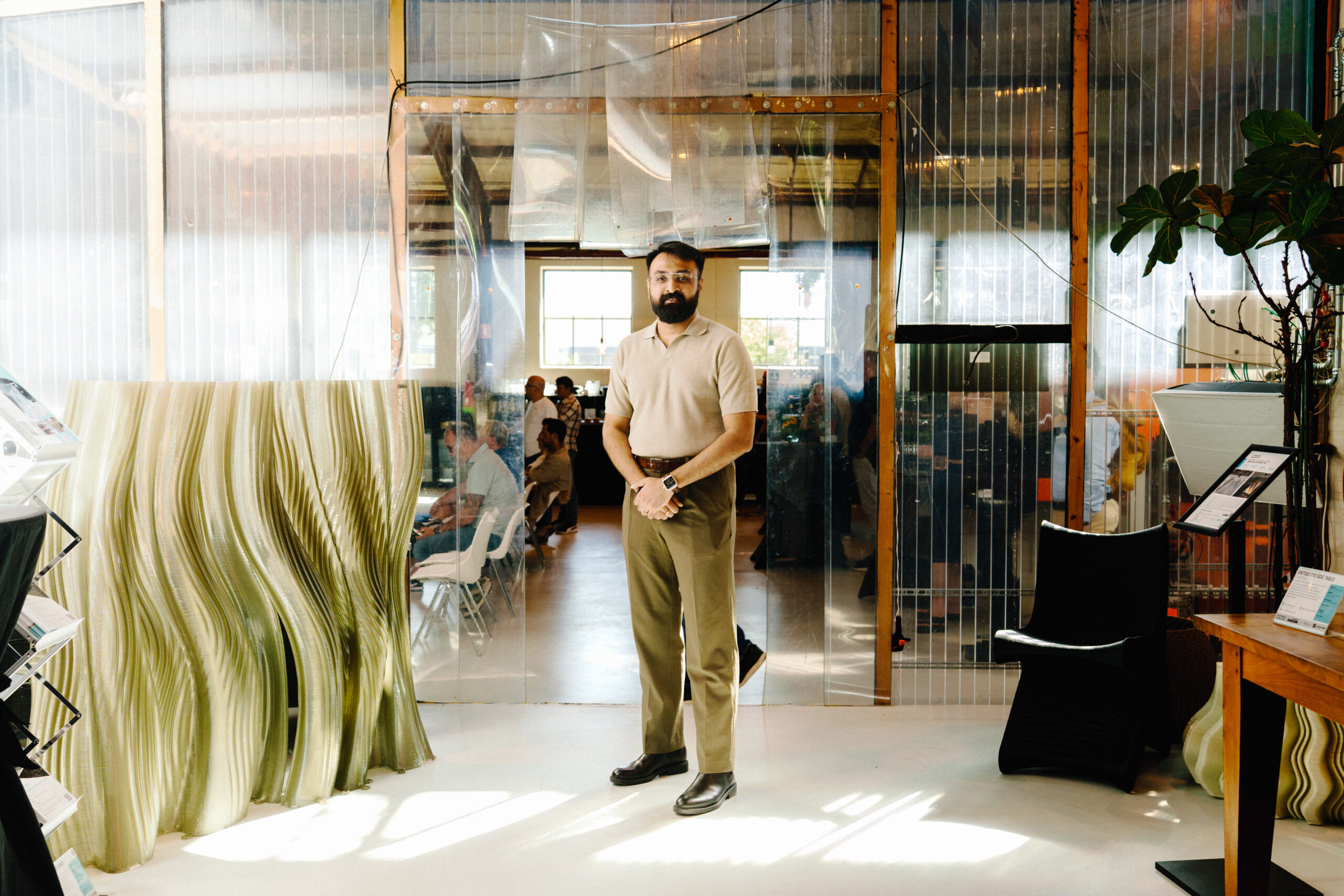
The show was for systems integrators who come from the robotics world, as well as customers, software firms, engineers, and everyone else in this vertical. The show wants to be a very practical one based around collective problem solving. Subjects included exploring “the relationship between design and toolpath logic (including multi-axis and non-planar strategies), material behaviour at scale, adaptive fabrication, software workflows, circular feedstocks—such as bio-based polymers and recycled marine plastics—process control, and the transition from prototypes to reliable production.” Given the different behaviors of parts, designs, and machines when you go big, this kind of thing is more important than at other scales, especially in materials and toolpathing.
Conference founder Michael John Sweers said, “Robotic 3D printing has no shortage of talent or ambition. What it needs is more connection between the people shaping it. Too often, valuable knowledge stays within one discipline, one machine or one company. These two days showed what becomes possible when people speak openly about both what works and what still does not.”
The show was at the 3D Makers Zone, which is a collective space for several firms to work together and already houses a number of robot printing companies. There were speakers from Nagami, Noumena, Caracol, TU Delft, and more. The show is unabashedly technical and aims to foster collaboration. Companies such as MX3D, CEAD, and More Than Layers supported the event. The next installment is already planned for the 22nd and 23rd of July, 2027.
We reached out to Sweers to learn more. He told 3DPrint.com,
“What surprised me most was the willingness to share. We had direct competitors in the same room, yet the spirit was genuinely collaborative. There was a shared understanding that this industry will only move forward if we do it together. All these individual specialists, the so-called lonely wolves, became a pack for two days. I already believed there was room for a dedicated event in such a niche field, but this edition proved it. Robotic additive manufacturing is a growing part of the wider AM industry, and there is a real appetite for a place where practitioners can speak openly, connect directly and build trust.”
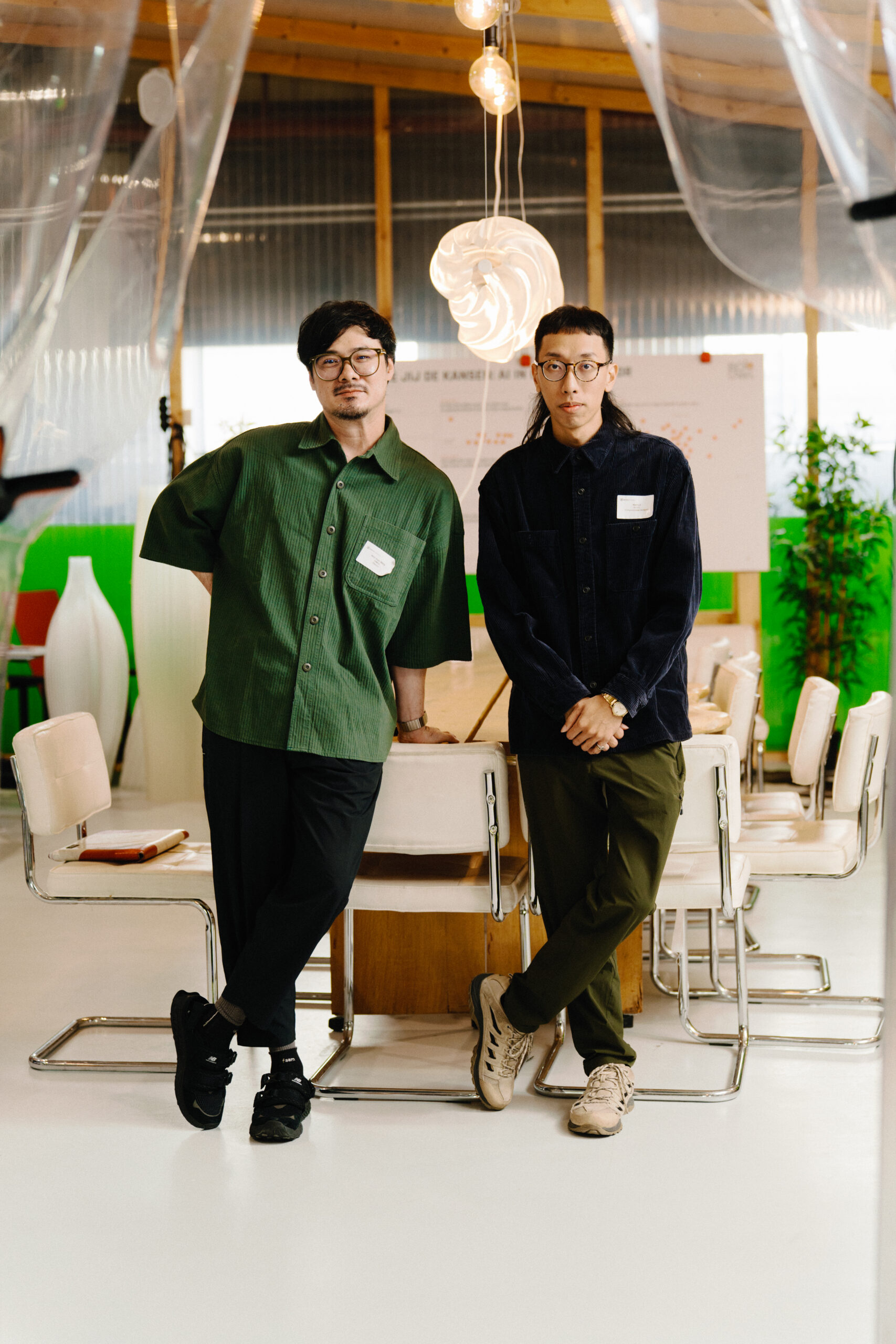
Given the success of the event this year, what does he expect for next year?
“Next year, I expect even more practitioners to get involved, but I also want the event to become more hands-on. I see dedicated stages for concrete, metal and plastics, alongside workshops where people can work directly on the integrations and problems they have been discussing. The knowledge is there. The willingness is there. So why not build things together on the spot? Imagine connecting Animaquina with ABB during the event, testing it, breaking it, improving it and learning from it together. Less talking about what could be possible; more making it happen. That is what I want Addidex Connect to become: the ultimate practitioners’ event.”
I love this so much, and I love the pictures by Canelita Estudio as well. The character of this event is very different than many others. None of the colorful desktop displays, but also none of the DMLS formality either. And by hosting it not in a hotel, but in a working collective lab where people make things, it will have a very different character as well. I really believe that frugal, well-appointed, specific events that cater well to a specific user group have a bright future. A kind of academic conference that’s not just about papers, but also about the concrete floor. And sure the commercial players are there, but it’s focused on sharing and solving problems. I really think that this is a great initiative, and hope to be able to make it next year.