
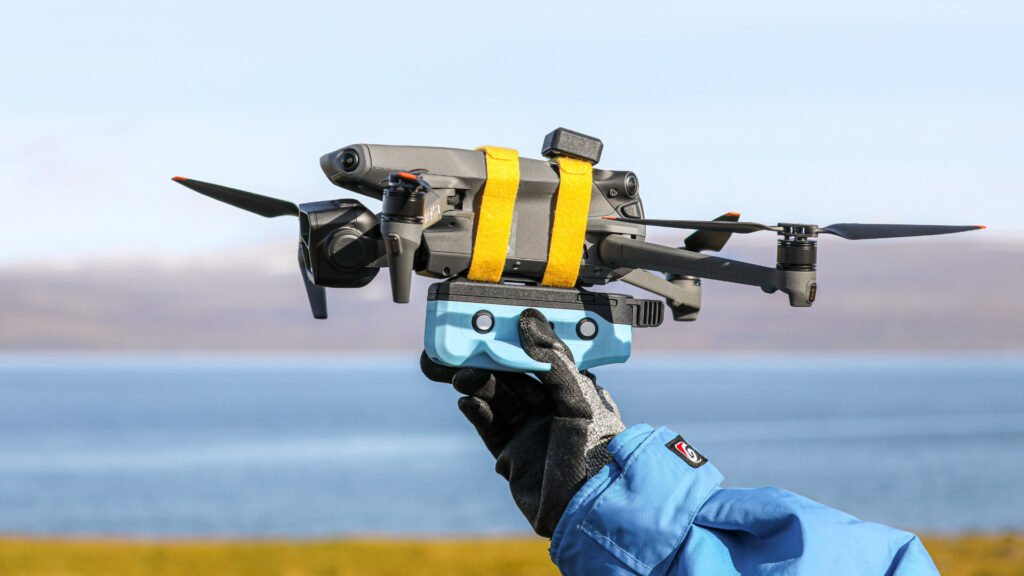
Bambu Lab has helped Tandem Ventures develop the WHASER, a 3D printed attachment for a drone that can measure whales. This seems like a nifty tool for researchers. It is also a powerful example of drone-based 3D printing add-ons. We can expect many people in the future to use 3D printing to make assemblies that help drones to wash windows, measure pollution, measure noise, and more. Drones can be low-cost, convenient for measuring, repairing, and maintaining the world. And a lot of these drones can be, at least in part, printed. But the attachments for these are definitely going to have a lot of 3D printed parts. They will be custom, complex assemblies at low volume that benefit from weight savings, an ideal case for 3D printing.
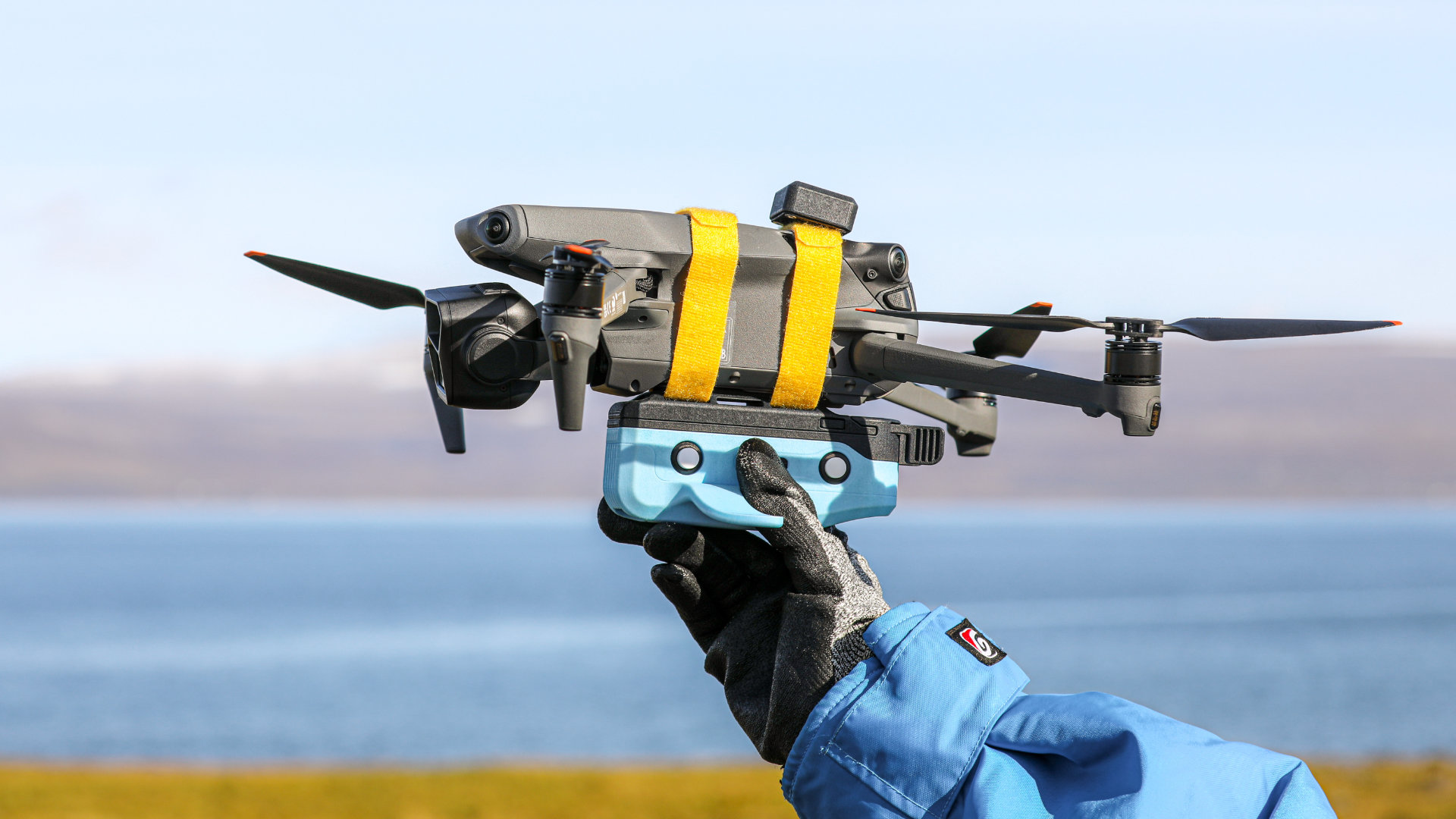
3D printed WHASER, a drone attachment to measure whales.
WHASER is an Inertial Measurement Unit, GPS, and LiDAR assembly that can be flown above drones. Rather elegantly, it stitches together mapping data, GPS location data, and infrared to measure whales while the LiDAR gauges the right altitude. It’s super ingenious, really. The tool has so far been used to measure 115 Atlantic humpback whales. The researchers wanted to measure these whales to gauge their health, especially if entanglement with fishing nets could make them weak. Only an FPV (first-person-view) flown from a nearby coast or ship could let them see the whole whale from above, cost-effectively.
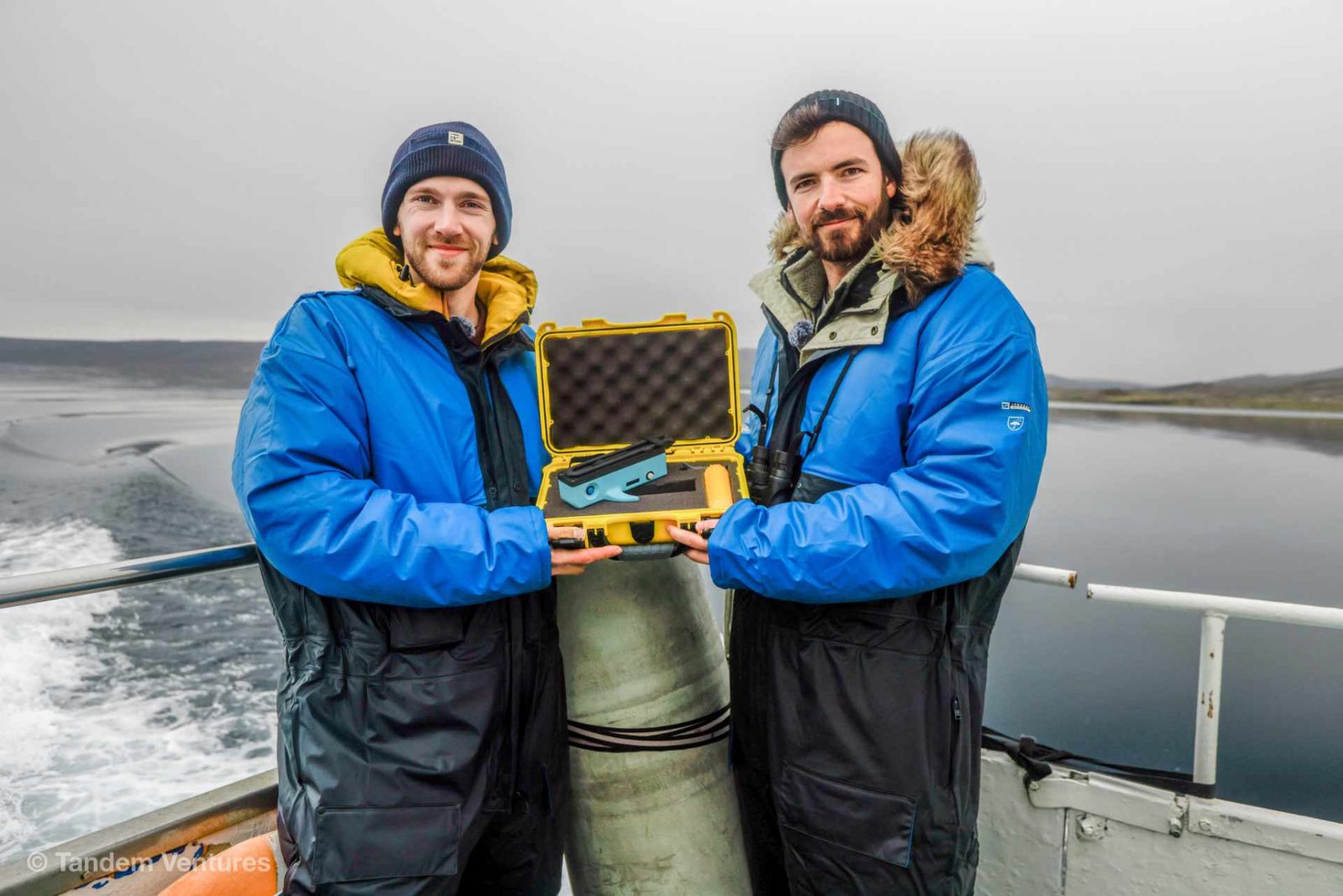
Researchers test the WHASER, a drone attachment to measure whales.
I love this idea because you can use it as a model to measure a lot of things, such as trees in a forest, oil spills, or algal blooms in the ocean. A clunky prototype was turned into a smaller 3D printed enclosure for the Arduino ESP32 Nano microcontroller, a smaller LiDAR sensor, a GPS module, an IMU, a microSD reader, a USB-C rechargeable battery, and an OLED display showing real-time battery level, LiDAR readings, memory card status, and GPS signal strength. Lighter and sleeker several iterations were tested of the housing and the mounting assembly. After the initial version was tested in Iceland’s Westfjords, other researchers expressed interest.
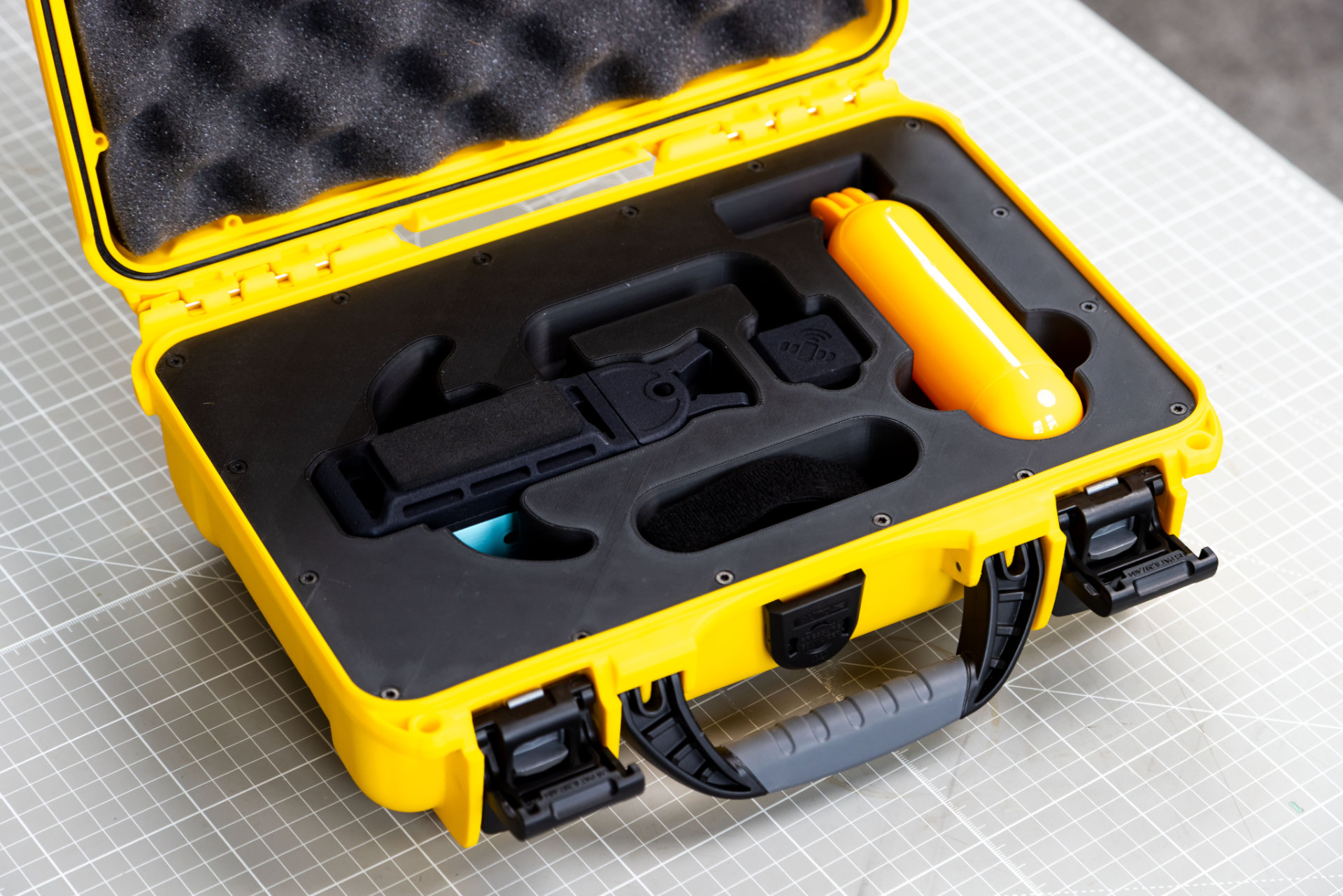
The team redesigned the WHASER once again to increase battery life, weather-seal it better, and make it easier to ship. A custom hard case was made to make it easier to set up while protecting it shipboard or during transport. I love this device because it has so much potential for studying marine life. I’m sure that someone will also use a similar device to find fish and fish them better than you can with current radar solutions, which will be quite counterproductive, perhaps for the whales and the fish. But generally, this should be a boon for researchers.
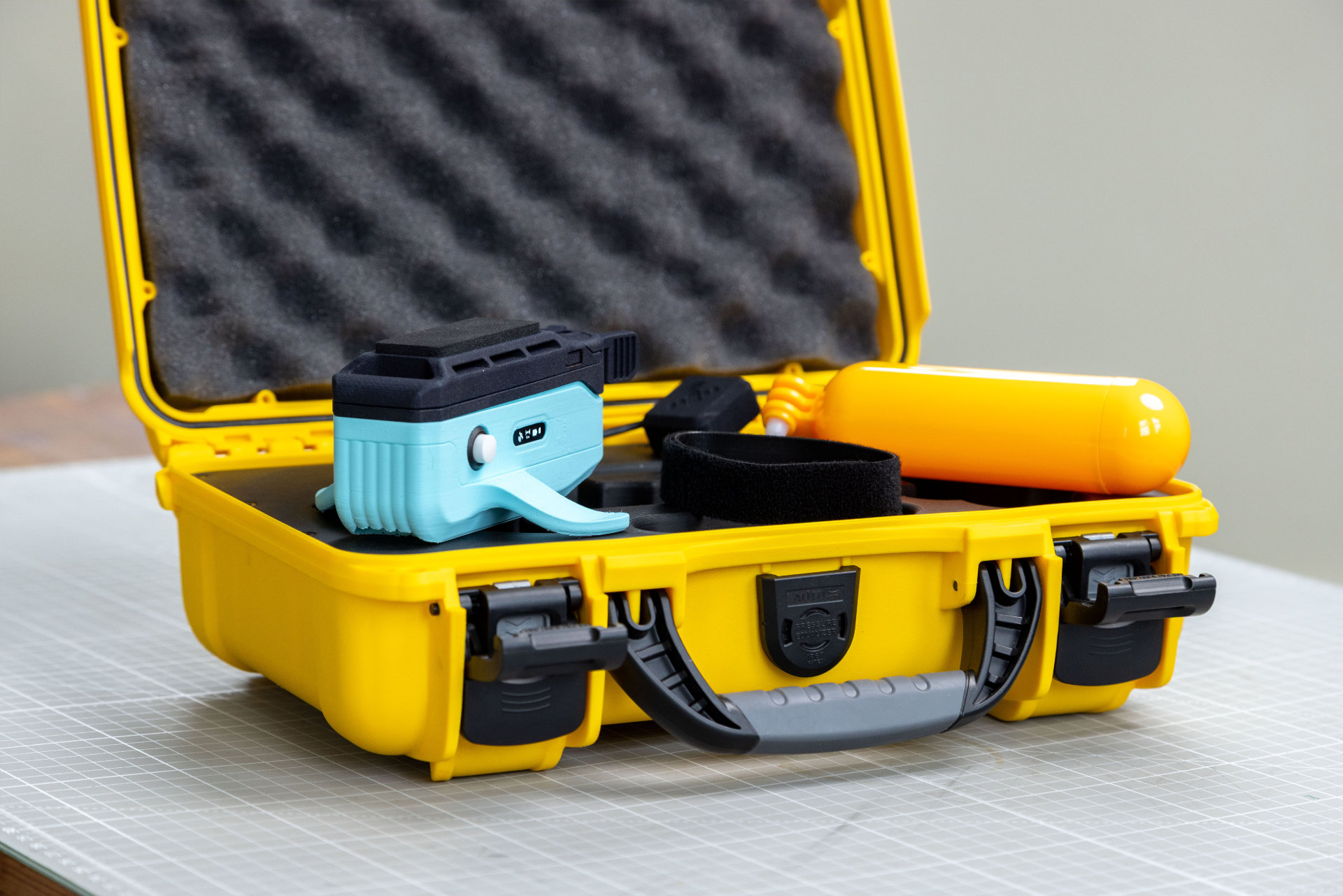
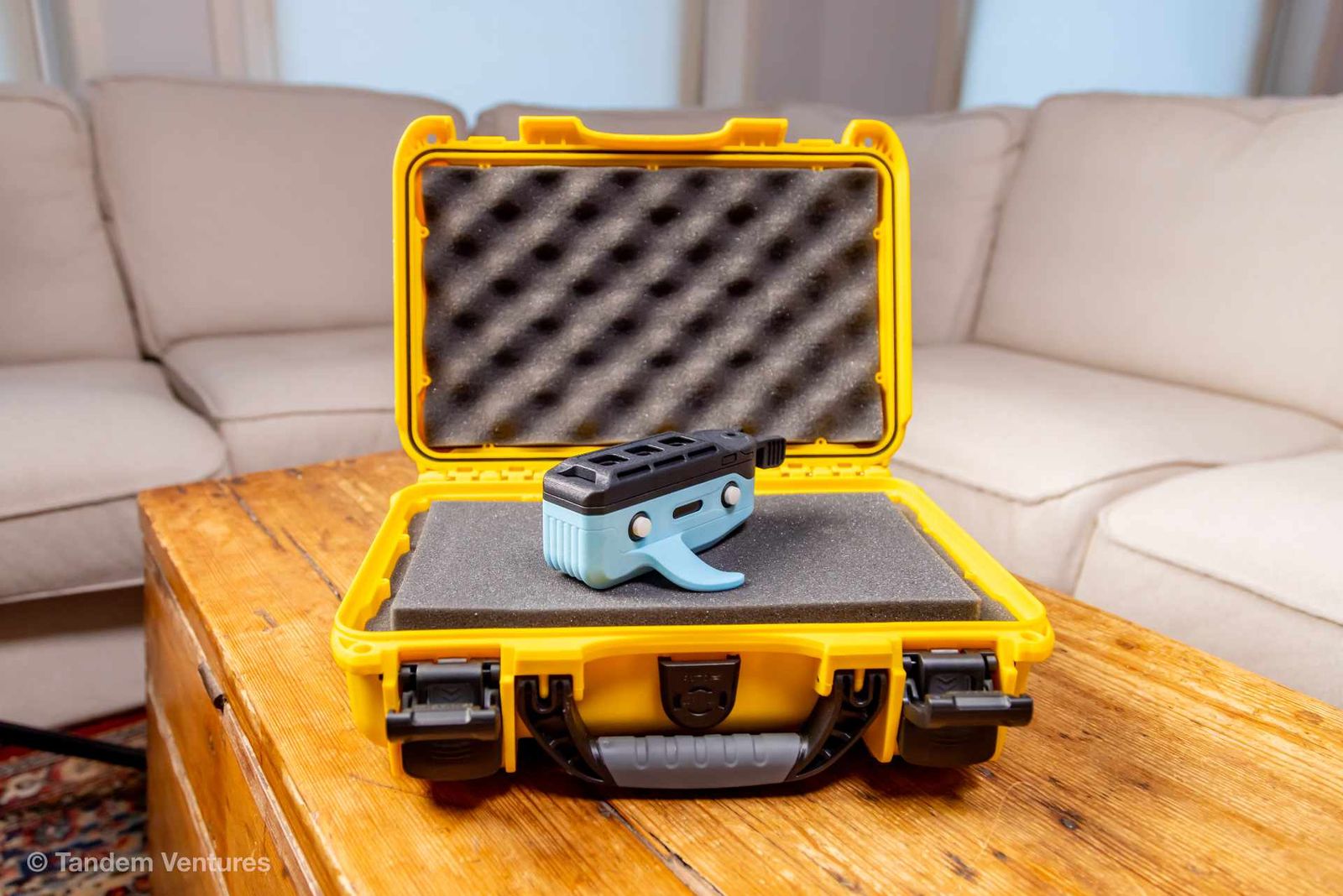
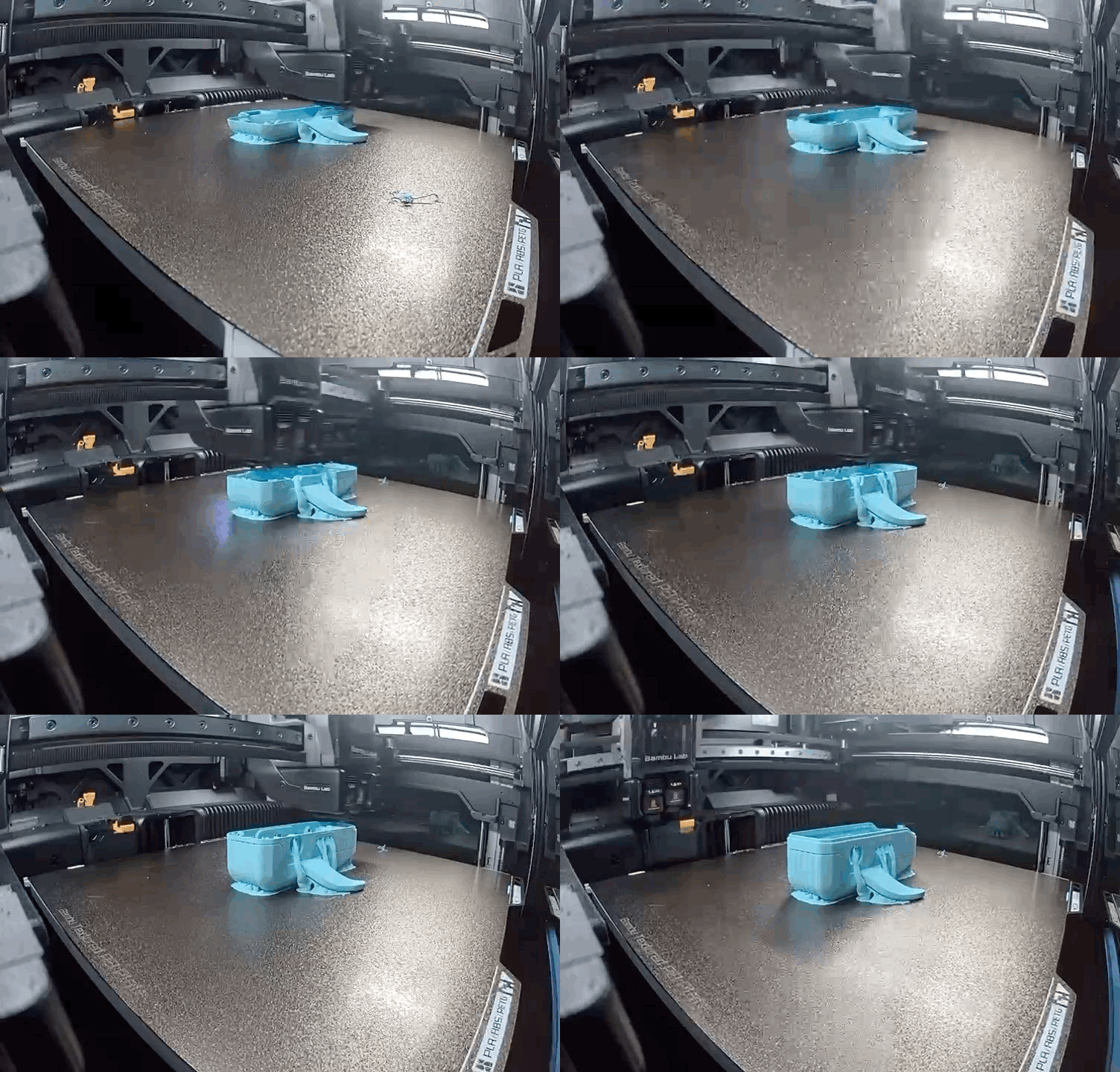
I think that this is marketing done right. You’re showing off a relatively new application with a lot of potential. Complex assemblies and drones are a match made in heaven. And by seeing a drone as a platform for more than just pictures, people can start dreaming of many more businesses. Drone window washing and drone gutter cleaning are among my favorite drone-based business ideas. And these will need custom 3D printed devices to work well. But think of measuring building insulation, water temperatures, wetland health, river depth, and more. Imagine using tools to measure how dry a forest is or where forest fires are likely to spread next, or using a machine vision counter to count trees or animals in a given area? There could be a lot more done with 3D printing and drones, and this shows us what is possible.
Images courtesy of Tandem Ventures/Bambu Lab