
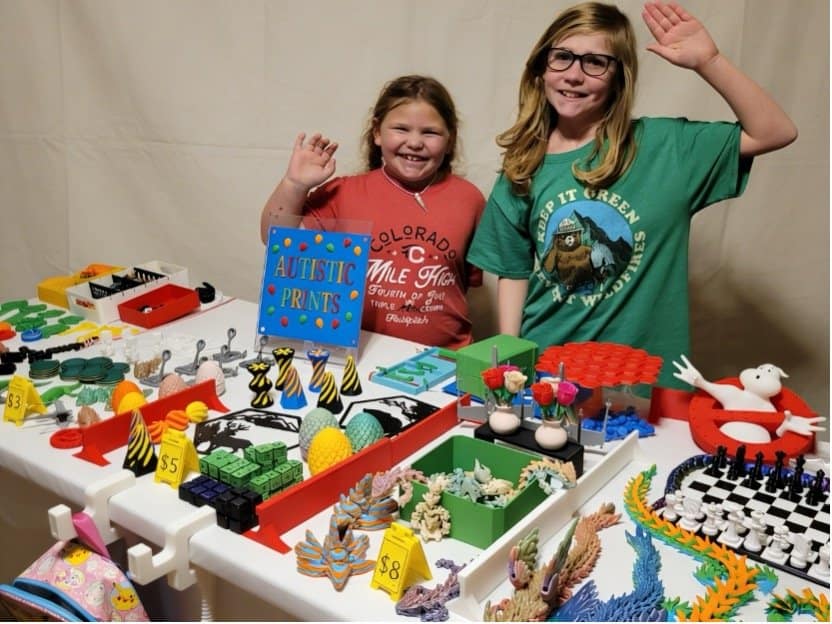
Some children discover the world early. Others discover how to reshape it.
Across communities, a growing number of young creators are using technology not just to develop skills or earn money, but also to support families, care for friends, and address real emotional needs. This shift from making for profit to making for meaning is at the center of When Young Minds Create, a youth-focused maker program supported by Creality.
Positioned as a community‑centric youth movement rather than a traditional education or business program, the initiative encourages children to treat creativity as a form of responsibility, empathy, and social contribution. Technology is a tool, and human impact is the goal.
Within weeks of launch, the program attracted nearly 200 young participants worldwide. While their projects varied widely, a common pattern quickly emerged: most were designed with specific people and needs in mind. Through in-depth conversations with more than 40 young makers, the program revealed how creativity is shaping people’s real lives.
Many participants have already taken their work beyond their homes, setting up booths at local markets, sharing creations with classmates, and offering customized designs within their communities. In these settings, technology becomes a means of connection and expression rather than an end in itself.
Ealan and Taleah: Learning Responsibility Through Making
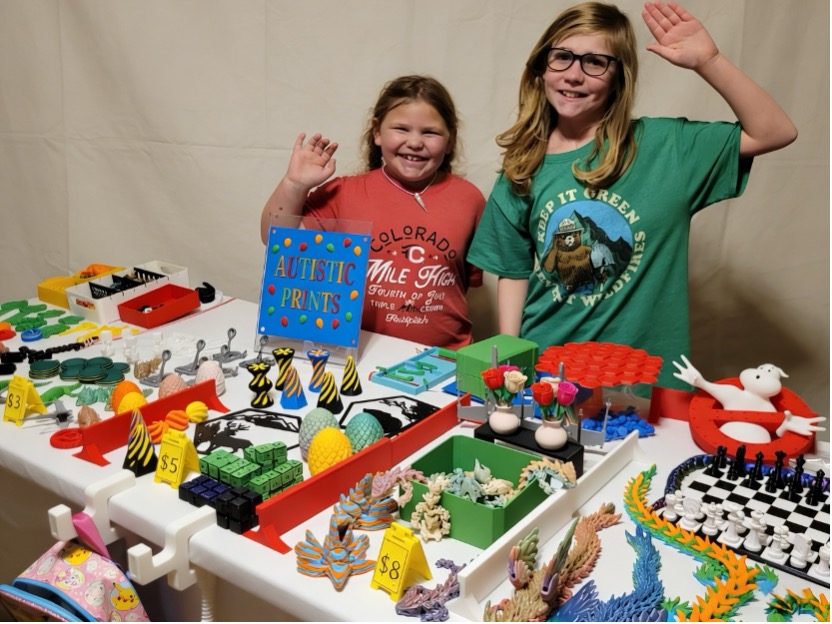
Ealan and Taleah with their Autistic Prints.
When Ealan and his sister Taleah first started selling their 3D printed items, their goal was simple and familiar to many kids their age: save enough money for a new game console.
That plan changed quickly. After their father unexpectedly lost his job, the siblings made a quiet but meaningful decision. Instead of saving money for themselves, they chose to use their earnings to help support their family.
What began as a hobby suddenly carried a deeper purpose.
The two siblings soon discovered how naturally their strengths complemented each other. Ealan enjoys designing and experimenting with new models, while Taleah thrives when interacting with customers and explaining their creations.
Running their booth also helped Ealan overcome challenges beyond design. Living with autism, ADHD, and a rare skin condition that makes him prone to overheating, he often finds new environments and social interactions difficult. But when visitors ask about the designs, he enjoys explaining how the ideas came together, and those conversations are gradually building his confidence.
Taleah continues to design customized pieces, often creating small gifts for friends and classmates. Her encouragement has helped her brother grow more comfortable sharing his ideas.
Together, their experience shows how creativity can become more than a hobby. It can become a way for young people to support the people who matter most to them.
HUGO: Engineering Solutions on the Track
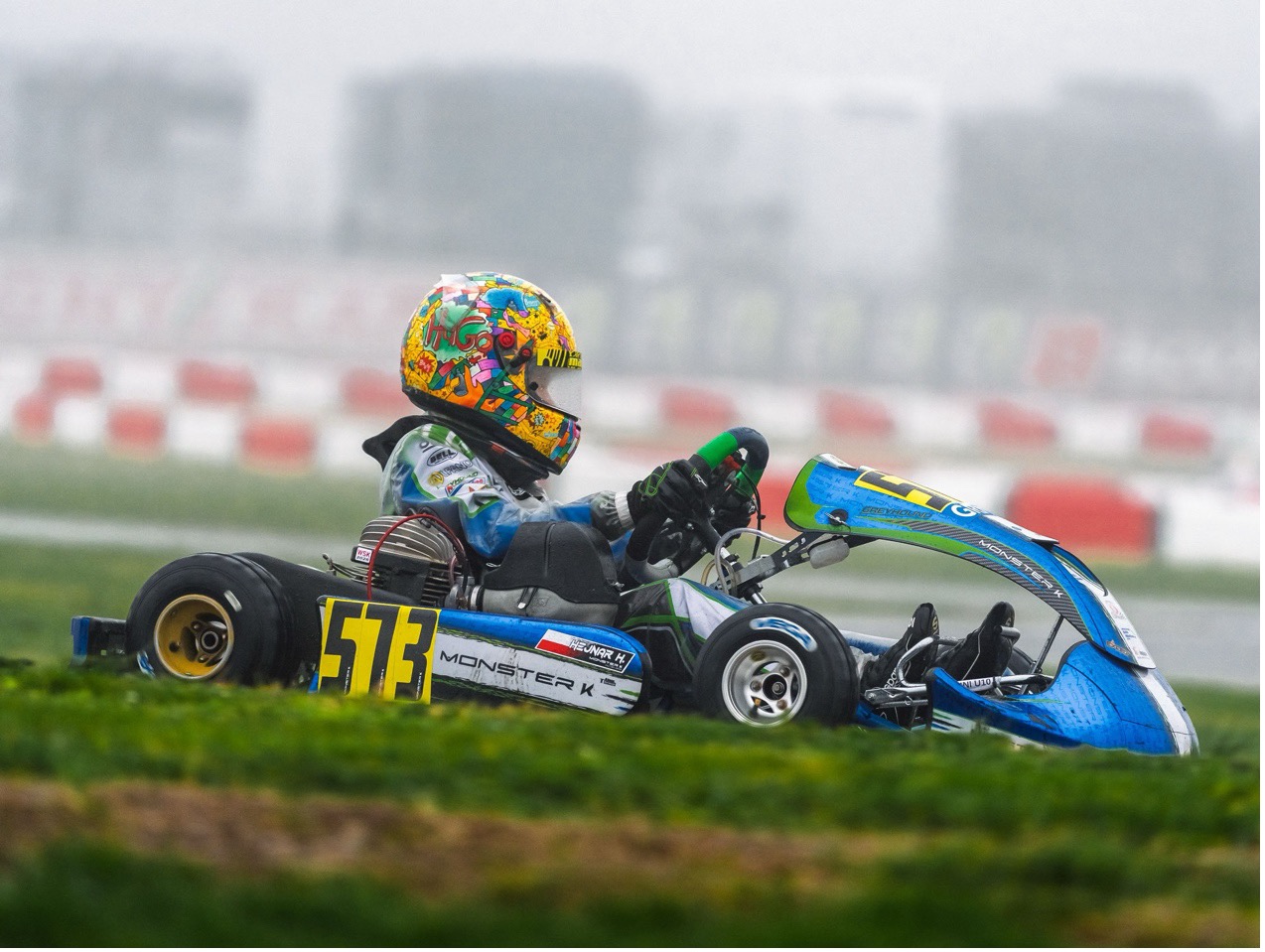
Hugo is participating in the Kart Race.
A karting track is never only about speed. For Hugo, a young karting racer who spends much of his time around the track and paddock, it is also a place full of problems waiting to be solved.
While watching mechanics and racers prepare their karts, he began noticing small inefficiencies that others often overlooked — tools that were difficult to reach, tangled cables, and components that wore down quickly.
To most people, these details were simply part of racing life. To Hugo, they were opportunities for better design.
Using 3D printing, Hugo started transforming his ideas into practical solutions. By designing and producing parts such as invented brake covers and battery-box components for wet conditions, he has been able to test improvements directly on the track.
The ability to prototype quickly has allowed him to refine his designs and share them with other racers and mechanics, turning simple observations into usable engineering solutions.
Dahlia: Creating for Calm, Care, and Emotional Well-Being

Dahlia with her Doodles and Daydreams Studio.
Dahlia’s project began with someone very close to her heart. Her best friend, Everly, had spent more than five months in a children’s hospital nearly five hours away from home.
Wanting to help in some way, Dahlia began designing small tactile objects to comfort children experiencing anxiety or stress. Her creations include finger fidgets, spiral puzzles, calming stones, and simple classroom tools designed to support emotional regulation.
Her empathy comes from personal experience: her brother also faces sensory challenges, and she has seen firsthand how such tools can support focus and emotional well-being.
Through these designs, Dahlia aims to create small but meaningful tools that children can turn to whenever they need comfort, focus, or reassurance, demonstrating how creativity can translate empathy into tangible support.
Technology as a Means, Not the Message
Within When Young Minds Create, success is not measured by output volume or technical complexity. Instead, attention is placed on confidence gained, empathy expressed, and responsibility assumed.
As more stories emerge, the program reveals a simple truth: when creativity carries purpose, its impact extends far beyond what is printed.
Images courtesy of Creality