
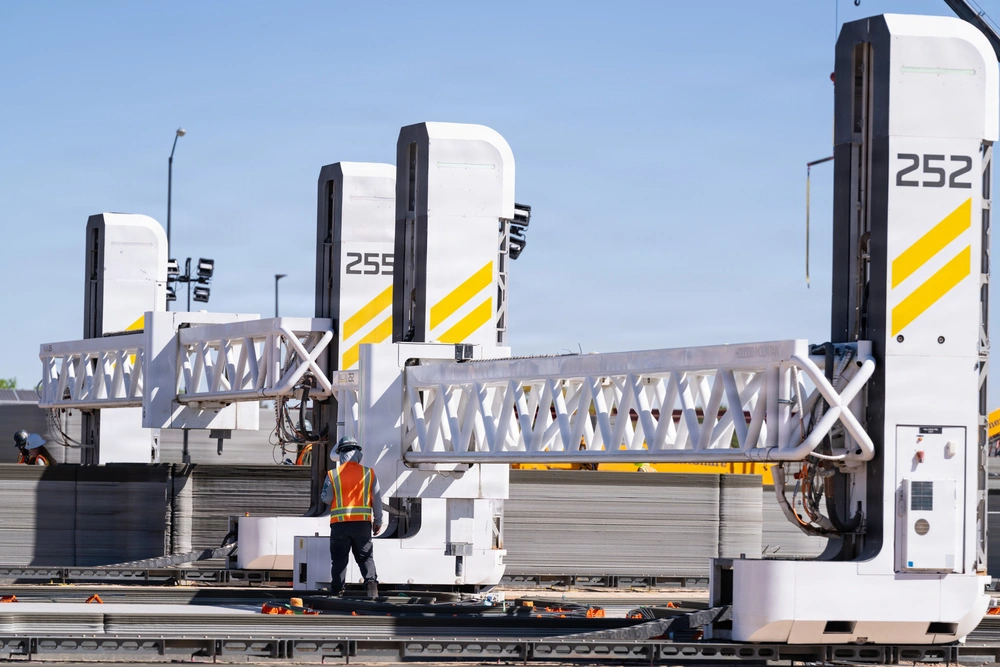
The U.S. Army has begun construction of 10 3D printed barracks at Fort Bliss in El Paso, Texas, in what is being described as the Department of Defense’s largest 3D printed construction project so far. Ground was broken in late March 2026, and the buildings are expected to house more than 500 soldiers once completed. The project uses large-scale robotic printers to build the structures faster and more efficiently than traditional methods.
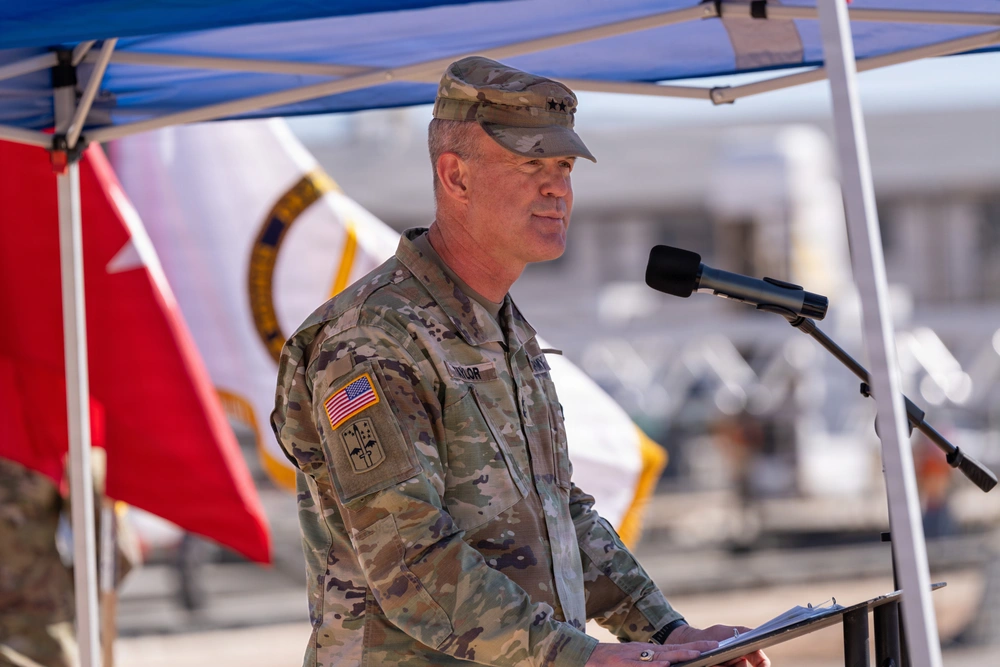
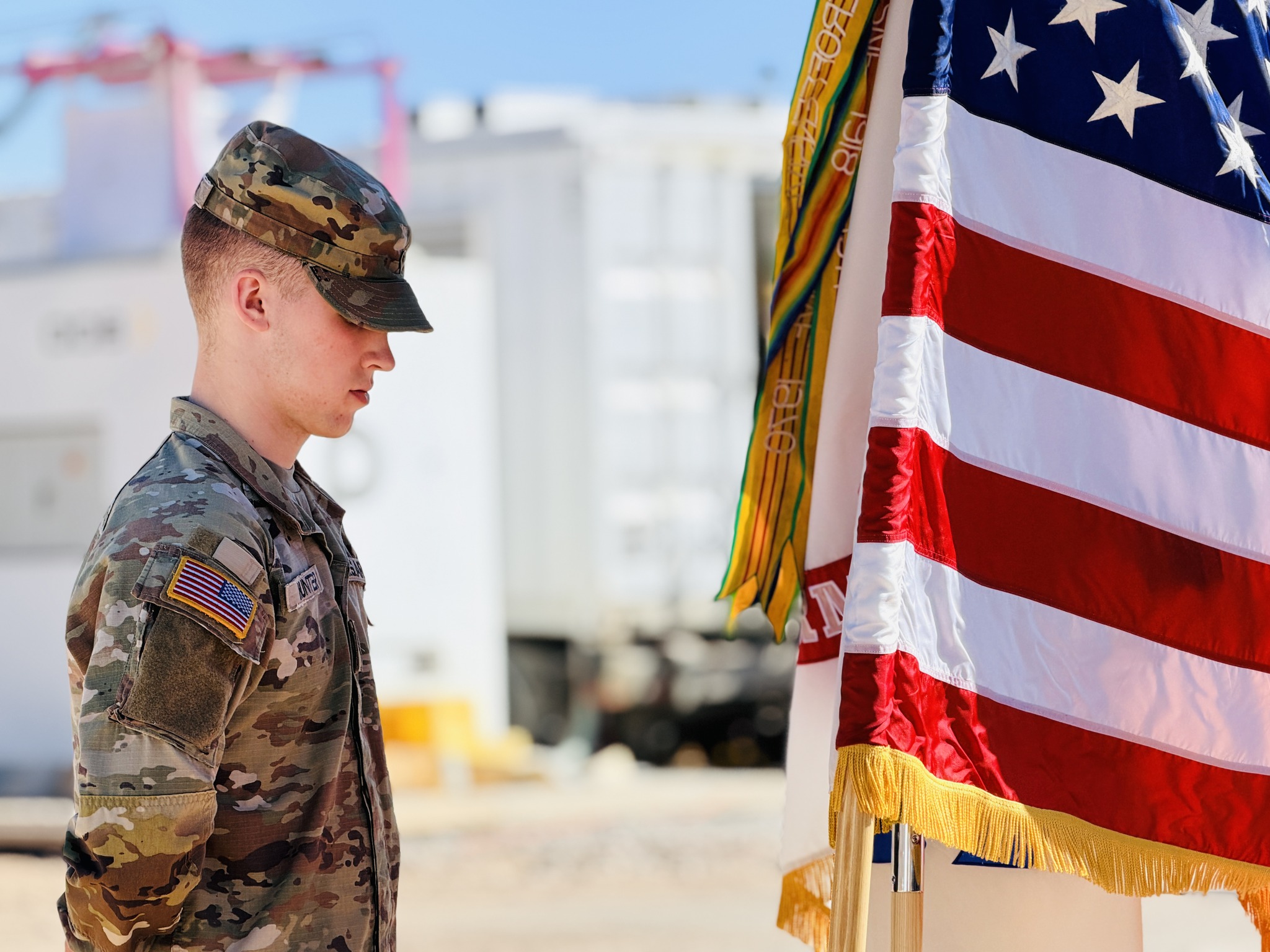
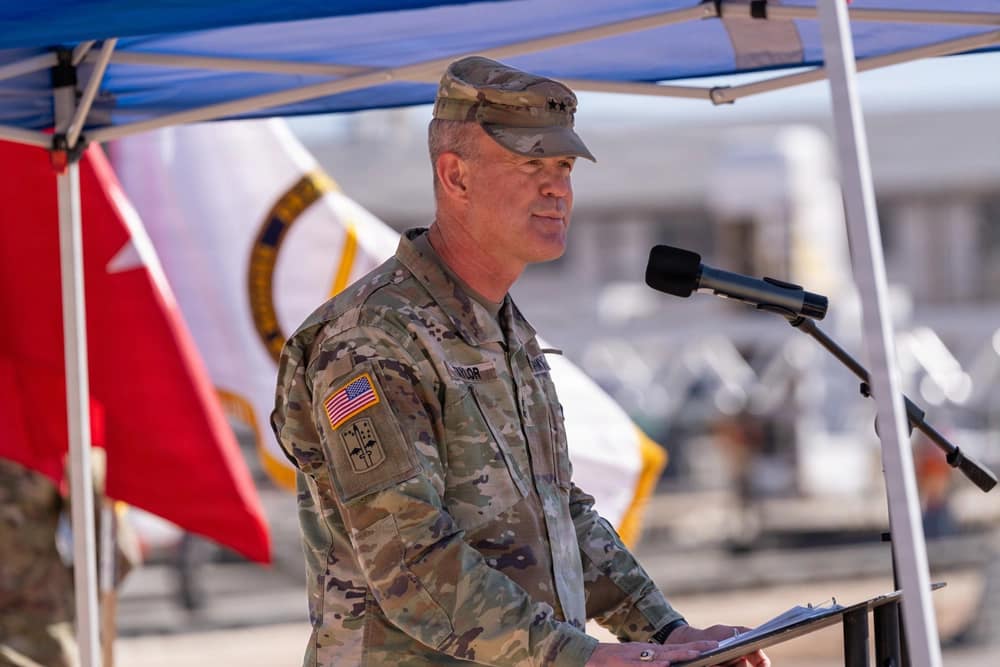
At the groundbreaking, Army leaders, soldiers, and community partners gathered to mark the start of the project. In a statement shared by Fort Bliss on social media, officials said the effort reflects the Army’s “commitment to innovation and quality of life for Soldiers,” adding that the barracks will be built faster and more efficiently while delivering more modern and resilient living spaces. Officials also described it as “a major step forward” in how the Army approaches construction and infrastructure. What’s more, the buildings are part of what the Army refers to as “Life Support Areas,” designed to house soldiers while improving construction speed and efficiency on the base.
The 1st Armored Division holds the Fort Bliss 3D printed Life Support Area Ceremonial bead laying on Fort Bliss, Texas, March 26, 2026. Image courtesy of U.S. Army/Sgt. Jacob Suess.
The barracks are being built using 3D printed concrete, deposited layer by layer by robotic systems. The work is being done with Austin-based construction company ICON, which is using its large “Vulcan” printers to construct the buildings. The Army has awarded ICON a contract worth about $62.8 million for the project. Officials say 3D printing can speed up construction and reduce labor requirements compared to traditional building methods, though exact cost comparisons vary by project.
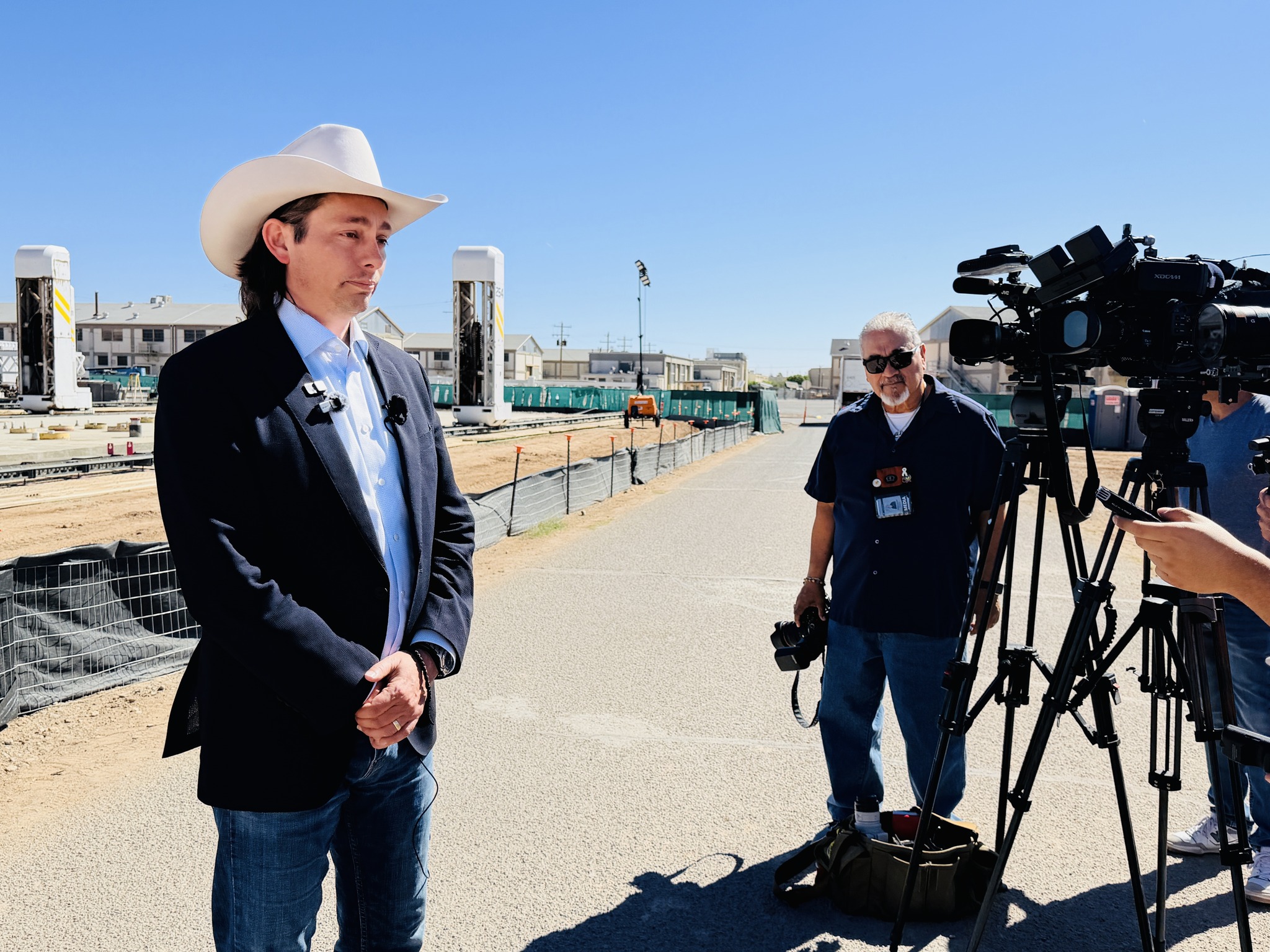
Jason Ballard, Icon Chief Executive Officer, gives his speech during the Fort Bliss 3D printed Life Support Area bead laying ceremony on Fort Bliss. Image courtesy of U.S. Army/Crista Mack/Fort Bliss Garrison Public Affairs.
This is not the Army’s first 3D printed barracks project at Fort Bliss. In 2025, it opened its first 3D printed barracks on the base as part of a smaller pilot program. That earlier effort included three buildings, each measuring roughly 8,000 square feet, and was used to validate the technology. The new project expands on that work, “moving from testing to a larger, more practical deployment.”
The Army has also used 3D printing for construction in other projects in recent years. Smaller barracks and training structures have already been built at Fort Bliss and elsewhere, and ICON has also worked with the U.S. Marine Corps on earlier projects. However, this new effort stands out for its scale, with 10 buildings being constructed at once, making it one of the largest deployments of 3D printed construction in the U.S. military so far.
The goal is to build faster, reduce costs, and improve housing quality. Army officials say traditional barracks projects often take too long and cost too much, while not always meeting the needs of soldiers. With 3D printing, the military can speed up construction timelines and use less material by placing it only where needed.
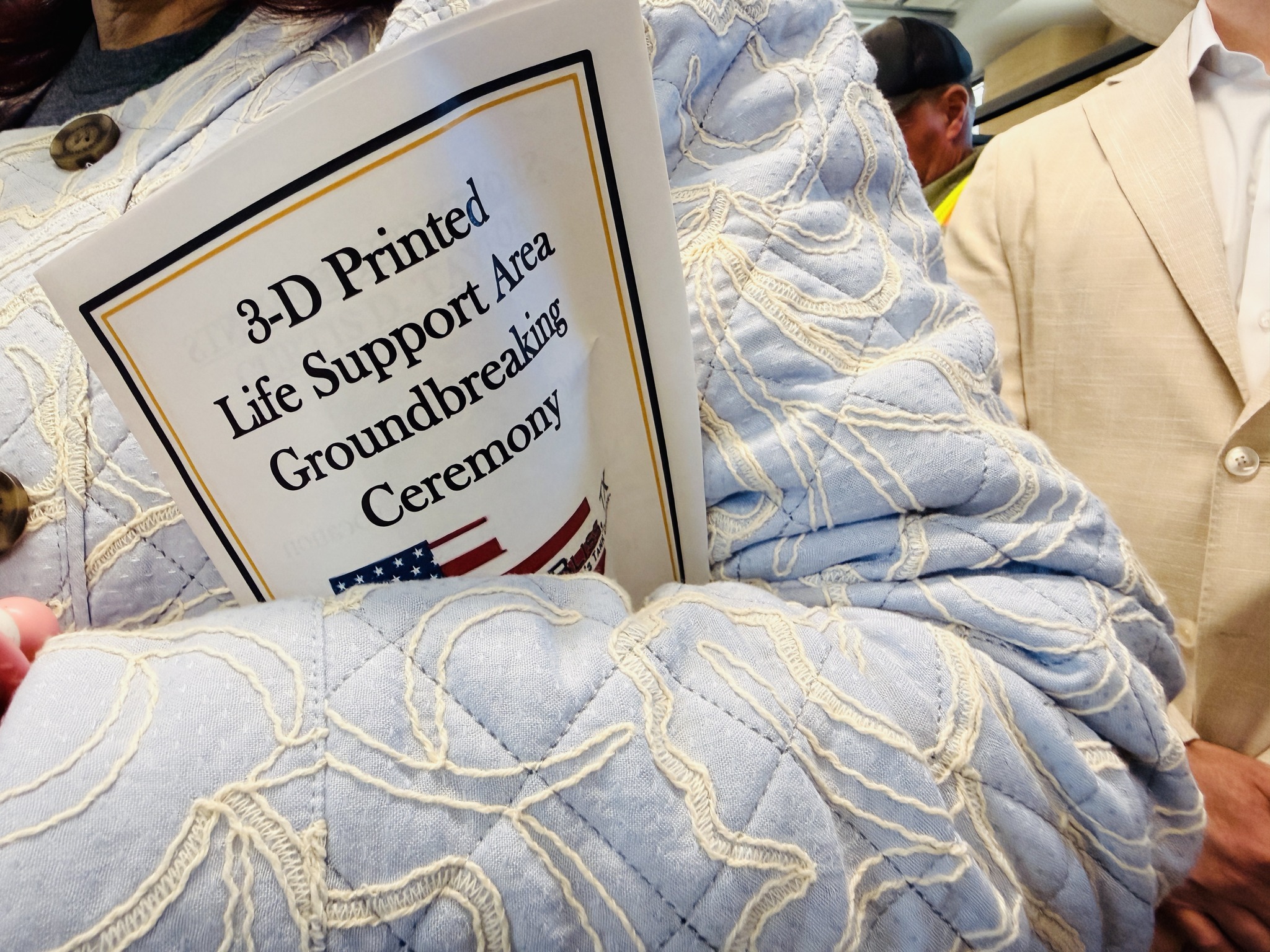
3D printed life support area groundbreaking ceremony memorabilia. Image courtesy of U.S. Army/Crista Mack/Fort Bliss Garrison Public Affairs.
At a recent ceremony, Army leaders and local partners described the project as part of a broader push to improve the quality of life for soldiers. Both ICON and officials said the new barracks are designed to provide more modern, resilient living spaces while demonstrating how new construction technologies can support readiness.
For the Department of Defense, this is part of a push to build faster and more flexibly. The military has been looking for ways to respond more quickly to changing needs, including troop surges. At Fort Bliss, the demand for housing has increased as operations expanded in recent years. This project, in particular, is being led by the 1st Armored Division, known as “Old Ironsides,” which is based at Fort Bliss, and has been using 3D printing to modernize how facilities are built on the installation.
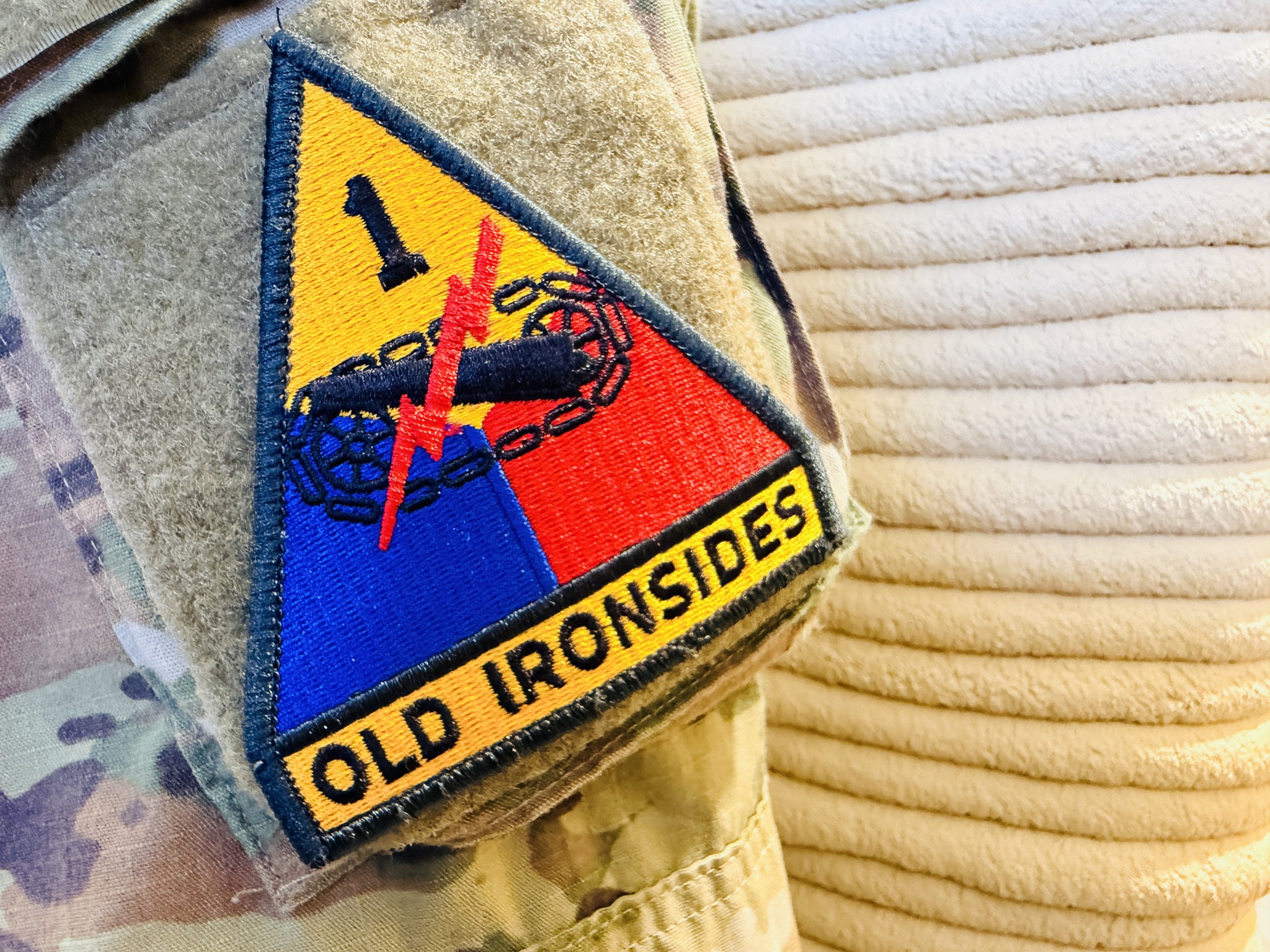
The 1st Armored Division, known as “Old Ironsides,” is based at Fort Bliss. Image courtesy of U.S. Army/Crista Mack/Fort Bliss Garrison Public Affairs.
More broadly, this is another step in the military’s growing use of 3D printing, extending beyond parts into full-scale construction. While the technology is still developing, projects like this show that it is moving from testing to real deployment. If successful, similar systems could be used to build not only barracks but also other military facilities in the future.
Of course, this is not the first 3D printed barracks project we’ve covered, but it is one of the largest and most practical so far. And for the U.S. military, that matters. It shows that 3D printing is moving beyond pilot projects and into real deployment, where speed, cost, and how fast things get done all matter. If successful, projects like this could change how the Army builds not just barracks, but a wider range of infrastructure in the future.