
Construction 3D printing pioneer ICON is teaming up with Austrian crane specialist PALFINGER in a move that could help bring large-scale 3D printing closer to mainstream construction use.
The two companies announced a strategic partnership to combine ICON’s 3D printing technology with PALFINGER’s expertise in heavy machinery, lifting systems, and industrial engineering. The goal is to make large-scale 3D printed construction faster, more scalable, and easier to deploy.
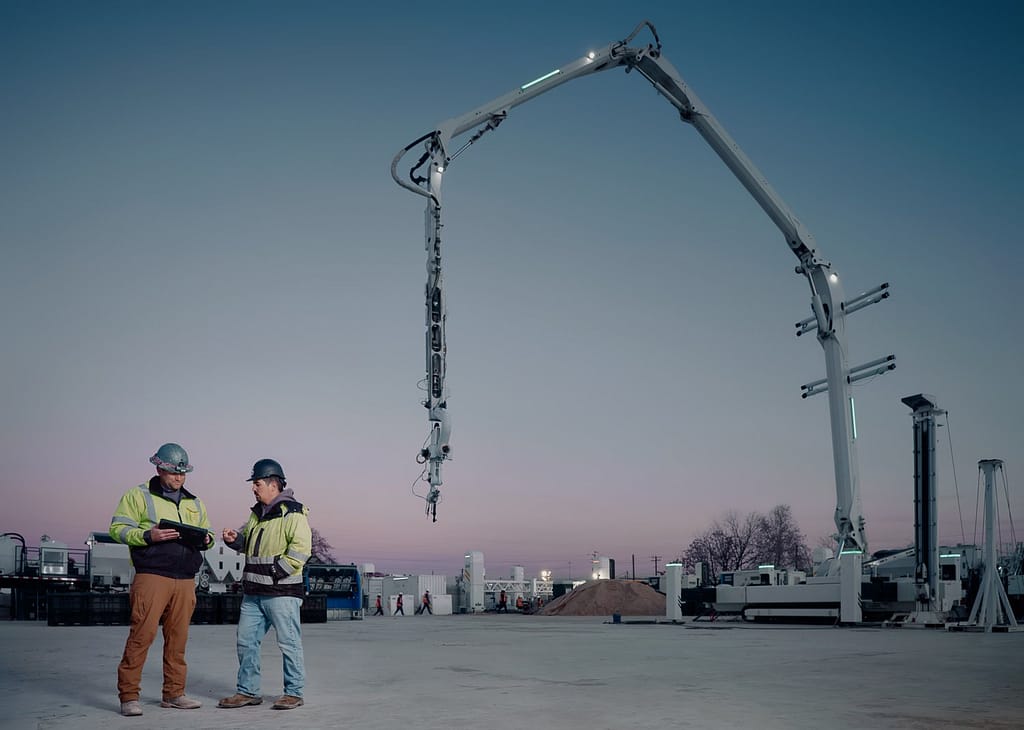
At the center of the collaboration is ICON’s Titan system, a large robotic platform designed to print multi-level structures up to 27 feet tall. PALFINGER is contributing its lifting and stabilization technology to help position and support these systems in the field.
This partnership also comes as ICON begins to push Titan into the market. The company recently opened sales of Titan, marking a shift from running projects itself to letting builders use the technology directly. The company says the system can print wall systems for around $20 per square foot, potentially cutting costs by up to 40% compared to traditional methods. This means more machines that can run continuously, handle larger builds, and move beyond pilot projects into everyday construction use.
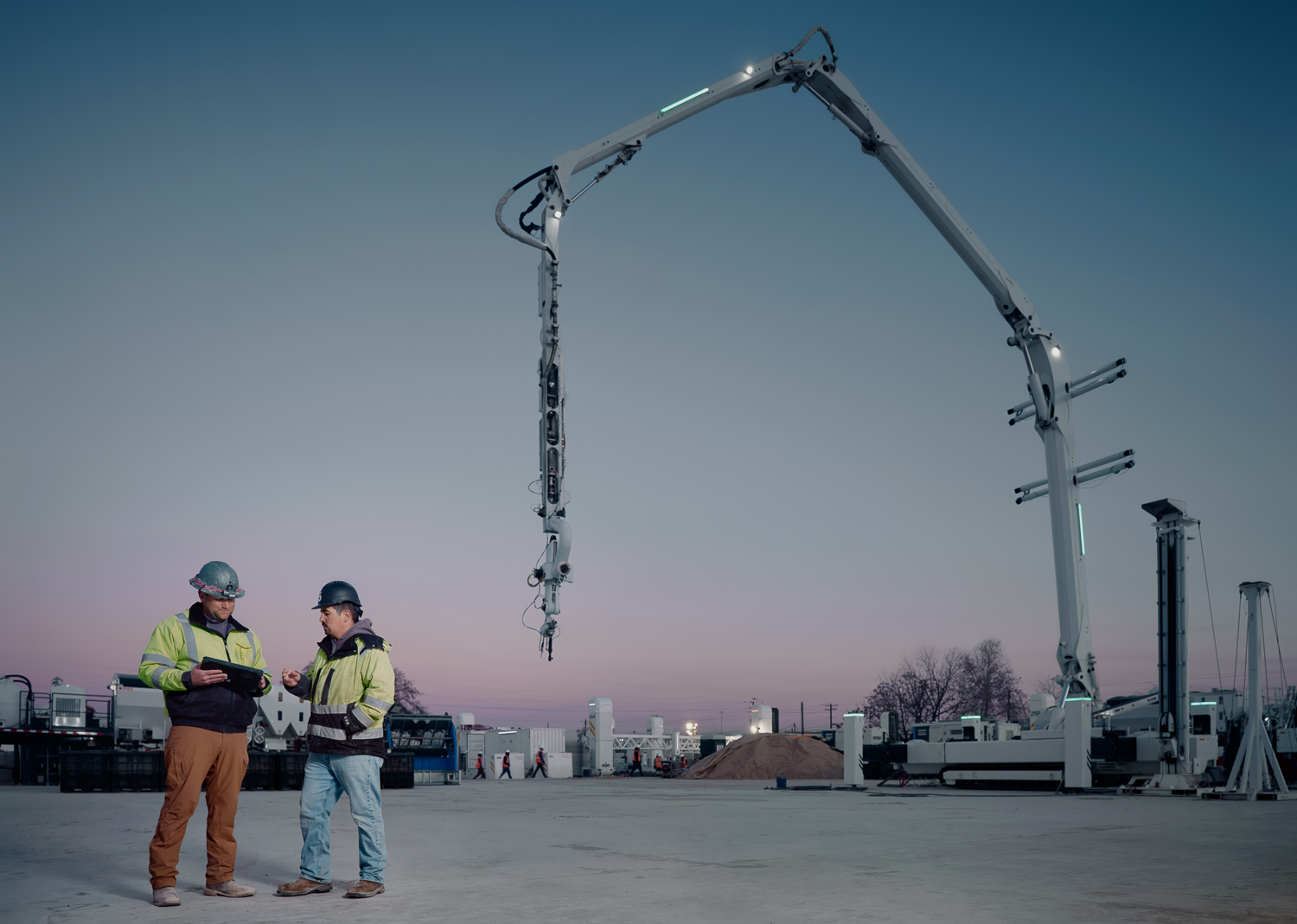
Operating Titan.
Why This Matters
ICON has been one of the most active players in construction 3D printing over the past few years. The company has printed homes in the U.S. and Mexico, worked on affordable housing projects, and even partnered with NASA on concepts for 3D printed structures on the Moon and Mars.
But like much of the construction 3D printing sector, ICON has been operating in a space that is still early. Many projects have been small-scale, experimental, or heavily supported by partnerships and funding.
Meanwhile, this new collaboration points to something different. By working with a company like PALFINGER (an established industrial player with decades of experience, global infrastructure, and real deployment capabilities), ICON is taking a step toward industrialization.
Instead of just printing buildings, the focus moves to building systems that can be deployed reliably, repeatedly, and at scale.
Where Construction 3D Printing Stands Today
Most of the attention in construction 3D printing has gone to housing, especially affordable housing, and for good reason, there is a very clear global need for faster, lower-cost housing solutions. And while that remains an important use case for this technology, progress has been slower than early hype suggested.
The biggest challenges are not just technical. They include scaling machines, fitting into existing construction workflows, meeting regulations, and making the economics work in real projects.
As additive construction expert Stephan Mansour has pointed out, the issue is not just about better technology. Mansour told 3DPrint.com last year that the industry still lacks the right business models and practical ways to integrate 3D printing into how construction actually works today.
He has also emphasized that materials and processes need to be rethought for real-world use, not just optimized for printing. Without that, many projects remain demonstrations rather than scalable solutions.
That’s where partnerships like this come in. Rather than trying to solve everything alone, companies are starting to combine expertise across robotics, heavy machinery, materials, and construction know-how. In this case, ICON brings the printing system, while PALFINGER brings the industrial backbone needed to make it work in the field. It’s a “best-of-both-worlds ” approach that could help scale the technology.

Multi-story home development designed by BIG.
Where 3D Printing Meets the Job Site
The Titan system is designed for continuous, 24/7 operation and uses modular components, stabilizers, and crawler systems to adapt to different environments. Early prototypes have already been tested, pointing to a technology that is moving beyond the concept stage.
If it works, this setup could help solve some of the industry’s biggest problems, like labor shortages and the need for faster, safer construction. Also important is the fact that it points to a shift in how construction 3D printing is evolving. That means it is much less about one-off projects and more about systems that can be used again and again.
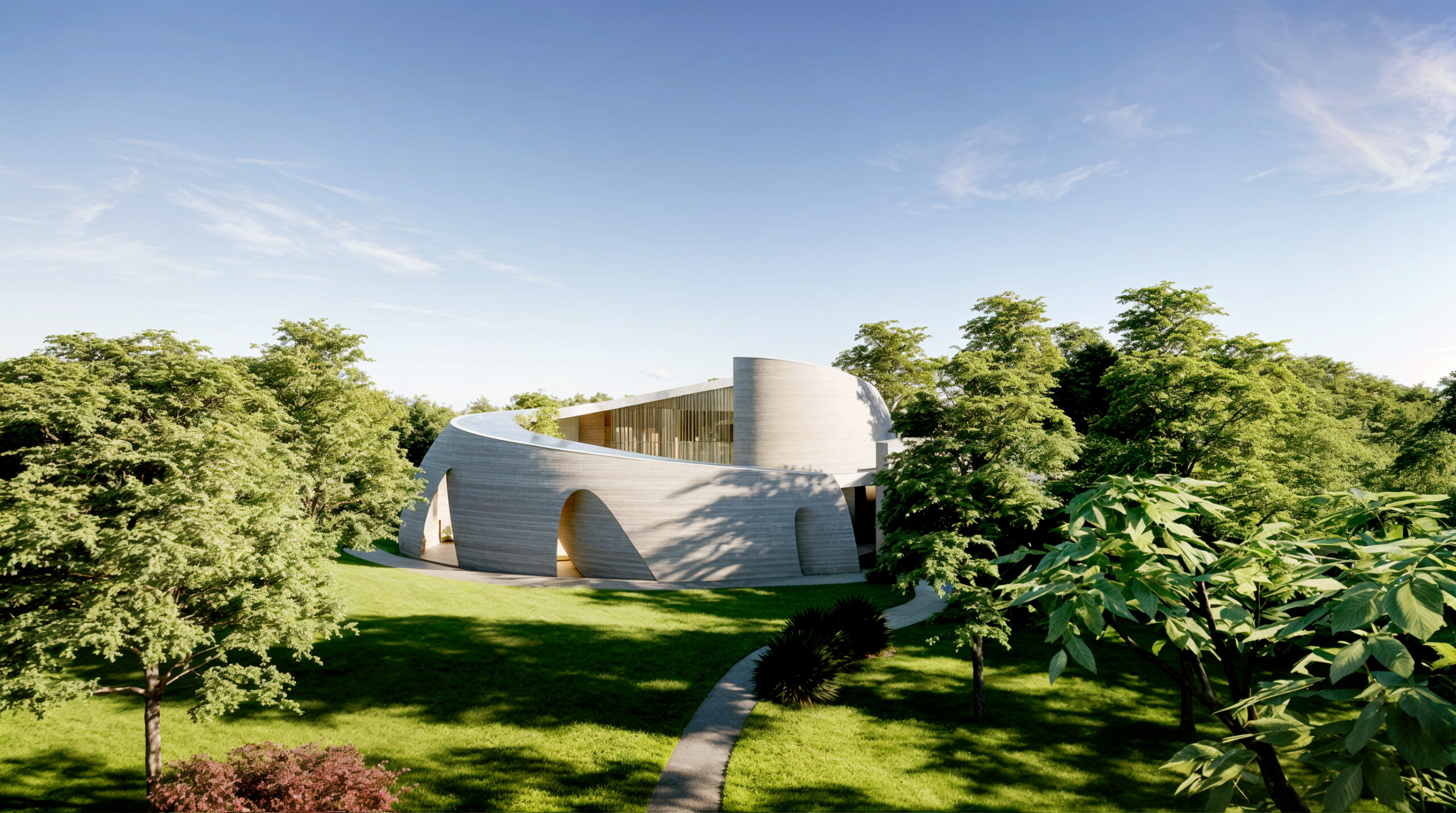
3D printed Church by Overland Partners.
The biggest opportunity for 3D printed construction may not be replacing traditional building, but working alongside it in areas where speed, access, and risk matter most.
Partnerships like this suggest the technology is starting to move in that direction, and finding its footing in standard construction environments, and showing where additive construction actually delivers value.
Images courtesy of ICON