
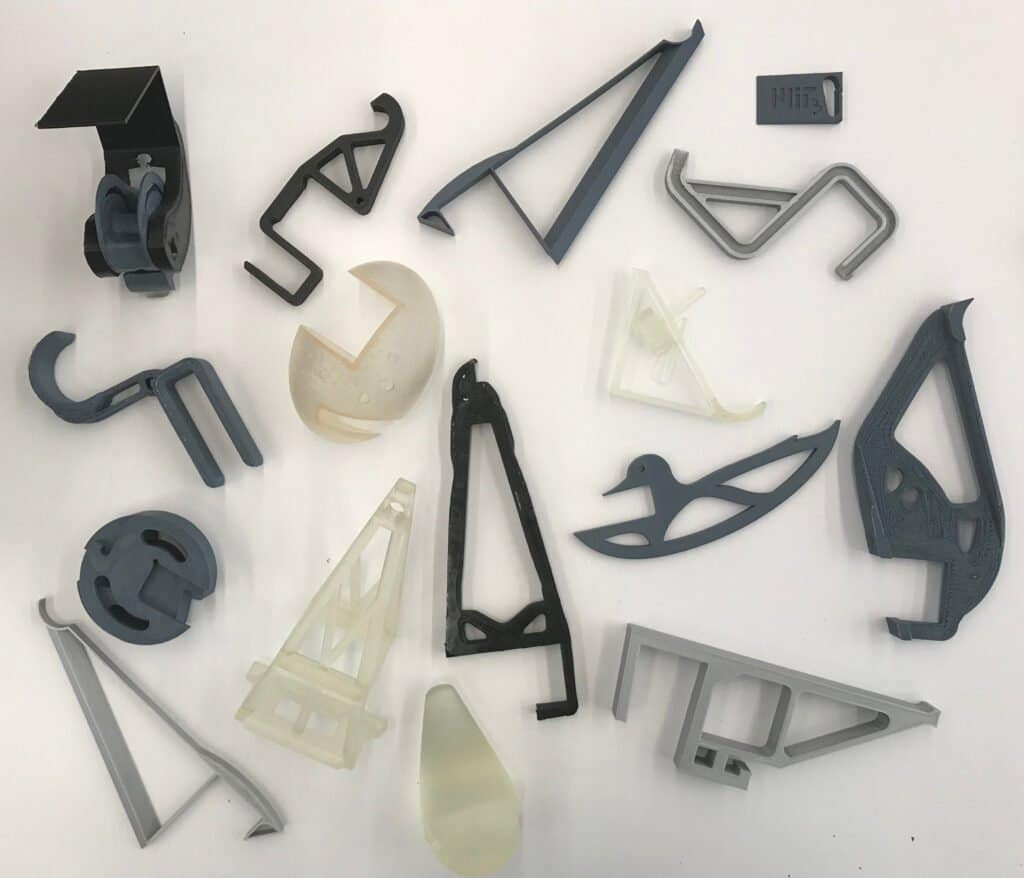
MIT will offer the class Enterprise Additive Manufacturing over the course of five days. Three and a half days will take place at MIT, while two half days will see the students bounce between MIT and RAPID + TCT. The focus is on teaching business leaders how to implement additive at scale and “identify, evaluate, and deploy innovative applications of AM are essential to greater and more effective adoption.” The course covers “strategy, operations, technology selection, and real-world case studies” and will take place in Boston between April 13 and 17.
The curriculum will cover both the direct manufacturing of 3D printed components and things such as jigs and fixtures. The team believes that “the frontiers of AM are defined by new materials, advanced automation and software, and the use of artificial intelligence for design optimization and production control.” The team at MIT says it has taught 3D printing classes to over 10,000 students to date. Which is actually amazing if you think of it.
The teams will look at how to assess whether 3D printing could meet their needs while also evaluating it against conventional manufacturing technologies. Cost, volume, and performance will be judged. Not only the additive step, but also design and post-processing will be looked at. Participants will also get to see and work with 3D printers at MIT and get to work with CAD and other 3D printing software.
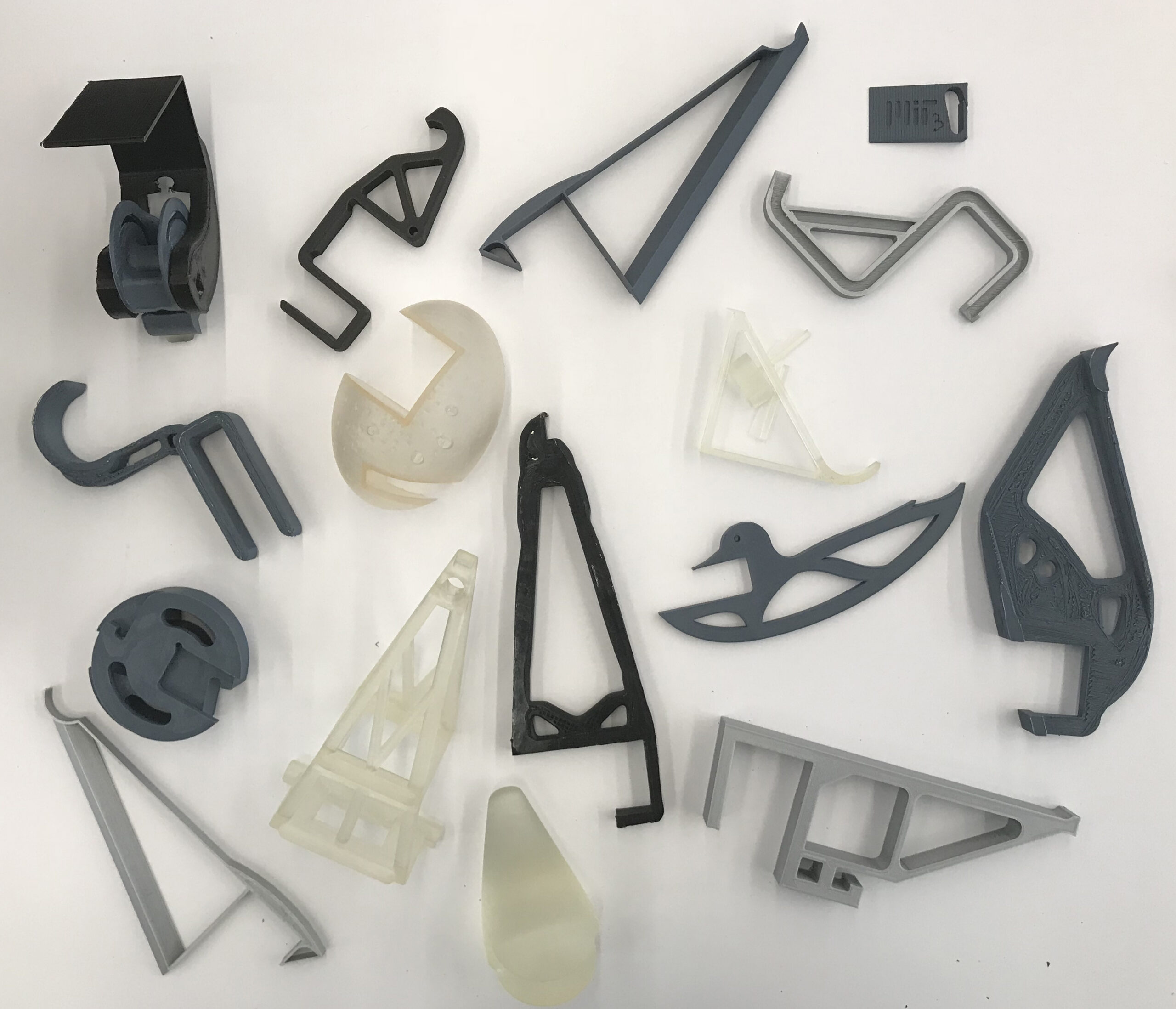
Through lectures and discussions, teams of students will learn and apply their knowledge to business cases. Teams will create a vision, business case, design, and strategy. In so doing, they’ll learn how to implement and apply additive to their own business lives. They say that, “We hope you arrive at MIT with an open mind, and leave the course with a clear idea of how to use AM and, more importantly, practical experience in doing so.” The course will be presented through the lens of an actual 3D printed part. Through the business case, design, and costing, they will learn which processes (or if at all), this part will work. At RAPID, the students will see and interact with the parts, machines, technologies, and suppliers they may need for their business case. Teams will be led across the show floor to meet people and see parts. Around 40% of the course will be lectures and 40% will be working in groups. They estimate that 40% of the course will cover additive manufacturing as a technology, 30% will focus on the latest developments, and 30% will cover applying the technology.
You could be new to 3D printing or have some experience. Engineers, design engineers, managers, doctors, and more have done similar classes at MIT. The team thinks that the sectors “aerospace and defense, medical devices, thermo-electrical components, automotive, fluid handling devices, semiconductors, art, design and architecture, consumer products, and other general manufacturing of physical goods” are the most relevant.
I really like the work that MIT is doing in educating a broad swathe of interested people. The path towards understanding has traditionally been difficult and long. By making it easier for people to get their bearings, they’re accelerating industry adoption. For over 15 years, I’ve given tours of 3D printing trade shows to investors, business partners, and prospective clients. It’s so much more efficient to show them the machines and parts in person. Showing people the limitations in size, smoothness, materials, and finishes is much faster. Seeing the machines and the build volumes, but also all of the post-processing equipment, really helps people understand where we are. It’s one thing to describe a part, but to hold it and understand is much better. I really think that this kind of thing is very valuable, and I hope we see many more courses include trade show experiences in the future.