
Thanks to this LinkedIn Post by Lukas Ziegler, I found out about the Berkeley Humanoid Lite. Now I’ve always been quite skeptical of humanoid robots. Why not just get two Roomba-like devices to do the work on each floor and dispense with the walking? The extra humanoid element may be exciting, but it seems like a lot of additional effort compared to just getting a robot to do relevant work.
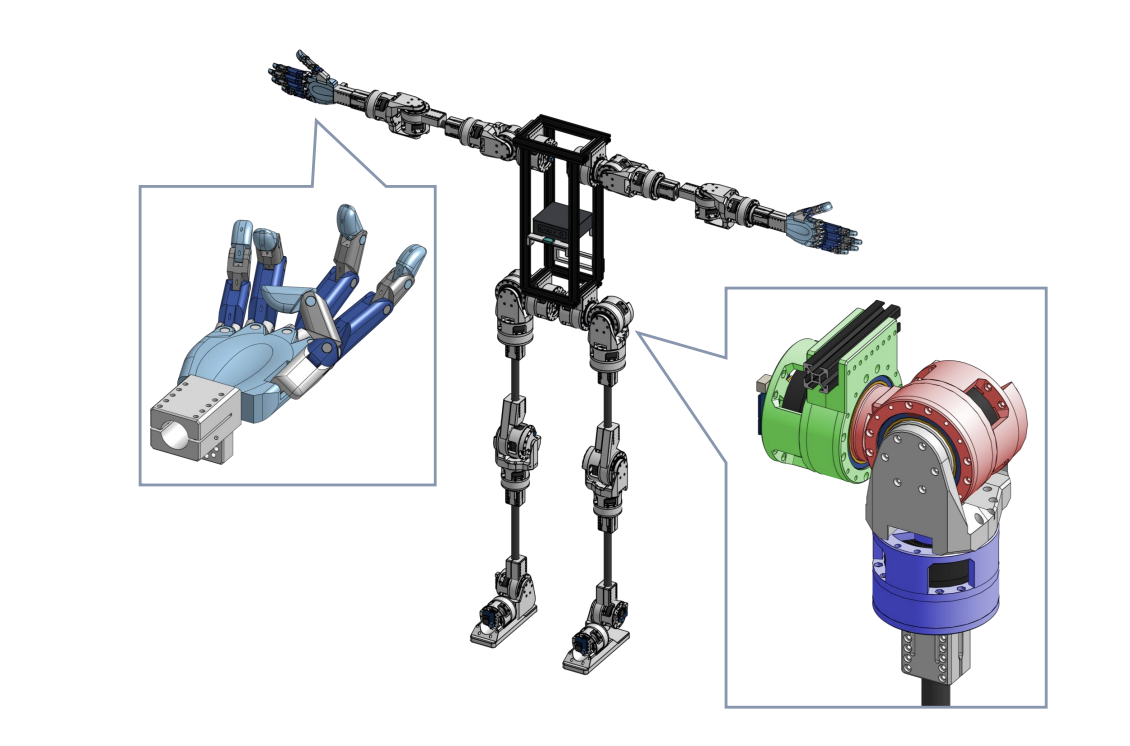
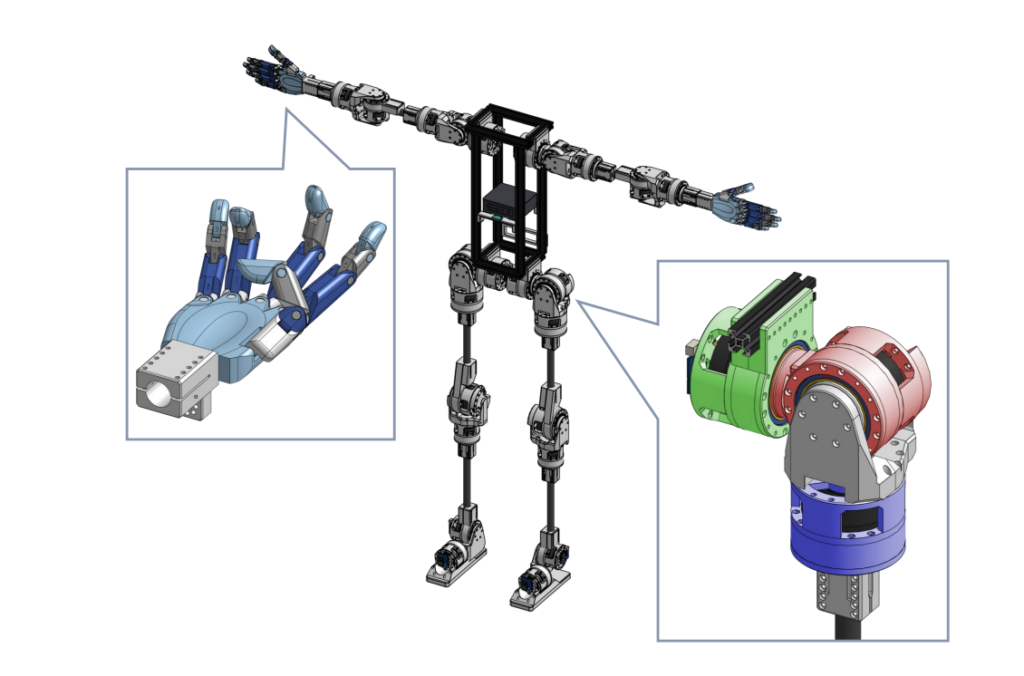
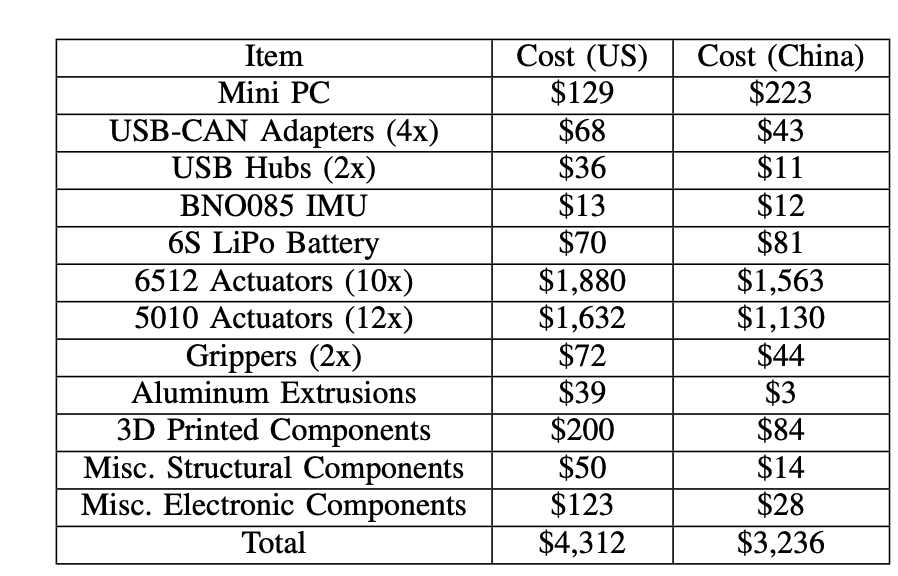
But the Berkeley Humanoid Lite really changes my thinking about this. A lot of the robot’s components can be made on the 3D printer you have at home. The total BOM cost may be around $5000. The robot is also open-source and uses only standard components you can order online. A team at Berkeley has been working on this for a while and has published a series of papers on it. Not only is the CAD open source, but also the software used to run the robot.
The team says of their creation that they wanted to make an “open-source humanoid robot designed to be accessible, customizable, and beneficial for the entire community. The core of this design is a modular 3D-printed gearbox for the actuators and robot body. All components can be sourced from widely available e-commerce platforms and fabricated using standard desktop 3D printers, keeping the total hardware cost under $5,000.”
The paper was published in April 2025. Since then, a number of people have been engaging with this robot and looking into making it more accessible. Ororobot explains the robot and gives links to parts. There’s a GitHub, and there’s a website. There is a Discord server and a WeChat group. But precious few people are building this robot in the wild. I was expecting many more build videos on YouTube, for example.
Components were chosen because they were available on sites like Digikey and widely available. They based an actuator design on a standard ball bearing that you can get anywhere. The robot has been designed so that the largest components fit into a 200 mm × 200 mm × 200 mm build volume. All the parts have been made in PLA, which wouldn’t be my choice, but it does keep it super accessible. The team did find variability in parts across 3D printers, as expected. They then showcased how they trained and used the robot. The team believes that the PLA may be the design’s Achilles’ heel.
And I do agree; I think that if you could make many of the wear parts from a self-lubricating material like Igus Iglidur, PK5000, or POM (which you should not be printing at home!), it may work better. And making many components from PC Blend would work really well as well. PA CF may be tempting, but PA GF might be more useful. I fear wear and heat buildup using PA’s in wear surfaces and on things like gears too. But, again, this would make it much less accessible today. But in a few years, the thing should print on many more machines and work much better. It would be interesting to see how well it works in the long term with PETG, since so many people use it every day.
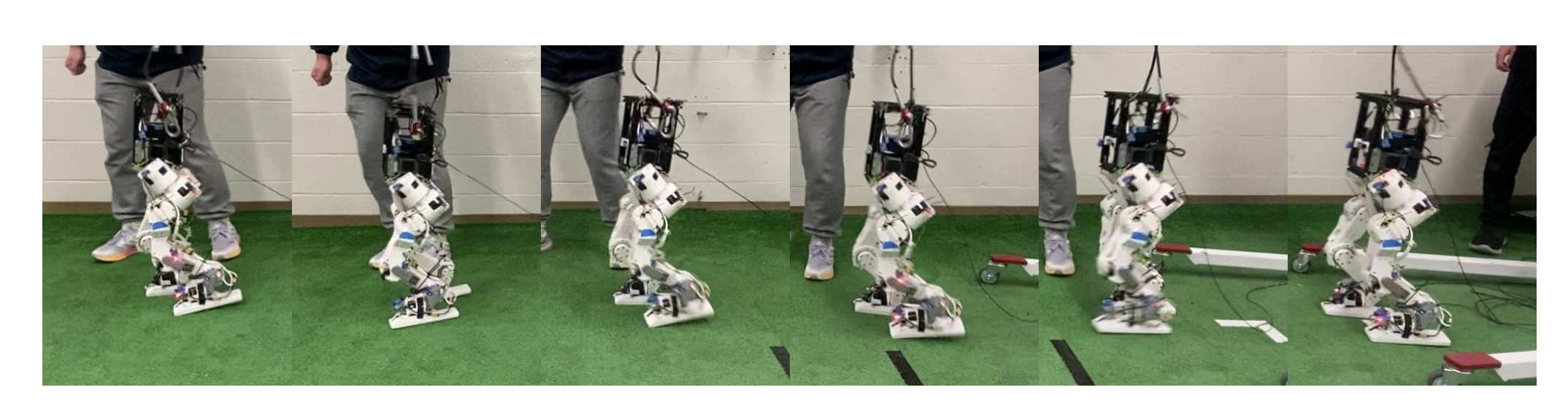
A key part of this robot is the 3D printed cycloidal actuators, which are a 3D printable low backlash, tough actuator that is less likely to destroy itself when in use than alternatives while being compact. The team says that these actuators are actually used in class to demonstrate cycloidal actuators. Now, if this thing is, in fact, easy to make and replicate, then this is the most obvious near-term use. Your high school or college class can make a robot. You can adjust the design and teach it things. If you do successive classes working on a particular care robot, for example, you may be able to make real progress. But could this maybe lead to an “open-source robotics revolution”?
Maybe?
One of the researchers, Chi Yufeng, is currently at NVIDIA working on AI. Now, this is the main reason why an open-source robotics revolution is unlikely to happen right this minute. Many relevant researchers in software, robotics, and engineering will hear the siren song of AI. If you’re AI-adjacent, it is easy to get sucked into the hype and all the cash sloshing around in that market. Also, imagine asking for money for an open source robot. Maybe work, but it will be hard. Now imagine asking for money for an AI learning framework for robots; you’ll be unicorn farming the moment you finish the PowerPoint. So the money is likely to bypass this sector for the moment. People still believe in corporate robots and super expensive humanoids that can do it all. We’re still very much in the “make sci fi real” part of this.
But I can just feel the parallels to the 3D printing market. Hardware is super cheap; many components are much cheaper; software is powerful and adjustable, too. 3D printing enables mass production at scale in many places, too. And $5000 is doable. Robotics is a dream for people, and it’s heady sci-fi stuff too. We’re just coasting on the replicator idea, folks, and look at what we’ve managed to accomplish. Imagine whole herds of people-electric sheep farming. The robot dream and robotics as an icon is much more powerful and prevalent. The TAM and SAM calculations in this market are hilarious too. All work, but then done by us! So this kind of revolution could happen.
What Would it Need?
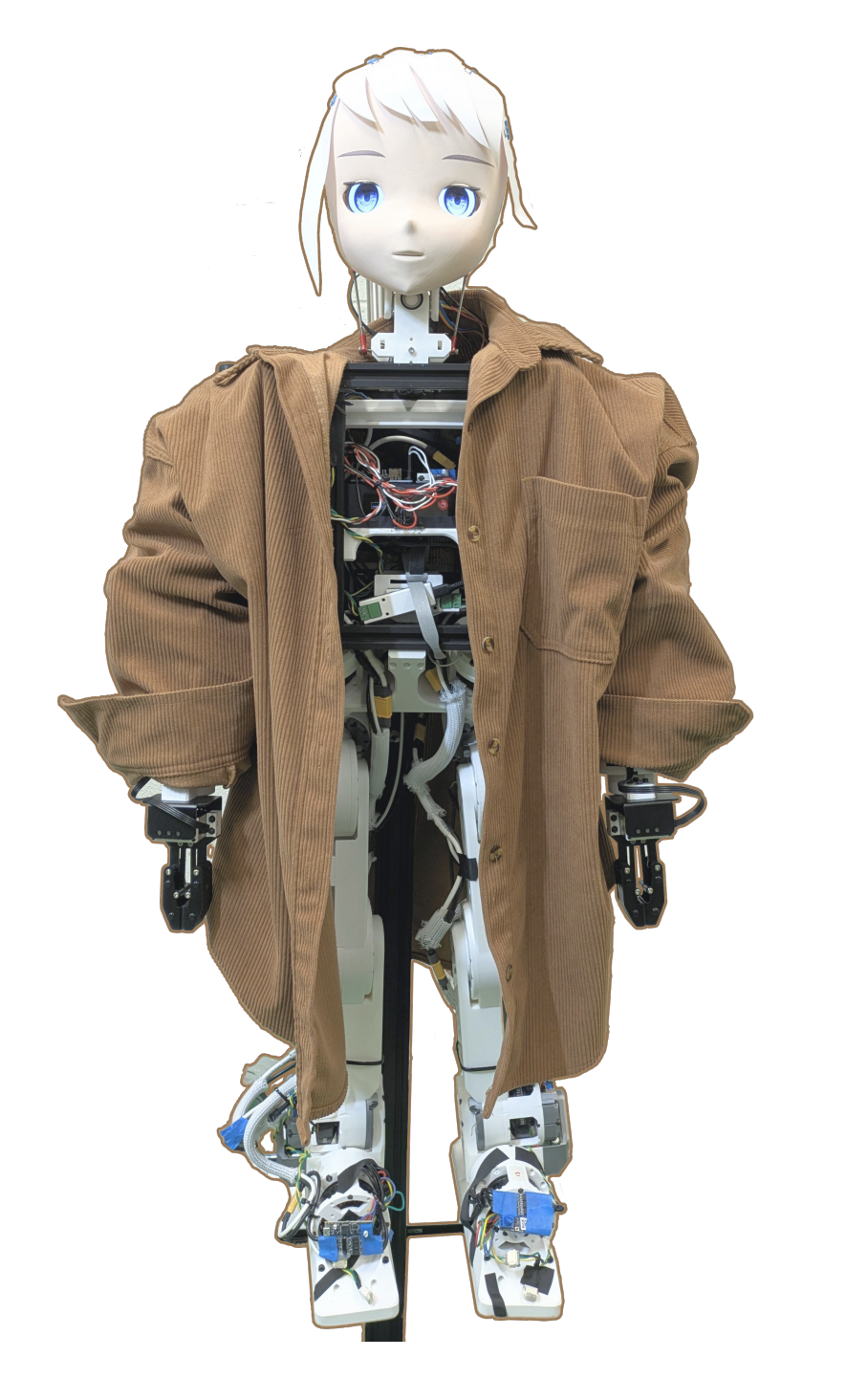
The project would need to be much more alive to work. It would need forums, users, and a lot more publishing, posting, making, and other activity. Bambu Lab or Prusa could bring this project to life on their sharing sites to really drive it forward. Or a new, more community-oriented approach could make people feel more at home. Also, it still looks a lot like a big project. It would need to really have a complete curriculum built around it for it to work in schools. So a movement around this, with teachers contacting one another and helping to implement it, would help too. Also, the team needs to inspire more. Show more examples of this thing working, show more examples of it being trained. There needs to be a big payoff moment for this to work well for users and classes. “My robot walks” or “We’ve trained Bob the Robot to pick up something,” for example. It would help if there were, like, a $1000 robot for people to get started with. Or maybe a $1000 robot arm project that you could then use for the rest of your robot. Also, they need to get their Kawai in order because the thing in a jacket above looks like it’s about to stab me; blame it on affluenza and get away with it, Scott Free. I do think eventually that someone will get an open-source robotics project to become popular. And I do think that people will want to be that quirky, sciencey person who brings open-source robotics to the world. So I do think it will happen, but maybe not just yet? And we’re so tantalizingly close to making this happen!
Images and video courtesy of UC Berkeley