
Metal additive manufacturing company 3DEO is being dismantled. On Tuesday, August 18, the remaining machinery at the company’s Torrance, California, factory went up for sale in an online auction. The sale, run by auctioneer Brian Testo Associates through the BidSpotter platform, listed hundreds of items from 3DEO’s metal additive manufacturing operation. Bidding began closing at 10 a.m. Pacific time.
The auction included manufacturing, inspection, thermal processing, CNC machining, robotics and other factory equipment, effectively breaking up what the auctioneer described as a complete precision manufacturing plant.
But the machinery sale is only one part of a much bigger story. 3DEO has entered an Assignment for the Benefit of Creditors, or ABC, under California law. Instead of going through federal bankruptcy court, the company transferred its assets to an independent assignee, Insolvency Services Group, which is selling them and will use the proceeds to repay creditors. That process is also separating 3DEO from what may be its most valuable asset: the proprietary metal 3D printing technology it spent years developing.
According to Brian Testo Associates, Insolvency Services Group had already received an initial offer of $3,426,507 for 3DEO’s IP portfolio and certain machinery and equipment. Known as a “stalking-horse bid,” the offer set a starting price for the sale, giving other interested buyers a chance to submit higher bids.
Other interested buyers had until August 12 to submit a higher qualifying offer. If at least one did, an auction between the bidders was scheduled for August 14. However, Brian Testo Associates has not publicly said whether any competing bids were received or whether the auction took place. As of August 18, it has also not identified the buyer or disclosed the final sale price. So the biggest question around 3DEO is still: who bought its technology?
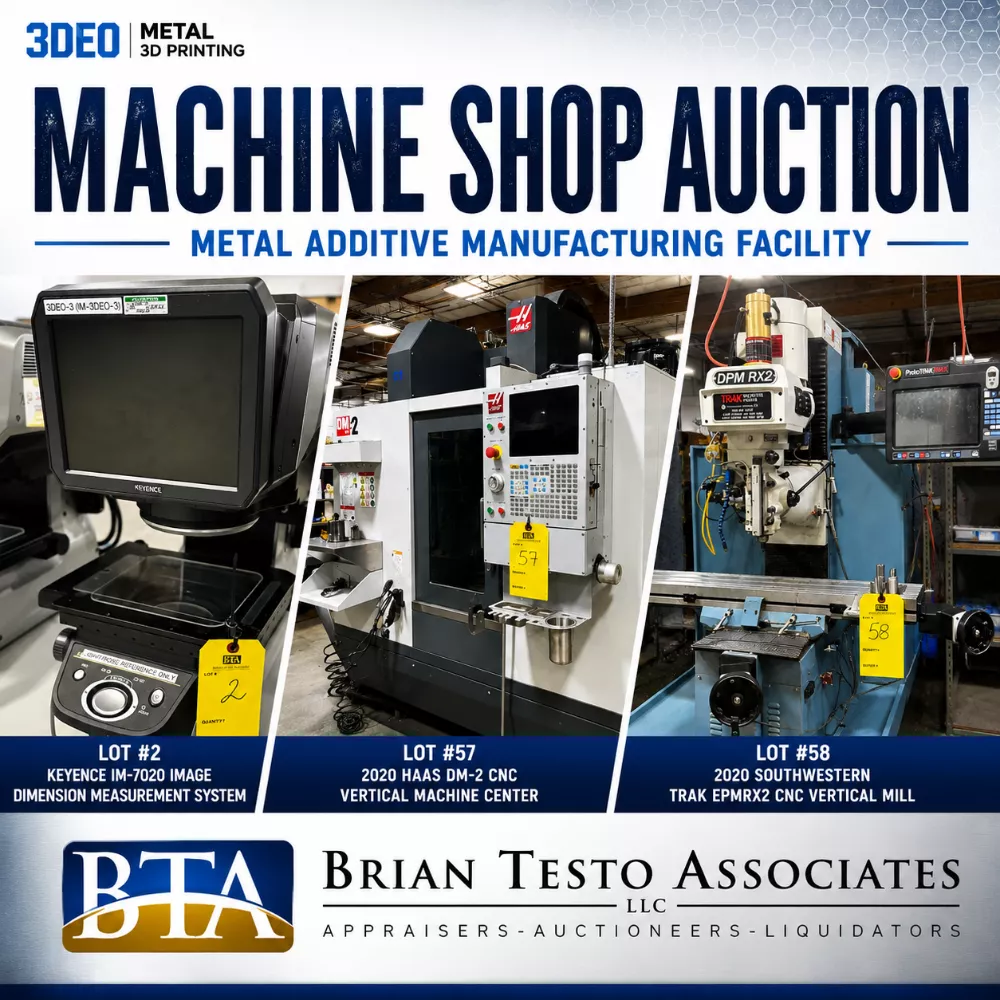
3DEO up for auction. Image courtesy of Brian Testo Associates.
A Metal AM Factory Is Being Broken Up
The physical auction shows the scale of what is disappearing. Brian Testo Associates describes the sale as the liquidation of a “complete metal additive manufacturing facility.” The current catalog contains 328 lots at 3DEO’s Torrance site.
Included in the auctioned equipment are Haas CNC machining centers, Keyence inspection systems, Fanuc robotic arms, an Elnik high-temperature debind and sinter furnace, additional sintering furnaces, finishing equipment, ovens, microscopes, measurement tools, spindle motors and other production hardware. So, this auction is not just a sale of office furniture or leftover inventory. It is the breakup of a functioning precision metal manufacturing operation.
Some proprietary machinery directly tied to 3DEO’s technology is being handled through the separate IP sale rather than the general equipment auction. The $3.4 million stalking-horse offer covers the IP portfolio, as well as certain machinery and equipment. If you’re wondering why this is important, it’s because 3DEO was never mostly a machine seller. In fact, it built its own metal 3D printers and used them itself to make parts for customers.
What 3DEO Actually Built
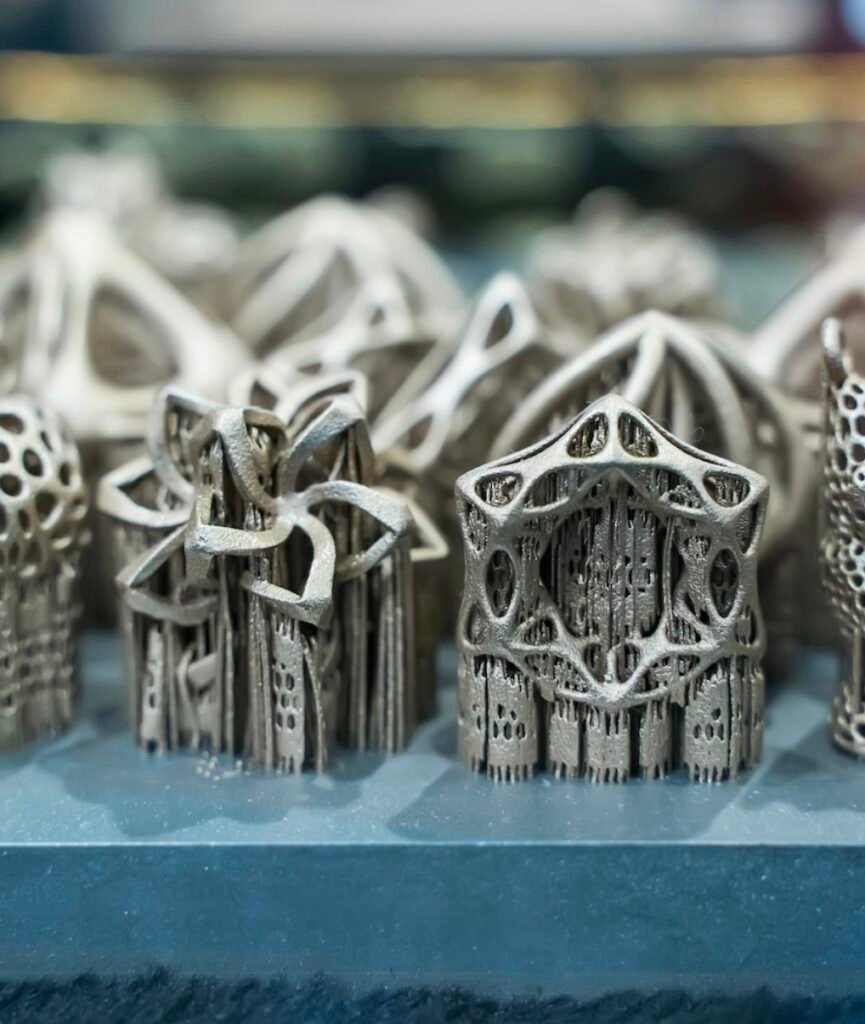
Founded in 2016, 3DEO developed a process called Intelligent Layering, which combines binder-based metal 3D printing and CNC machining. Metal powder is laid down and bound together. A cutting tool then machines the shape during the build. The finished parts later go through thermal processing, including sintering. The goal was to make small, complex metal parts at scale.
Instead of selling customers a printer and asking them to learn how to operate it, 3DEO kept the technology inside its own factories, and customers bought the parts. And that model helped 3DEO stand out. Instead of asking customers to buy and operate expensive metal 3D printers, 3DEO made the parts for them.

The 3DEO team hitting a new milestone in 2020. Image courtesy of 3DEO.
For several years, the model seemed to work. As 3DPrint.com reported in 2020, 3DEO said its revenue jumped 600% in 2019 from the previous year, while the number of parts shipped increased 394%. At the time, 35% of its parts went to medical customers and 25% to aerospace. By July 2021, the company had shipped its one-millionth production part. It said it had more than 50 customers in recurring mass production and was already booking orders into 2023.
Later that year, 3DEO said it had shipped about 1.3 million parts in total. Its Torrance operation had expanded to 80,000 square feet, with 37 printers in production and room for up to 125. The company employed 175 people at the end of 2021.
In 2022, 3DEO unveiled a new generation of its technology called Saffron. At the time, the company said it planned to bring 125 of the machines into its Torrance headquarters over three years, giving the factory potential capacity of more than 20 million parts annually. Shockingly, just a few years later, that same factory and all its potential is now being dismantled.
What Is the Technology Worth?
The technology is another important part of the sale. The package covers most of 3DEO’s intellectual property. According to Brian Testo Associates, it includes patents, trademarks, trade secrets, software, manufacturing knowledge, and materials data. It also includes information on how parts are printed and sintered, how much they shrink during production, and the properties of finished parts.
The package also includes data for four metals: 17-4 and 316L stainless steel, C110 pure copper, and Inconel 625. It also includes 19 issued patents and 10 pending patent applications, as well as engineering documents, control systems, trademarks, and domain names.
So the buyer is not just acquiring patents for a printing method. It is also getting years of manufacturing knowledge from a process that 3DEO used at industrial scale. This includes information on how different metals behave during printing and how to get consistent results. That could save another AM company or manufacturer years of development work. The initial offer for the IP and certain equipment was $3.426 million.
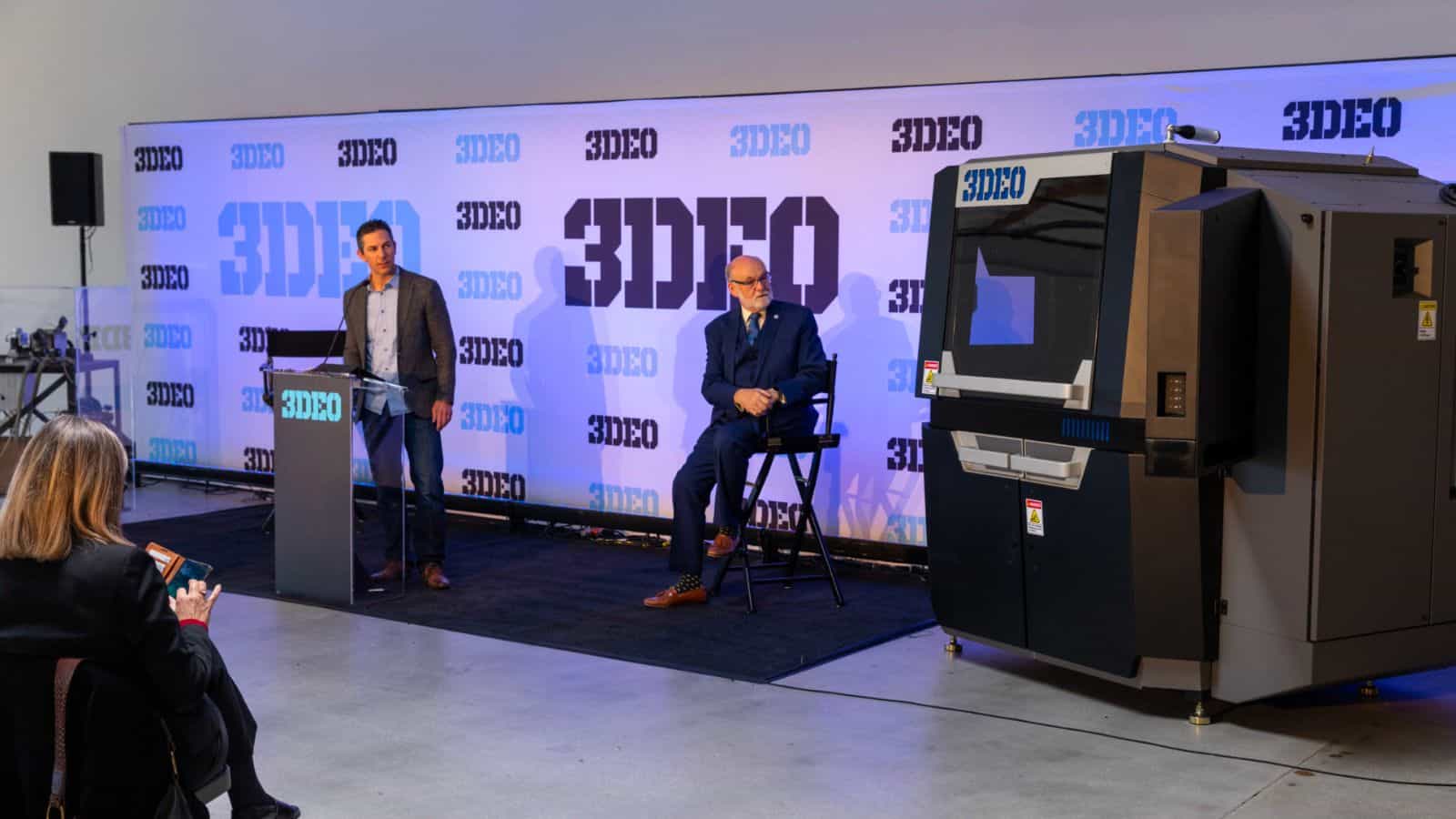
Torrance Mayor Patrick Furey on-stage with 3DEO Co-founder and President Matt Sand as 3DEO unveils its new Saffron printers and metal 3D printing technology. Image courtesy of Business Wire.
Major Investors Backed 3DEO
3DEO was not a small startup running only on seed capital. In 2019, the company raised about $31.1 million over three funding rounds. Steelmaker Gerdau also participated in a Series A investment in 3DEO.
The company later took on equipment financing. Trinity Capital’s filings show two equipment-financing deals with 3DEO in 2022. Then came a new group of strategic investors from Japan. In January 2024, the Development Bank of Japan and Seiko Epson announced investments in 3DEO to support its growth in North America and Japan. The companies did not disclose how much they invested.
IHI Aerospace followed with a strategic investment and partnership in March 2024. Again, the amount was not disclosed. The companies said they planned to work together to expand the use of additive manufacturing in aerospace. Then, in September 2024, Mizuho Bank invested another $3.5 million through its Transition Investment Facility. Mizuho said it wanted to help expand 3DEO’s technology in Japan.
By 2021, 3DEO had already raised $31.1 million over three funding rounds. Adding Mizuho’s later investment brings the publicly disclosed total to at least $34.6 million. That does not include the undisclosed investments from DBJ, Epson and IHI Aerospace.
Private-market database CB Insights puts 3DEO’s total funding higher, at about $41.68 million across 11 funding events, although several of those amounts are not publicly available. Either way, 3DEO had plenty of outside backing.
From Expansion to Liquidation
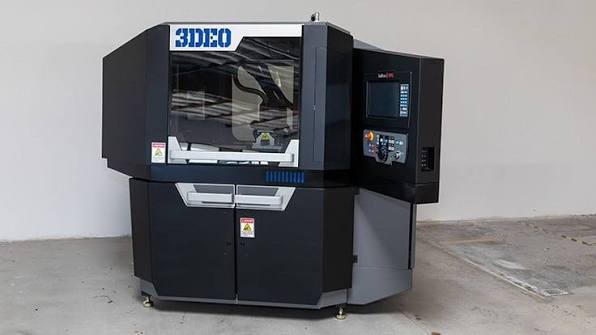
3DEO Saffron printer. Image courtesy of 3DEO.
The collapse came soon after a period of new investment and growth. In early 2024, 3DEO was announcing strategic investments from major Japanese companies and financial institutions. Then its leadership changed.
In August 2024, Scott Dennis became CEO, replacing co-founder Matt Petros, who was still a major shareholder. Dennis had previously founded manufacturing and engineering company D&K Engineering and was also a co-founder of venture firm FusionX Ventures, an investor in 3DEO. In fact, days after the CEO change, Mizuho announced its $3.5 million investment. And 3DEO was still developing its technology in 2025. In July of that year, it won an MPIF design award for a pure-copper electrical component for electronics, semiconductor, aerospace, and energy applications.
In 2025, 3DEO was also hiring engineers for its manufacturing operations. By 2026, the company had entered the creditor process. So far, there is no clear public explanation for what happened between those two points.
The sale documents do not explain why 3DEO entered the ABC process, and neither the company nor Insolvency Services Group has publicly said what went wrong. So far, there is no evidence pointing to one specific cause. What we do know is that 3DEO went from new investment and growth plans to selling its assets in a short period.
Part of a Tougher AM Market
3DEO’s collapse comes after a difficult few years for the additive manufacturing industry. Several AM companies have gone through bankruptcies, restructurings, and asset sales as funding became harder to secure.
But 3DEO had more than an early-stage technology. It had a large factory, years of production experience, and more than a million parts shipped. It also had its own machines and software, customers in major industries, and backing from large strategic investors. Still, the company was unable to remain in business on its own.
Now the business is being broken up. Its factory equipment went to auction on August 18, while its technology is being sold separately. The initial offer for the IP and certain equipment was $3.426 million. The big question now is who will own 3DEO’s technology — and how much they will pay for it.
Timeline
2016: Matt Petros, Payman Torabi and Matt Sand founded 3DEO and began developing their metal AM production technology.
2019: 3DEO raised about $14.1 million from 11 investors. The company later reported that its revenue grew 600% in 2019 compared with 2018.
2020: The company said it had shipped 150,000 production parts.
2021: 3DEO shipped its millionth customer part. By the end of the year, it had 175 employees, an 80,000-square-foot facility in Torrance, and 37 production printers.
2022: 3DEO unveiled its Saffron metal 3D printing platform and said it planned to bring 125 next-generation printers to Torrance over three years, with capacity to produce more than 20 million parts per year.
January 2024: Development Bank of Japan and Seiko Epson invested in 3DEO.
March 2024: IHI Aerospace announced a strategic investment and partnership with 3DEO.
August 2024: Scott Dennis became CEO, succeeding co-founder Matt Petros.
September 2024: Mizuho Bank invested $3.5 million in 3DEO.
July 2025: 3DEO won an MPIF Design Excellence Grand Prize for a pure-copper heat sink used in semiconductor manufacturing.
2026: 3DEO entered an Assignment for the Benefit of Creditors under California law, with Insolvency Services Group acting as assignee and selling the company’s assets.
August 12, 2026: The deadline passed for qualified competing bids on 3DEO’s IP and certain equipment.
August 14, 2026: A live auction was scheduled only if one or more qualified competing bids were received. No public source has confirmed that the auction took place.
August 18, 2026: 3DEO’s remaining factory equipment went to a separate online auction, with bidding scheduled to begin closing at 10 a.m. Pacific.