
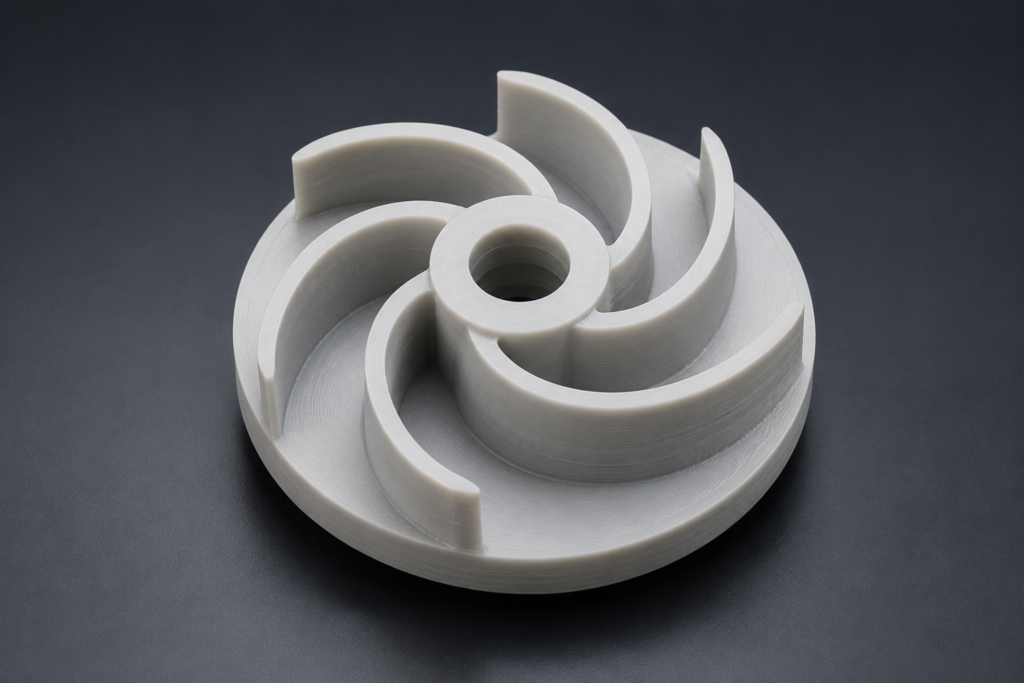
In modern agriculture, uptime matters. Irrigation systems need to keep running during key growing periods, and even short interruptions can affect crops and reduce yields. Over the past few years, 3D printing has started to play a practical role in minimizing downtime by enabling faster, localized production of essential pump and irrigation components.
The Downtime Challenge in Irrigation Systems
Traditional supply chains for pump parts — such as impellers, housings, and diaphragms — can be slow, especially during peak seasons. Lead times for replacement components often extend from several days to weeks, particularly when parts are specialized or sourced internationally. For farms and agricultural operations that rely on continuous water flow, this delay creates a significant operational risk.
Because of that, more operators are starting to look at 3D printing as a practical backup option.
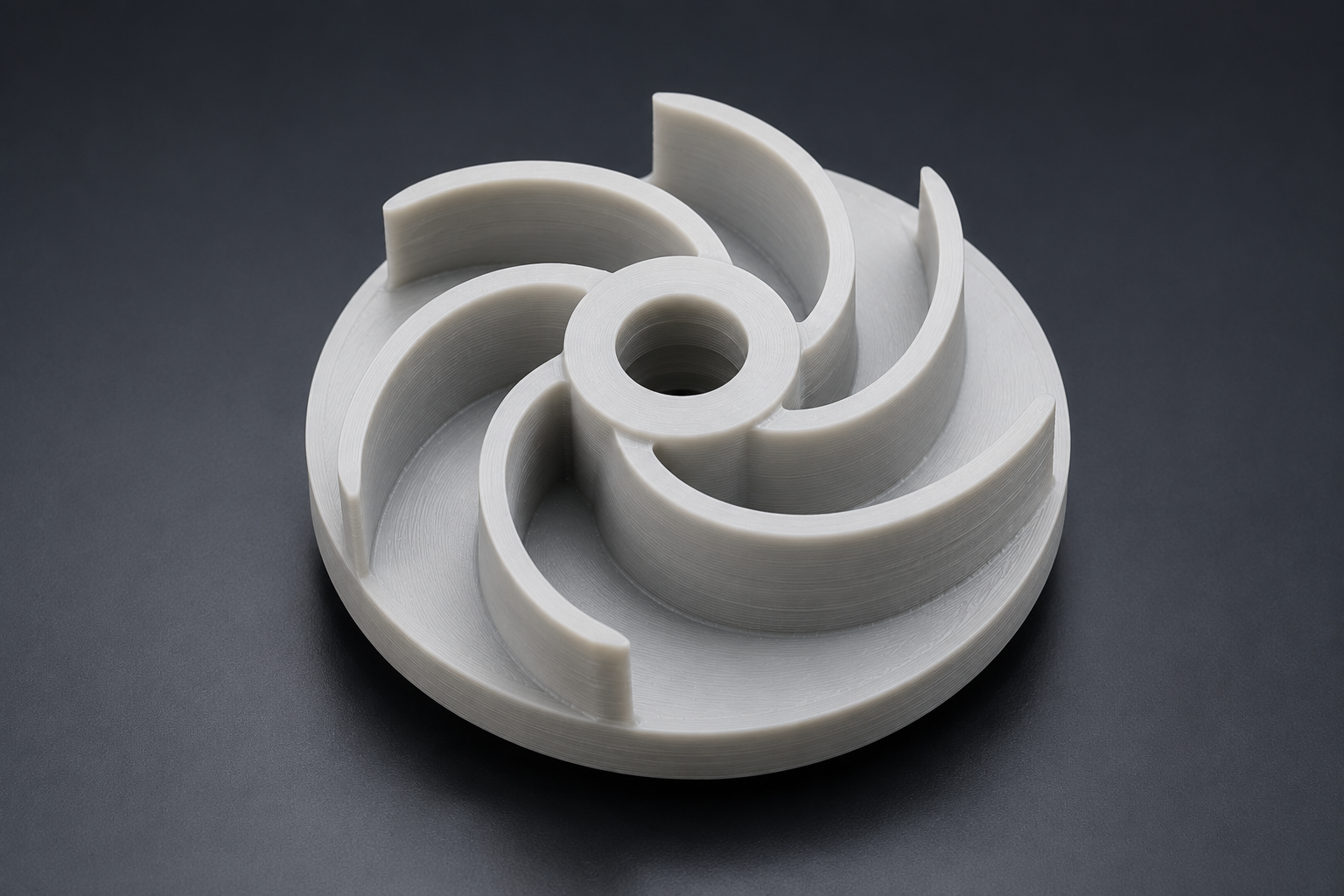
AI-generated rendering of 3D printed irrigation pump component. Rendering courtesy of 3DPrint.com.
One of the clearest uses for additive manufacturing (AM) in irrigation is producing replacement parts on demand. Instead of waiting for shipments, operators or service providers can fabricate components locally using digital designs.
For example, custom impellers used in irrigation pumps can now be reproduced from durable polymers or composites. While these 3D printed parts may not always replace high-volume industrial manufacturing, they serve as effective interim solutions that keep systems operational until permanent replacements arrive.
This can be especially useful in rural or remote areas, where shipping delays are common
Reducing Repair Timelines from Weeks to Days
In many real-world scenarios, AM has significantly reduced repair timelines. What once took 2–3 weeks for sourcing and delivery can now be addressed within a matter of days.
Some agricultural service providers are already adding 3D printing to their maintenance workflows. Keeping digital files of commonly used parts also makes it easier to respond quickly when equipment fails.
Companies that work extensively in water pump distribution and irrigation systems are observing this shift firsthand. The ability to quickly source or reproduce parts is becoming a competitive advantage in supporting agricultural clients during critical periods.
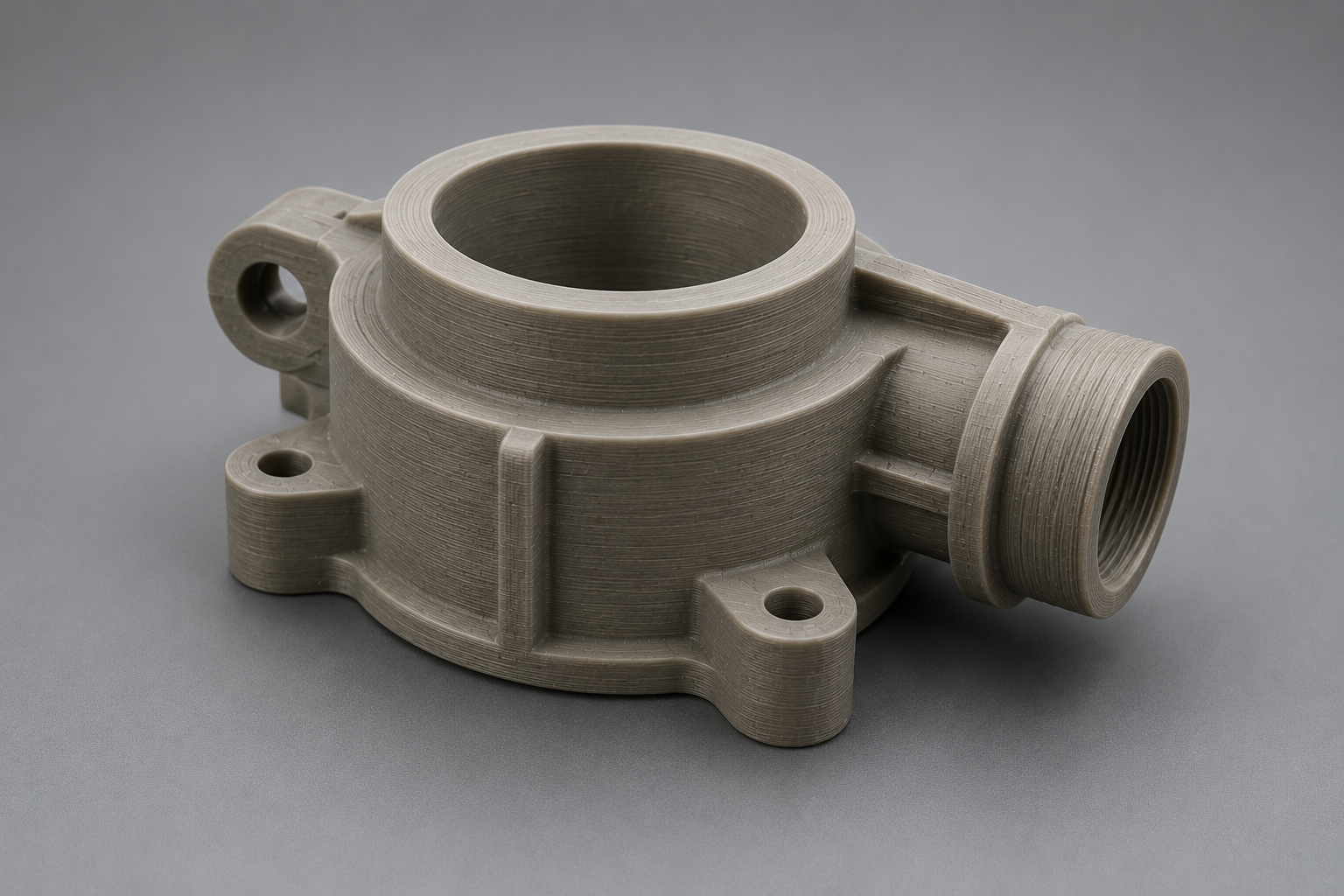
AI-generated rendering of a 3D printed pump housing created for rapid replacement and localized production in irrigation systems. Rendering courtesy of 3DPrint.com.
Diaphragm pumps, commonly used in agricultural irrigation and fluid transfer, are another area where AM is proving useful. Components such as housings, covers, and non-critical internal parts can be produced using 3D printing when standard replacements are unavailable.
Additionally, older or legacy systems — where original parts may no longer be manufactured—benefit greatly from this approach. In some cases, older components can be reverse-engineered and reproduced, helping extend the life of equipment that might otherwise be difficult to repair.
Supporting Hybrid Irrigation Systems
With the rise of hybrid irrigation systems integrating solar-powered pumps and smart controls, the need for adaptable, quickly replaceable components has increased. AM supports this evolution by enabling custom modifications and rapid prototyping for system upgrades.
For instance, brackets, connectors, and custom fittings can be designed and produced to fit specific configurations, improving system efficiency without long procurement cycles.
While AM is often associated with prototyping, its role in irrigation is now clearly operational. Farmers and service providers are not just testing concepts—they are using 3D printed components in the field to maintain continuity and reduce risk.
The biggest advantage is flexibility. Instead of being dependent solely on traditional supply chains, agricultural operations now have an additional tool that enhances resilience and responsiveness.
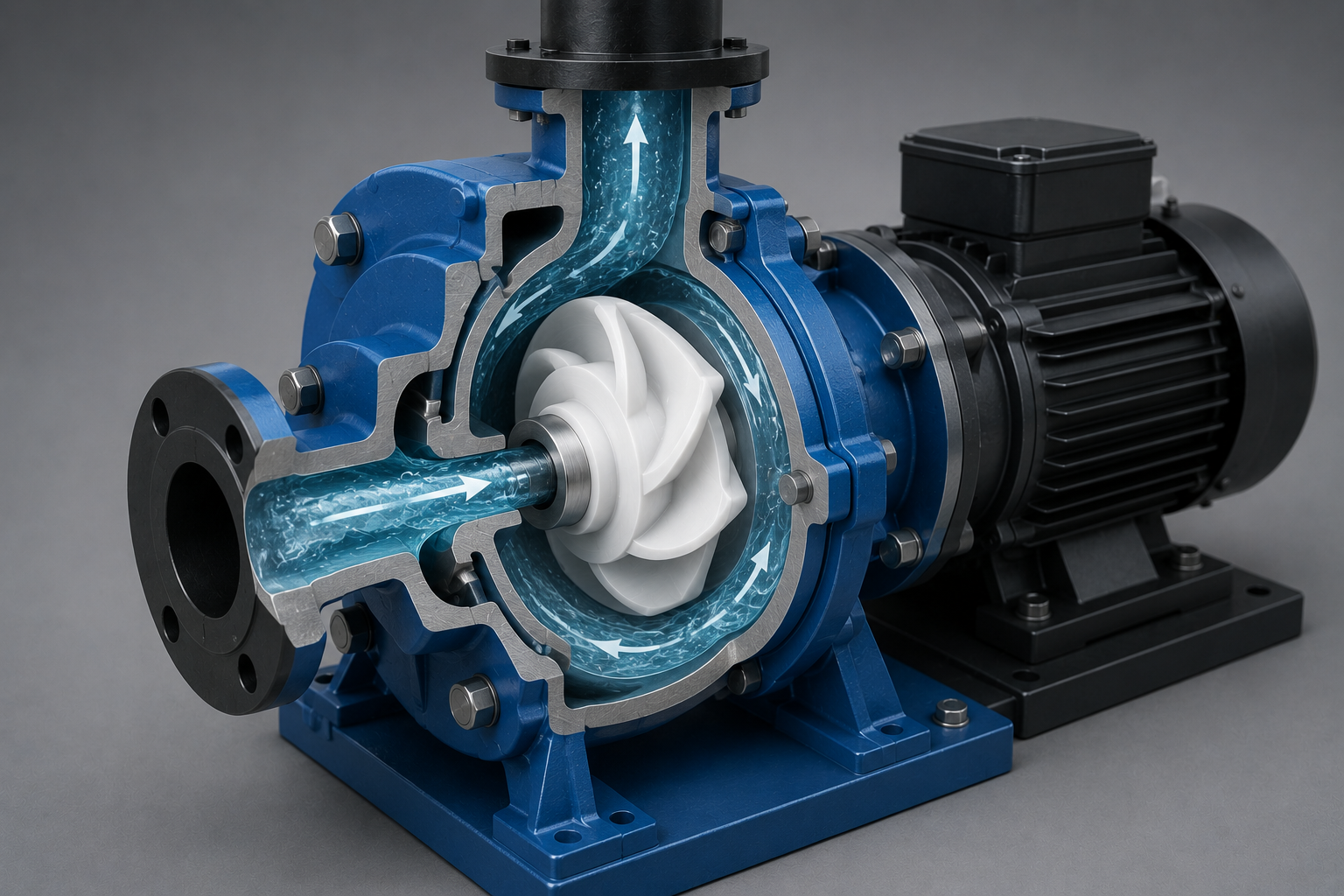
Cutaway rendering of a water pump showing a 3D printed impeller and internal flow path for agricultural irrigation applications. Rendering courtesy of 3DPrint.com.
As material quality continues to improve and access to AM becomes more widespread, its adoption in irrigation systems is expected to grow. While it may not replace conventional manufacturing for all components, it will increasingly serve as a reliable backup and support system.
In farming, even a small reduction in downtime can make a real difference. AM is proving to be a practical solution that helps keep water flowing, exactly when it matters most.
About the Author:
David Starr has been involved in the Ken’s Distribution Company for more than 10 years. He deals with residential and commercial water pumps. He is well-versed in Clean water, Lawn and Irrigation, Sump, Effluent/Sewage, Multi-purpose, Frame mount, Engine drive, Centrifugal Pumps, and CH&E Diaphragm Pumps. He specializes in water pumps and repair parts for Monarch, Franklin Electric, Red Lion Products, Generac, and CH&E (Magnum Diaphragm Pumps).