
The Government of Canada is supporting bioprinting company Aspect Biosystems with a new $280 million project to help develop and manufacture its bioengineered cellular medicines. The project will run over multiple years and is intended to move the company’s therapies closer to clinical use while expanding its production capabilities in Canada. The partnership was announced at Aspect Biosystems’ headquarters in Vancouver, British Columbia, with the Minister of Industry and Minister responsible for Canada Economic Development for Quebec, Mélanie Joly, present.
The announcement builds on an existing relationship between Aspect and the Canadian government. As part of the project, the Government of Canada is committing $79 million, with additional support from the Province of British Columbia and other partners contributing to the broader $280 million effort. The funding will be provided over time as the project progresses and is designed to accelerate the company’s work in regenerative medicine while strengthening the country’s position in biomanufacturing.
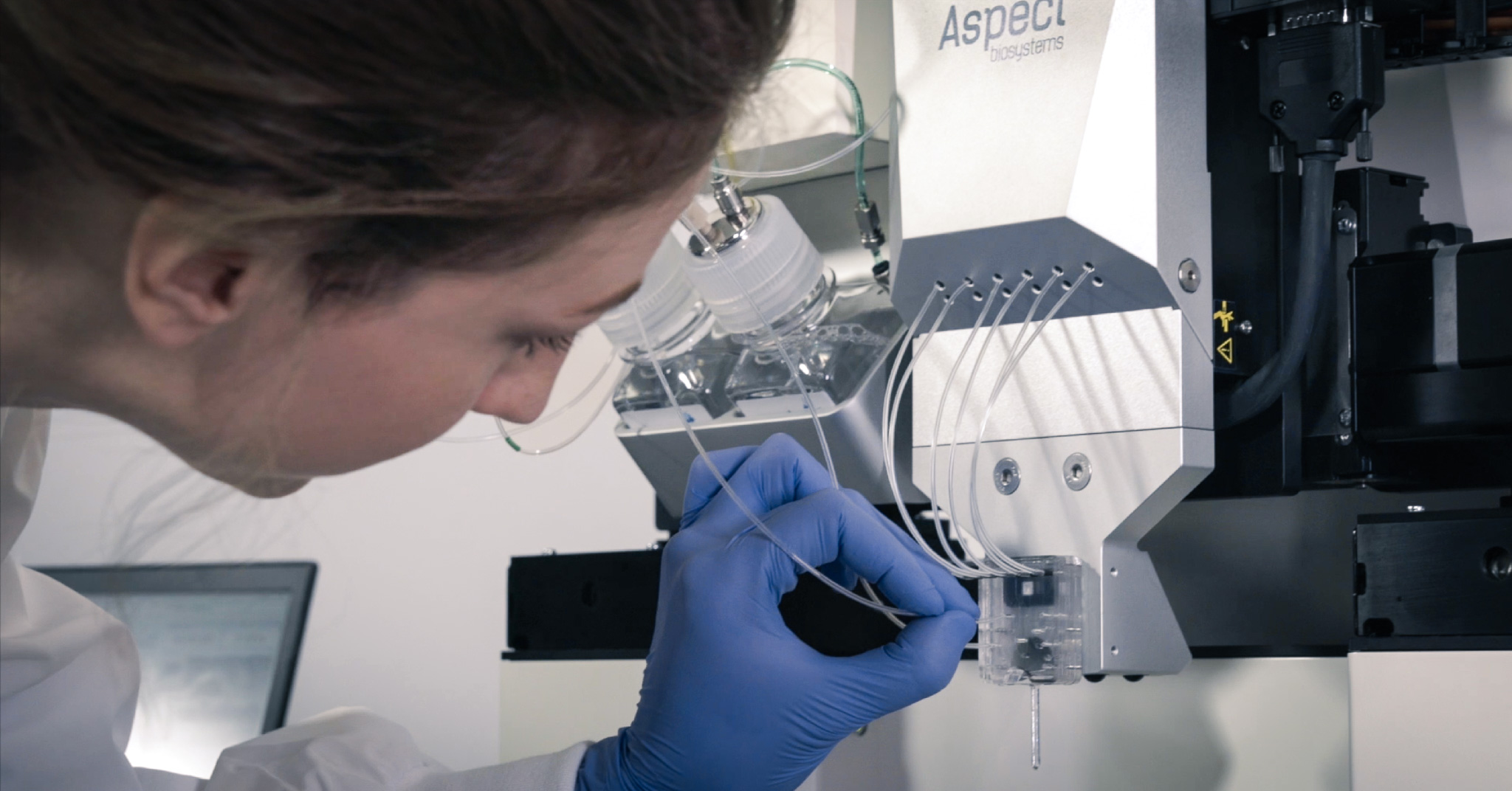
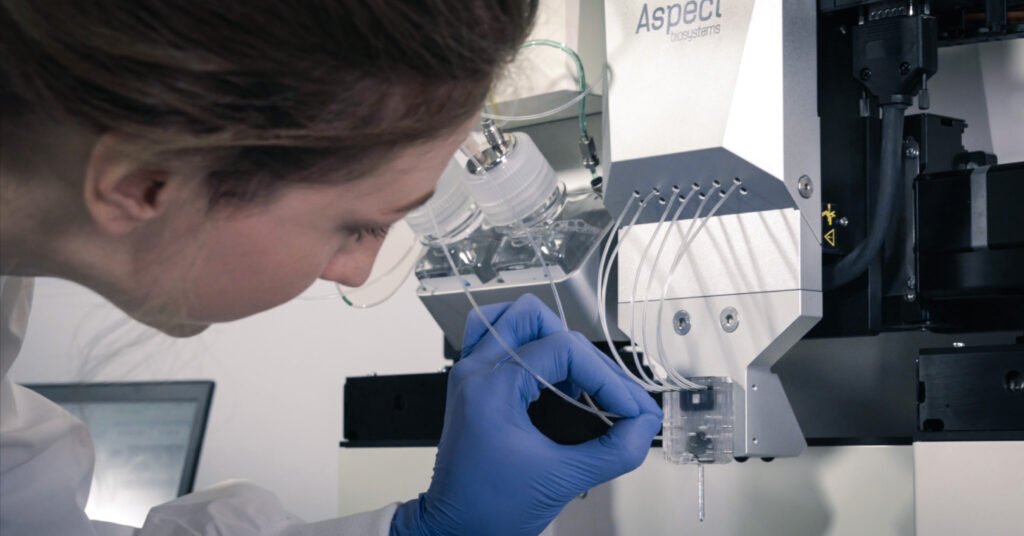
Bioprinter close up. Image courtesy of Aspect Biosystems.
The investment is part of a broader push by the federal government to expand life sciences and biomanufacturing capacity in British Columbia (B.C.). Ottawa has earmarked more than $125 million for projects in the region to support biotech companies, create jobs, and build domestic manufacturing capabilities. Canada is effectively building a life sciences hub in B.C., with companies like Aspect positioned as key players within that effort.
The event also brought together a broader group from Canada’s life sciences ecosystem, including investors, researchers, and commercialization groups. Representatives from InBC Investment Corp, a government-backed fund that has invested in Aspect Biosystems, were present alongside academic leaders from the University of British Columbia and organizations such as Praxis Spinal Cord Institute. The mix of government, research, and investment groups highlights how projects like this are being supported across multiple levels.

P3D Scaffolds produced using Ossiform’s technology to 3D print bioceramics made of beta-tricalcium phosphate. Image courtesy of Aspect Biosystems.
Aspect is developing a new type of therapy that uses living cells to restore or replace biological functions in the body. These treatments are being designed for serious conditions such as diabetes and other metabolic and endocrine diseases. Today, these conditions are typically managed with drugs, such as insulin, or in some cases, organ or cell transplants. Instead, the goal is to create therapies that can directly perform the function of damaged or missing tissue.
Over the last few years, the company has focused on building small, functional tissue structures using its bioprinting technology. These include early-stage programs aimed at creating insulin-producing tissue for diabetes and other cell-based therapies designed to replace or support damaged tissue. The work is still in development, but it reflects a shift from printing simple structures to building tissues that can perform specific functions in the body.
The company is considered one of the more established ones in bioprinting, a field where many startups have struggled to scale or have shut down. The company has focused on developing complete tissue-based therapies rather than just printing hardware, and has built partnerships with larger healthcare players, including a collaboration with Novo Nordisk on diabetes treatments. This combination of platform development, partnerships, and a focus on clinical applications has helped it continue advancing while others in the space have faced challenges.
“This investment from the Government of Canada is a powerful vote of confidence and adds to the significant momentum at Aspect as we advance our bioengineered cellular medicines towards patient impact,” said Tamer Mohamed, Chief Executive Officer, Aspect Biosystems.
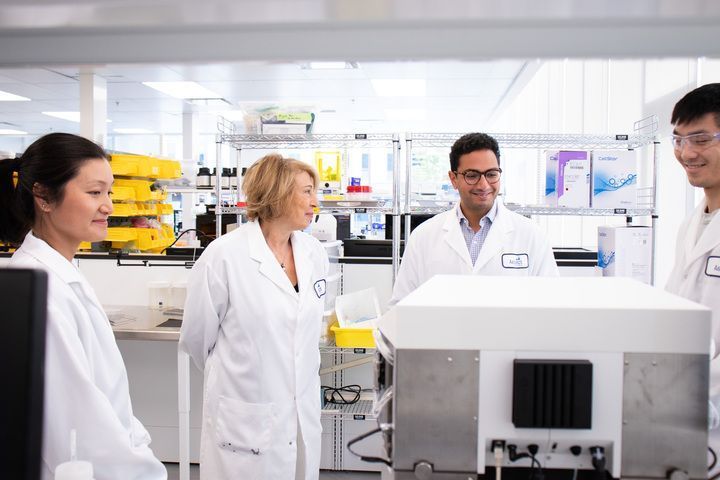
Tamer Mohamed with Dr. Mona Nemer, Canada’s Chief Science Advisor, at Aspect Biosystems headquarters in B.C. Image courtesy of Aspect Biosystems.
The new $280 million project focuses on two main areas: advancing these therapies toward the clinic and building the infrastructure needed to produce them at scale. That includes expanding clinical development capabilities and strengthening manufacturing systems that can support larger volumes of these complex treatments.
This is an important step for companies working in this field. Developing therapies in the lab is one challenge, but producing them consistently and in larger volumes is another. Governments are increasingly investing in this stage, where research moves from the lab into production.
“By investing in the development and commercialization of cutting-edge cellular medicines, our government is helping to create high-quality jobs, drive economic growth, and position Canada as a leader in biotechnology. This partnership will accelerate life-changing therapies for patients, strengthen our economy, and ensure Canadian talent continues to thrive in the innovation sector,” said Joly.
In fact, the project is also expected to create hundreds of jobs and expand training opportunities in the Vancouver region, adding to Canada’s growing life sciences workforce.
These therapies are still in development and have not yet been used in patients. Further testing and clinical trials will be required before they can reach the market.