
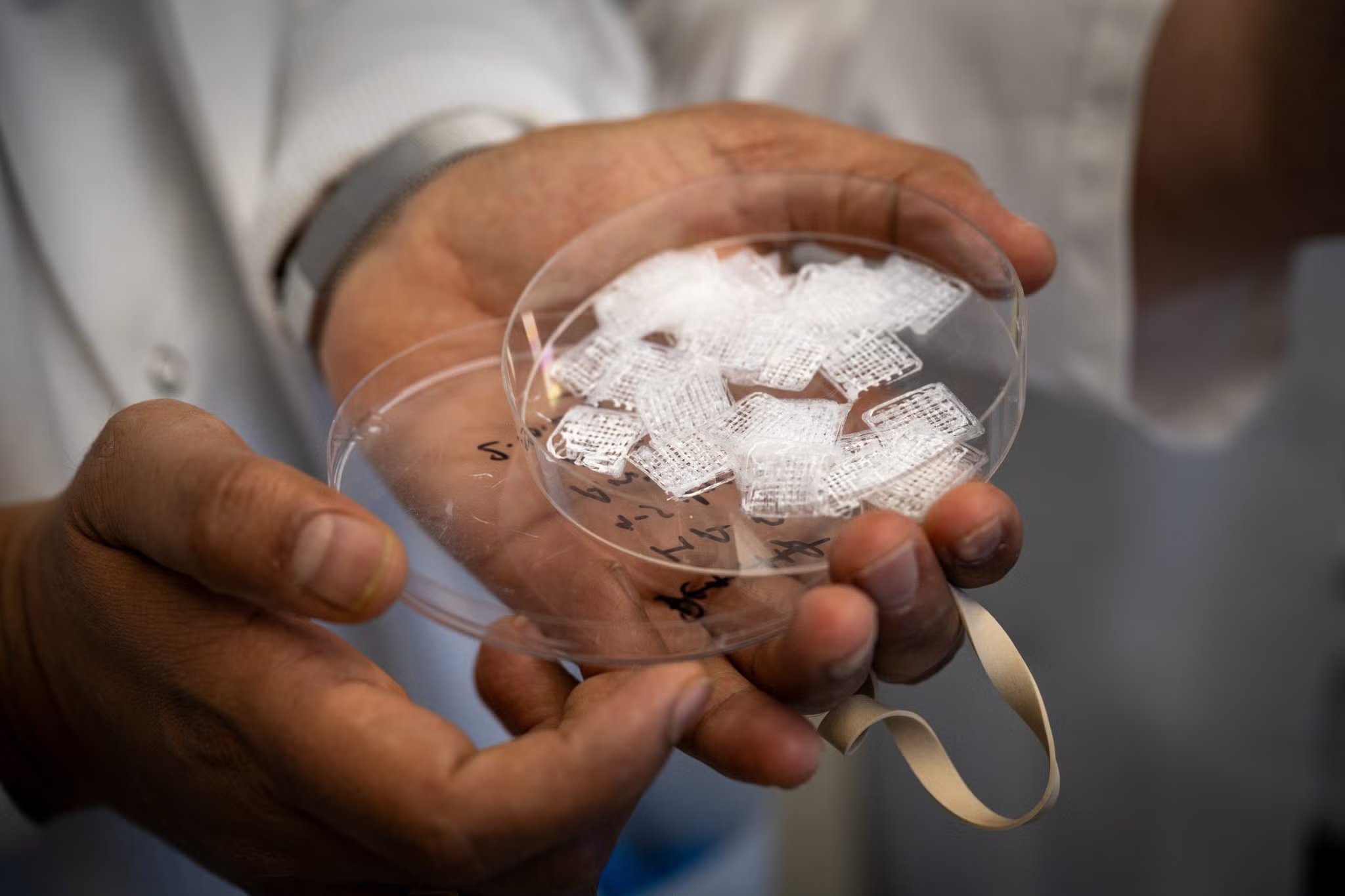
Researchers at Georgetown University are developing a new type of 3D printed bone graft designed to work more like real human bone. Instead of relying on metal implants or donor bone, the team is using natural materials to create structures that support healing and help the body regenerate bone.
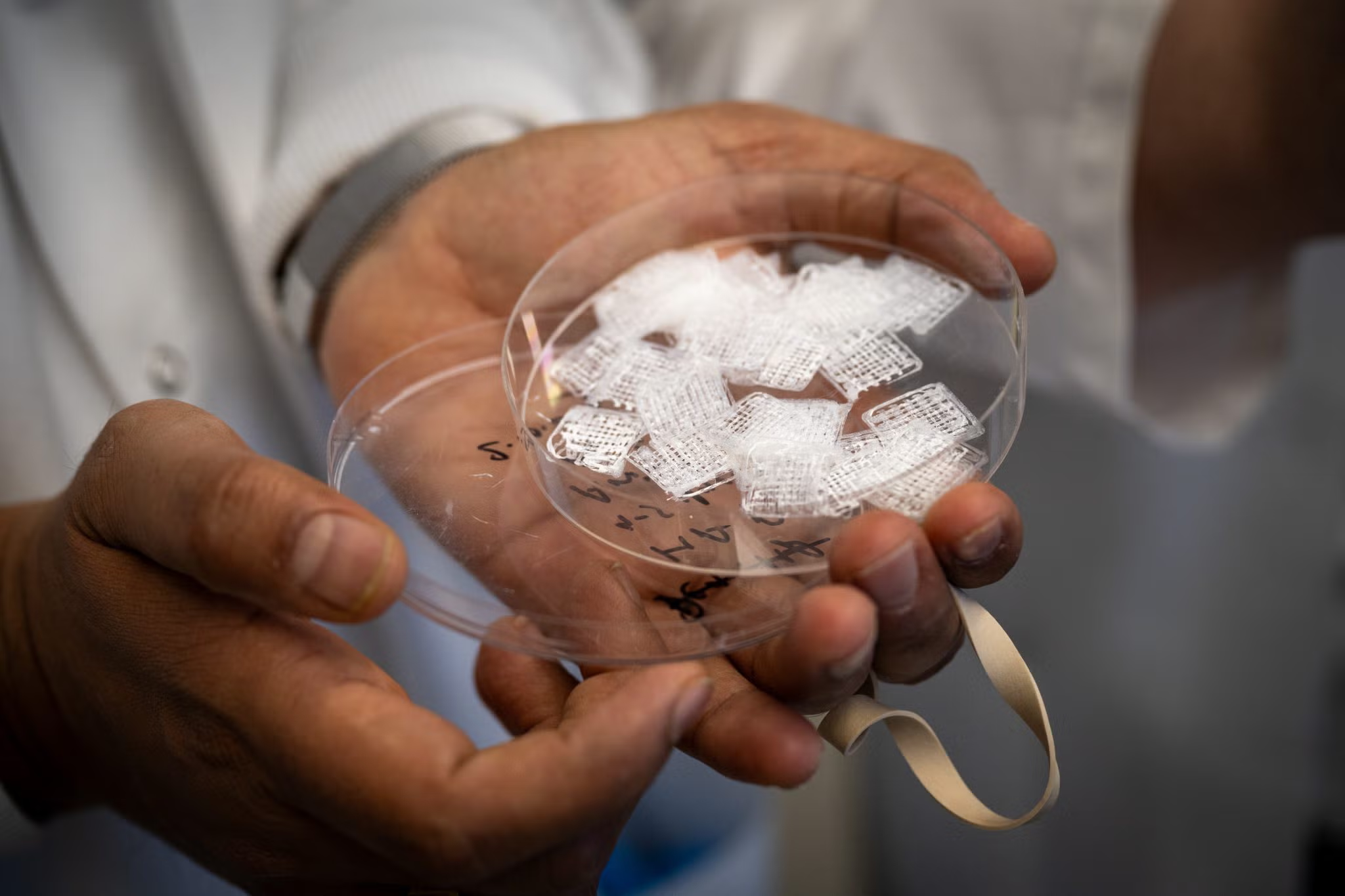
Alimperti’s pectin-based bone grafts.
Bone grafts are commonly used in surgeries to repair or replace damaged bone. This can include procedures related to trauma, cancer, or dental implants. Today, doctors generally rely on three main options: taking bone from the patient’s own body, using donor bone, or implanting synthetic materials such as metal. Each approach has its limitations. For example, removing bone from a patient can cause more pain and complications, while donor bone carries risks of rejection or disease transmission, and metal implants do not behave like natural bone. They are often harder than natural bone, so they do not flex the same way under pressure. This can change how stress moves through the area, slowing healing. They also do not support new bone growth in the same way as living tissue.
The Georgetown team is trying to solve these problems by creating grafts that are closer to real bone. Their approach uses pectin, a natural substance found in fruits, combined with minerals similar to those in bone. Using 3D printing, they shape this material into structures with small pores that look like the inside of real bone.
In this design, the pectin is placed between two layers of a bone-like material called hydroxyapatite, which is naturally found in human bone and is made mostly of calcium and phosphorus. This outer material adds strength and density, helping the graft behave more like natural bone. The team also includes living cells in the structure to support healing and allow nutrients to move through the structure. The work is mainly focused on facial bones and long bones, such as those in the arms and legs, which need both strength and the ability to heal properly.
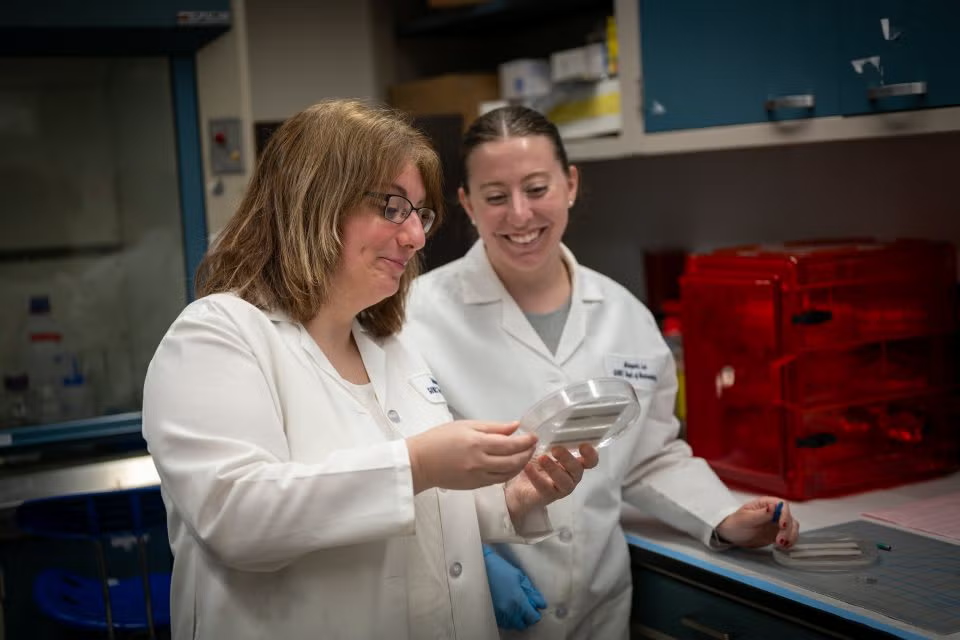
Styliani Alimperti, in her lab, is working with a team to create a bone graft using more natural materials that can make procedures safer and more successful.
“The process of making the body regenerate its own tissue is very challenging because of aging, injury, and other factors,” explained Stella Alimperti, an associate professor of biochemistry and molecular and cellular biology in the School of Medicine, where she leads a research lab focused on tissue engineering. “Engineering tissue parts or whole organs that are closer to the native ones with the proper structures and cells will help the regeneration and restoration of the tissue.”
With our technology, we want to make new grafts. We don’t want to take anything from the patient. We can create new bone tissue without having all these complicated surgeries and using metal and other parts.”
Alimperti is working with Georgetown’s Office of Technology Commercialization and has a patent pending, with the goal of eventually making the technology available to patients.
Right now, her team is focused on improving the durability and longevity of the pectin-based grafts so they can last longer in the body. Future work will also look at how to better tailor the grafts to different patients, including variations in age and sex that affect bone density and strength.
Alimperti’s pectin-based bone grafts.
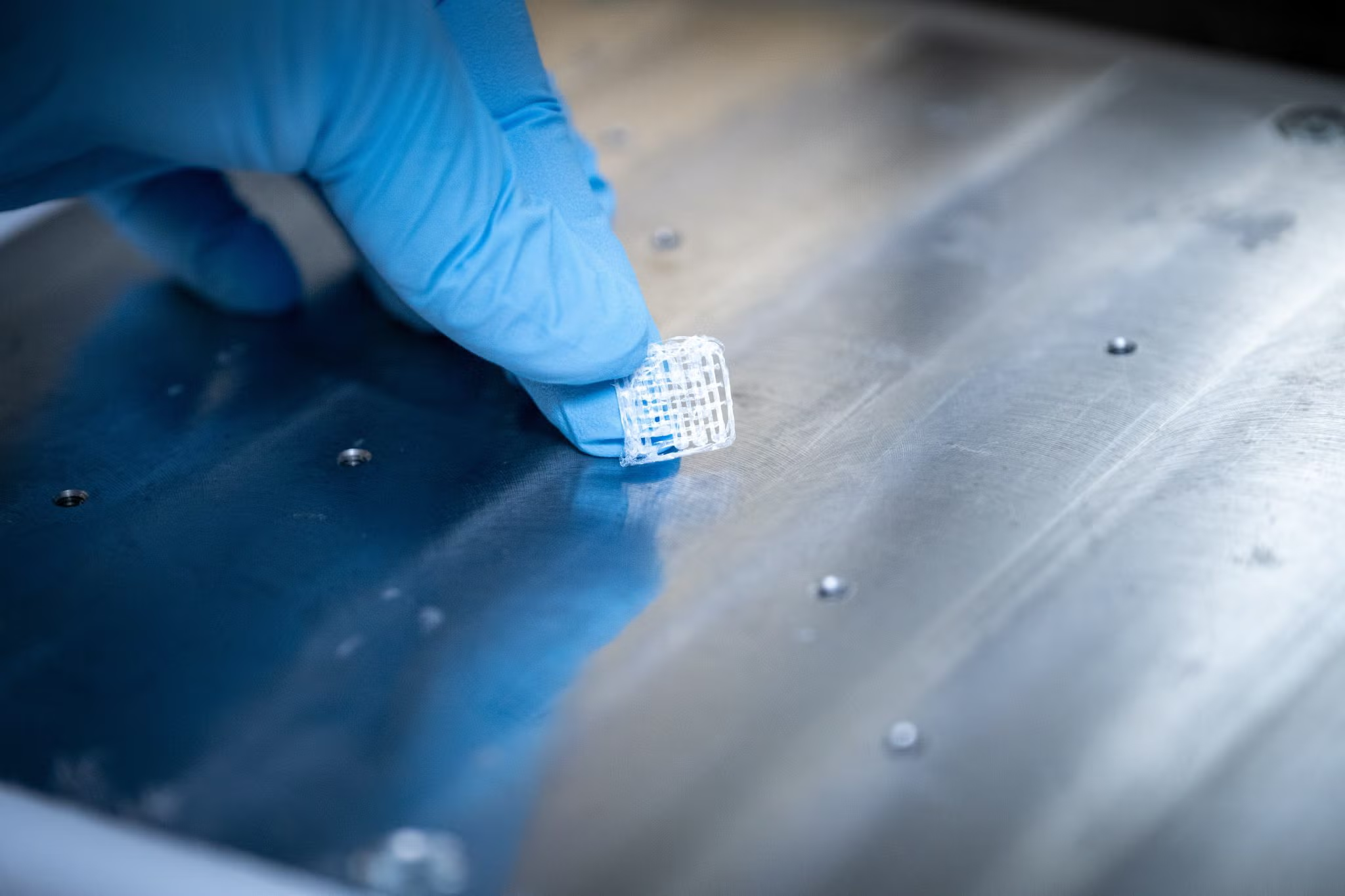
This structure is important because real bone is not solid. It contains small pores and channels that allow blood flow and help cells grow. Traditional implants, especially metal ones, do not match this structure. With 3D printing, researchers can design these features more precisely, creating spaces where cells can attach, grow, and form new tissue.
To do this, the team uses a 3D-Bioplotter, a well-known bioprinting system designed to print soft materials, gels, and cell-based structures. The technology was originally developed in Germany by EnvisionTEC and later acquired by Desktop Metal in 2021, where it has been commercialized under the Desktop Health brand until Desktop Metal’s bankruptcy in 2025. The system uses extrusion-based printing to deposit biomaterials layer by layer, making it widely used in tissue engineering and bone regeneration research.
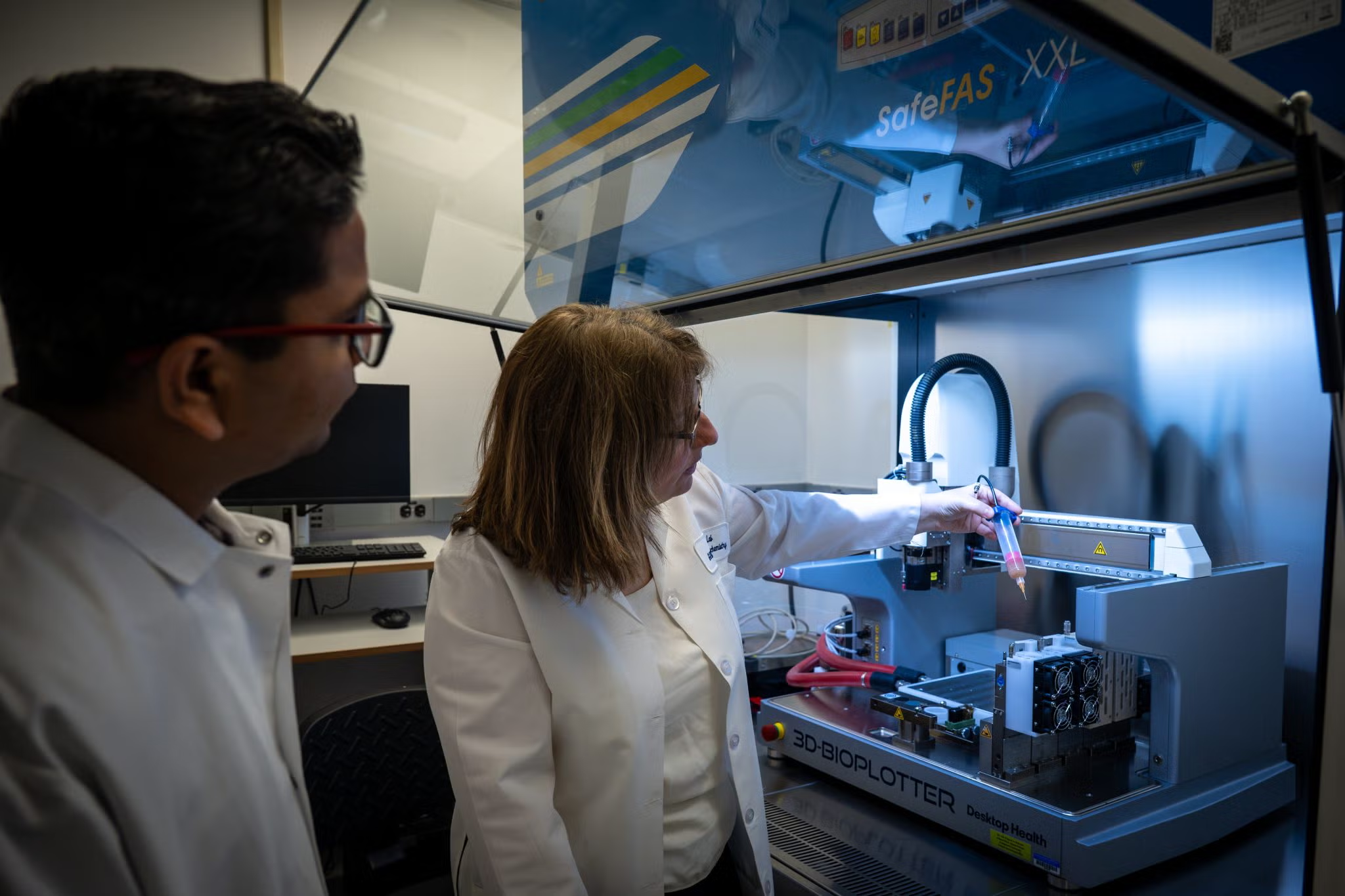
Alimperti uses a 3D-Bioplotter to create her pectin-based bone grafts.
Another part of the work focuses on how the material behaves in the body. Because it is made from natural components, it is less likely to cause a negative reaction. In some cases, the grafts can also include living cells, which can help with healing. Instead of just filling a gap, the idea is to support the body as it rebuilds bone over time.
This kind of work reflects how 3D printing is being used in healthcare today. Instead of only making fixed implants, researchers are creating structures that work with the body. In this case, the graft acts more like a scaffold, helping guide new bone growth rather than replacing it with a permanent artificial part.
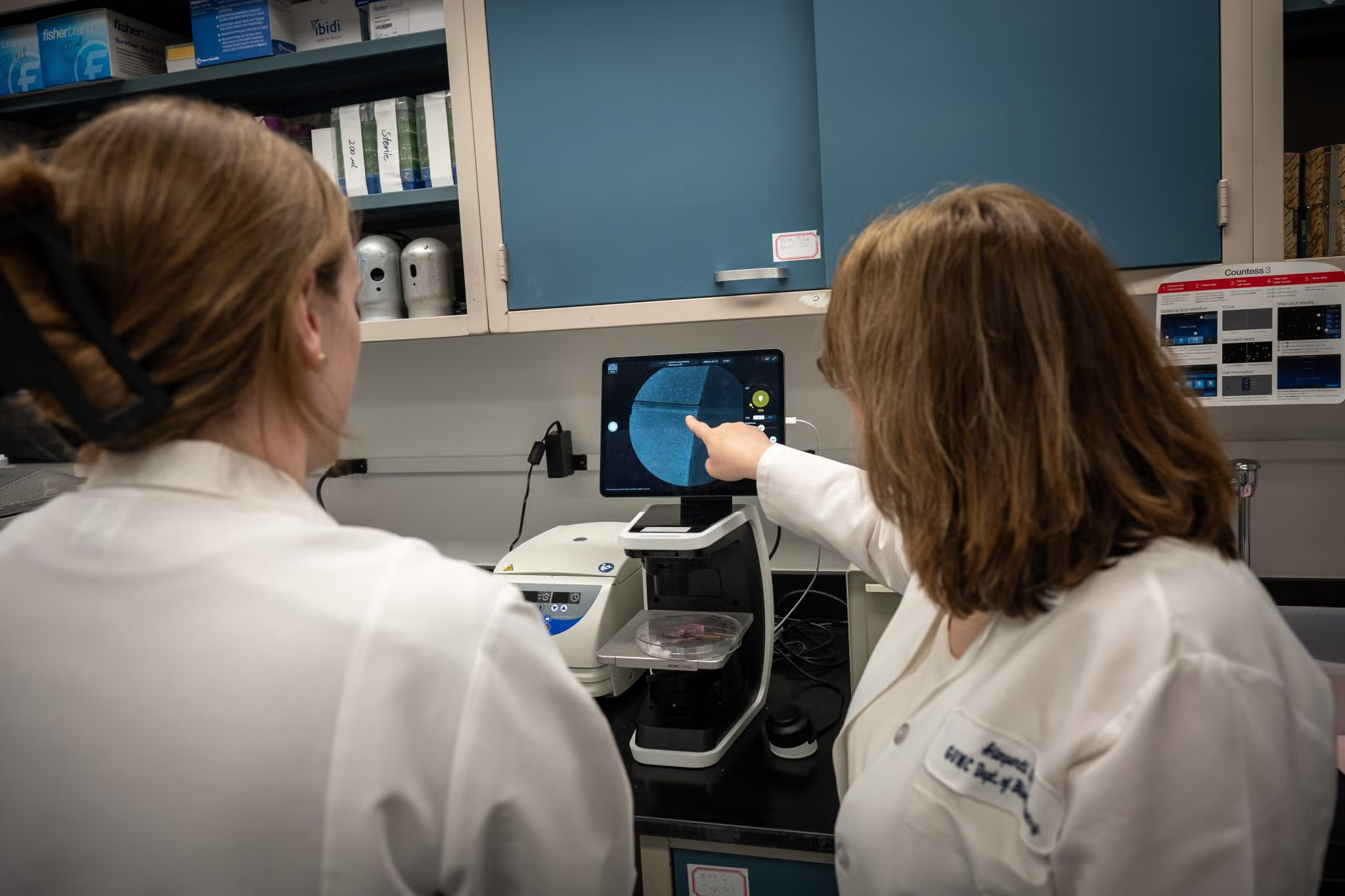
Alimperti pointing out a cell sample in her lab. Live cells are inserted into bone grafts to promote healing and nutrient flow.
This work is still at the research stage and has not yet been used in patients. Before it can be used in patients, the team still needs to do more lab testing, followed by studies to check safety and performance. If those go well, the next step would be clinical trials in people and regulatory review. This process can take several years. However, early results suggest that it could offer a safer and more effective alternative to existing options.
Some 3D printed implants are already used in patients today, especially to replace parts of the skull, jaw, or other bones damaged by injury, cancer, or surgery. But these implants are usually made from materials like titanium and are shaped to match each patient. However, newer approaches that use natural materials and aim to help the body regrow bone are still mostly in early testing.
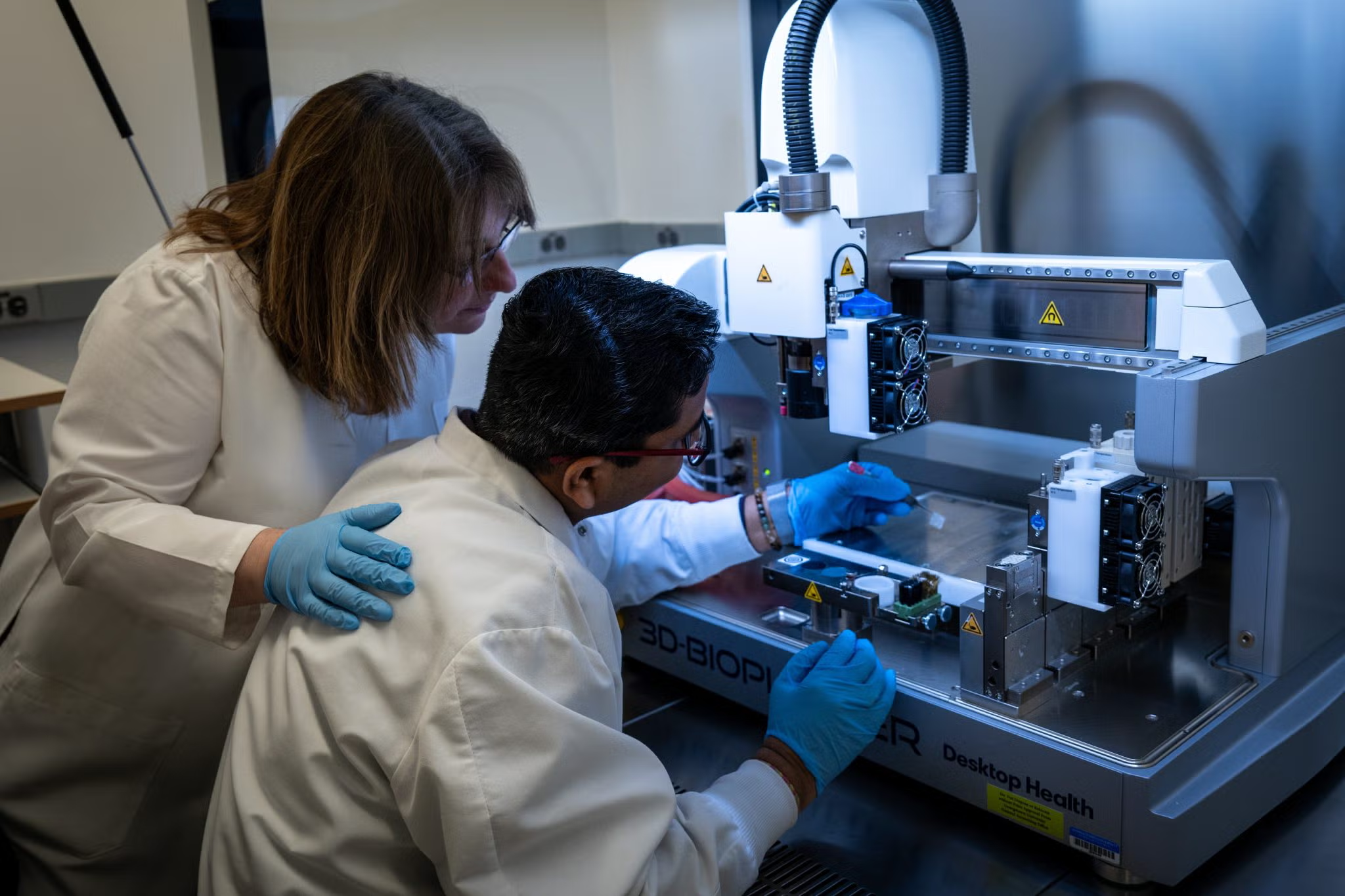
Alimperti uses a 3D-Bioplotter to create her pectin-based bone grafts.
If successful, this type of 3D printed graft could reduce the need for invasive procedures, lower the risk of complications, and improve recovery outcomes for patients. Regenerative approaches are not new, but 3D printing and bioprinting have given researchers more control over how these structures are designed and how they support healing. While the technology is still under development, it focuses on designing structures that support bone growth rather than simply replacing it.
Images courtesy of Georgetown University