
Last year’s Superman film had a lot going for it. A new director, James Gunn, who came over from Marvel after the success of his Guardians of the Galaxy trilogy, brought a new direction to DC Studios. It was a fresh tone for the superhero powerhouse that is DC. New characters, new ideas, and yes, even a superdog.
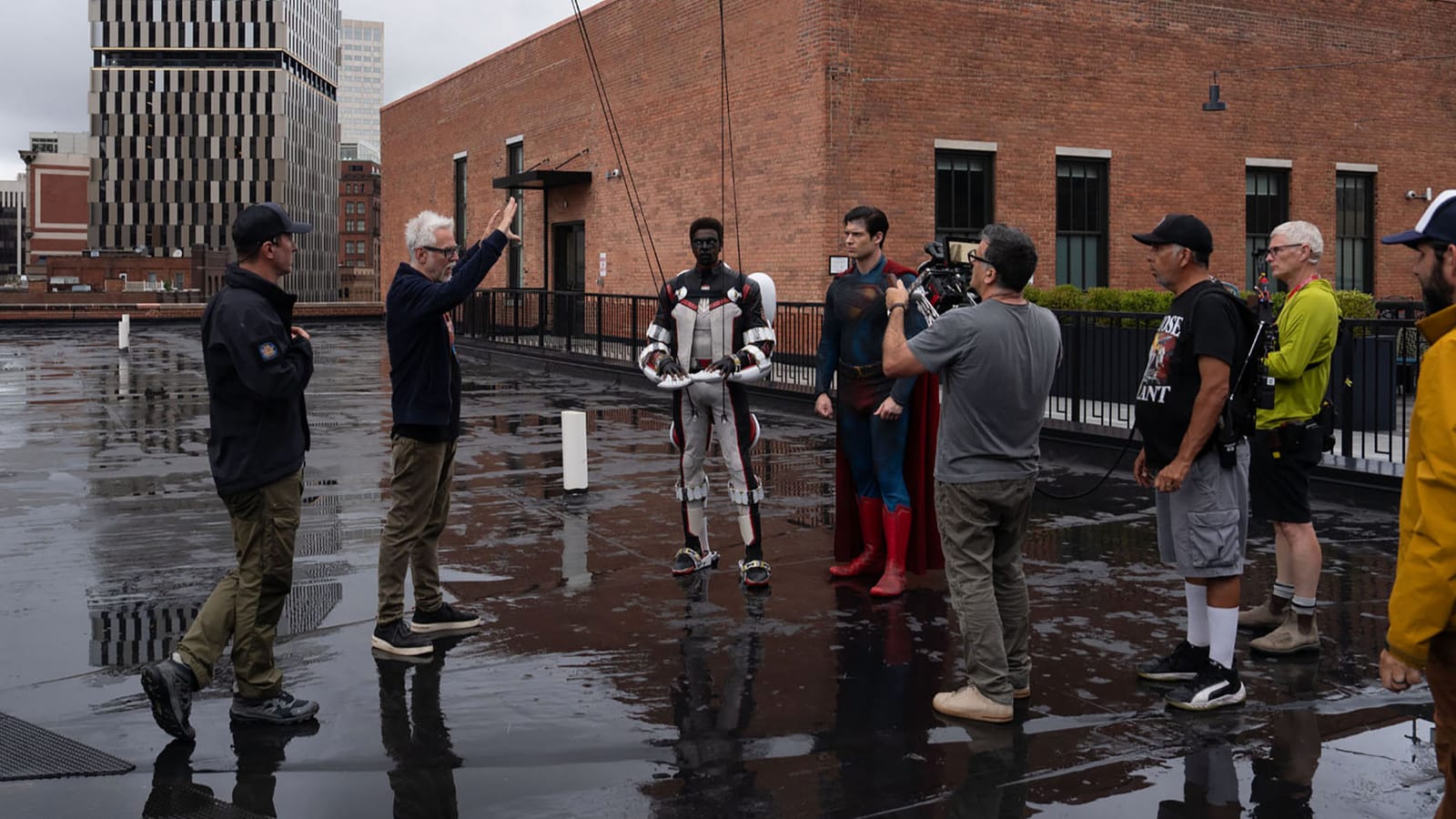
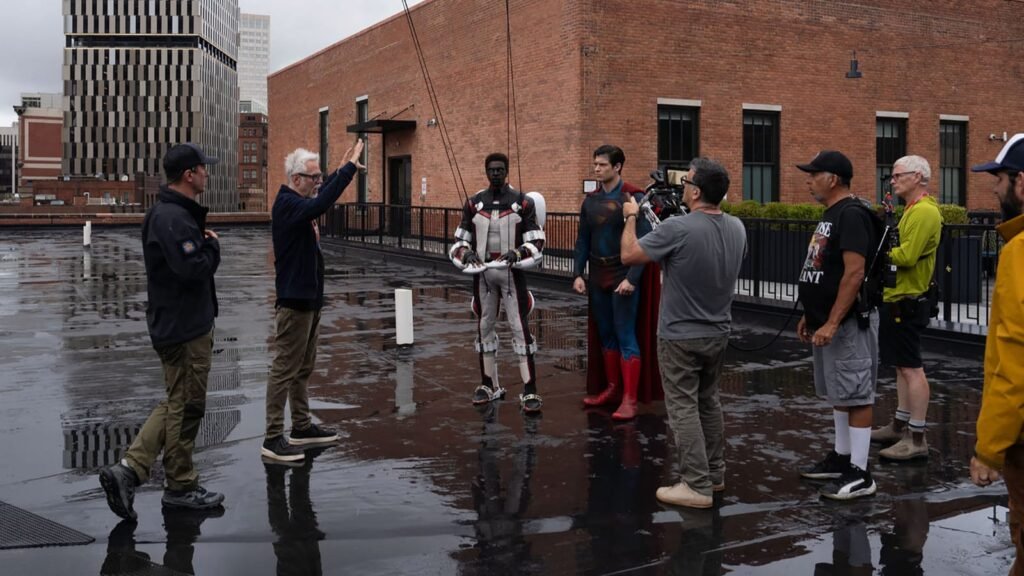
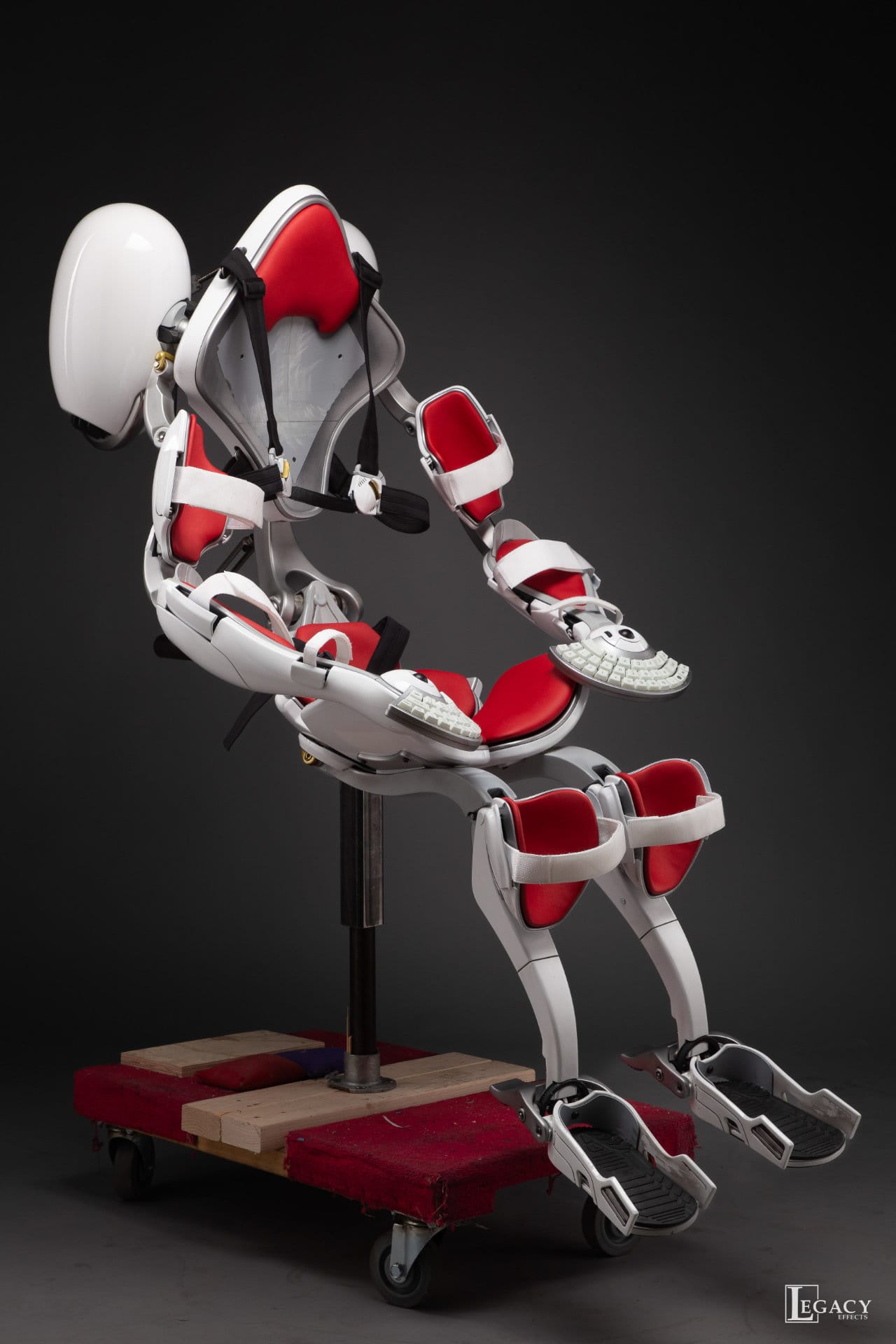
Director James Gunn on the set of Superman 2025; Mr. Terrific’s flying seat is fully 3D printed.
Truly, there was plenty to talk about. It also worked at the box office, opening to around $220 million globally and giving DC a much-needed win. But one of the more interesting parts of the film’s story happened behind the scenes. And although it didn’t make the headlines, 3D printing played a key role in how the film came together.
Most people watching the movie aren’t thinking about who built the suit, the robots, or the creatures, but that’s where a lot of the real work happens. The team behind those physical elements is Legacy Effects, a studio that has spent years building props, suits, and animatronics for major films, like Iron Man, Jurassic World, and Avatar.
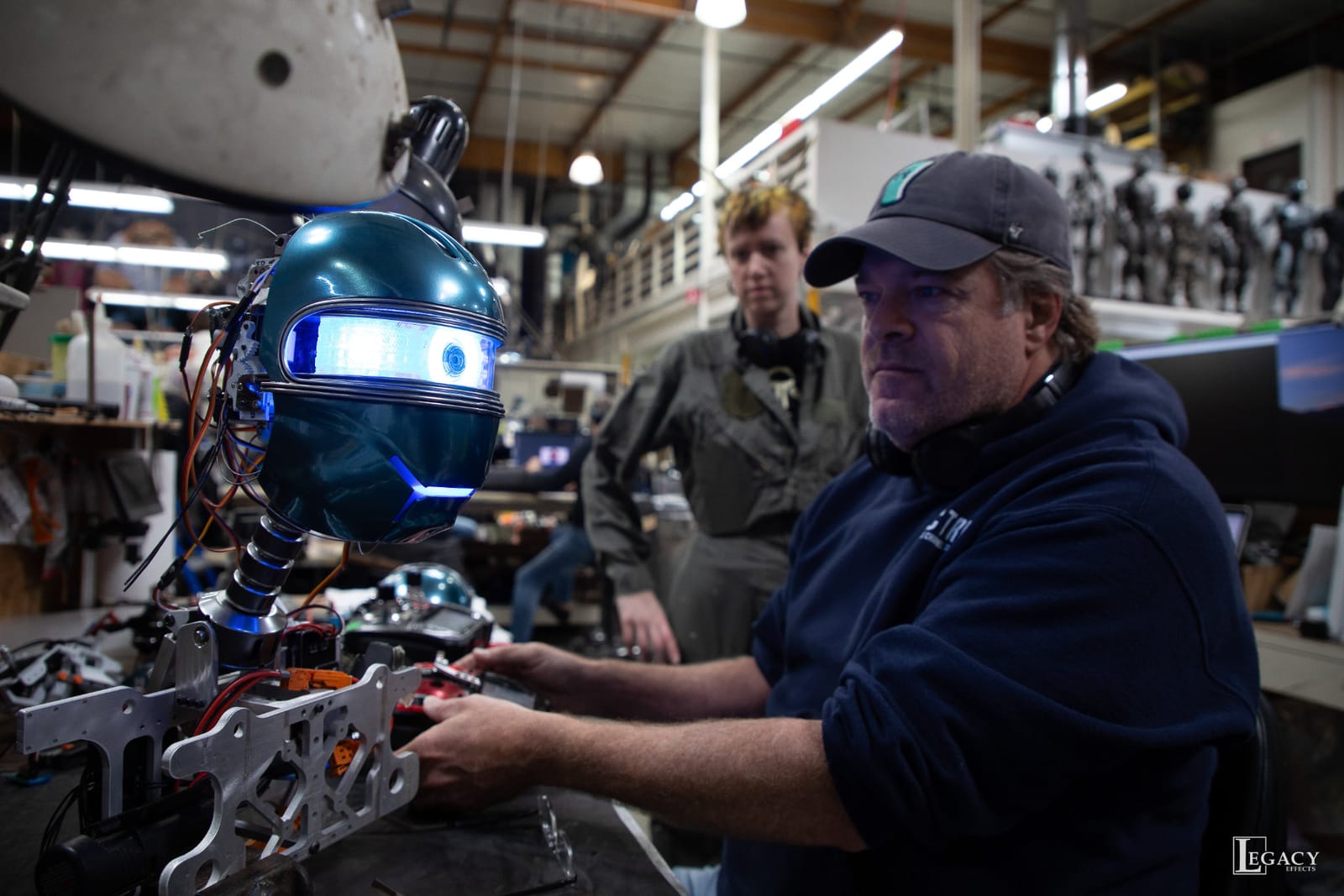
The engineer is installing the internal structure of the Animatronic Robot.
During the production of Superman in 2025, the team made a shift in how they worked, bringing in a group of printers from Bambu Lab, at first just to test and maybe speed up a few steps. But that didn’t last long, and what started as a small experiment quickly spread across the full workshop, as more parts were printed, more teams began using them, and the printers moved from being just another tool to something much more central to how the film was made.
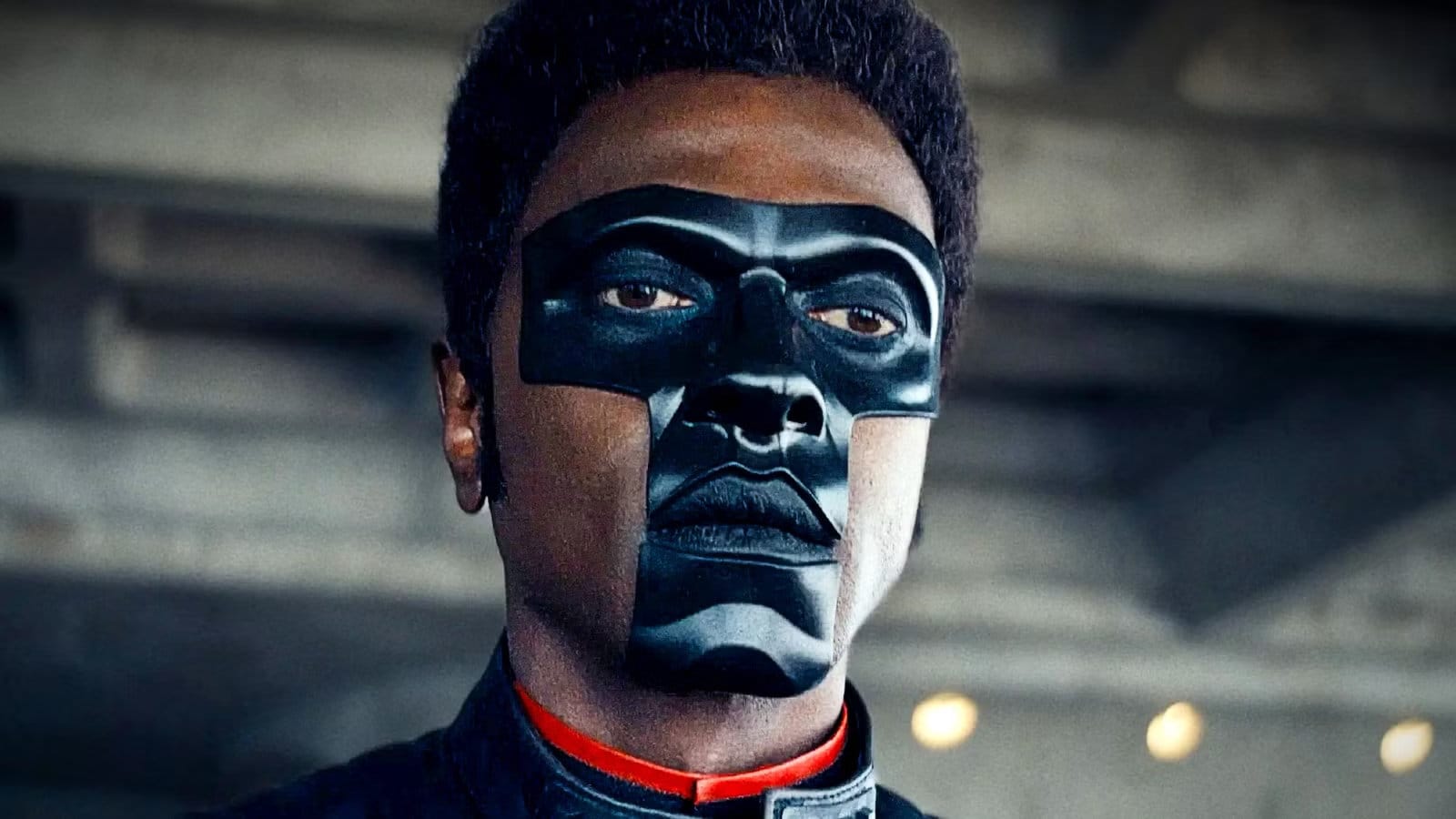
Mr. Terrific’s T-shaped mask in the movie was printed by Bambu Lab’s 3D printer with TPU.
From prototypes to real parts
For years, 3D printing in film meant choosing between speed and quality. Fast prints were good for testing, but anything meant for the camera usually had to be made again using slower processes. In many cases, that meant switching to technologies like SLA or MJF just to get the surface finish right. That often meant printing the same part twice, once to test and once to get the finish right.
What changed here is that this gap started to close. With Bambu Lab’s X1C platform, parts could be printed quickly while still achieving a surface quality that was good enough for many on-set uses. Parts were not only quick to make, but also clean enough to use, and in some cases could go straight to the set without any extra work.
So, building a superhero’s world, piece by piece, became faster, easier, and much more flexible.
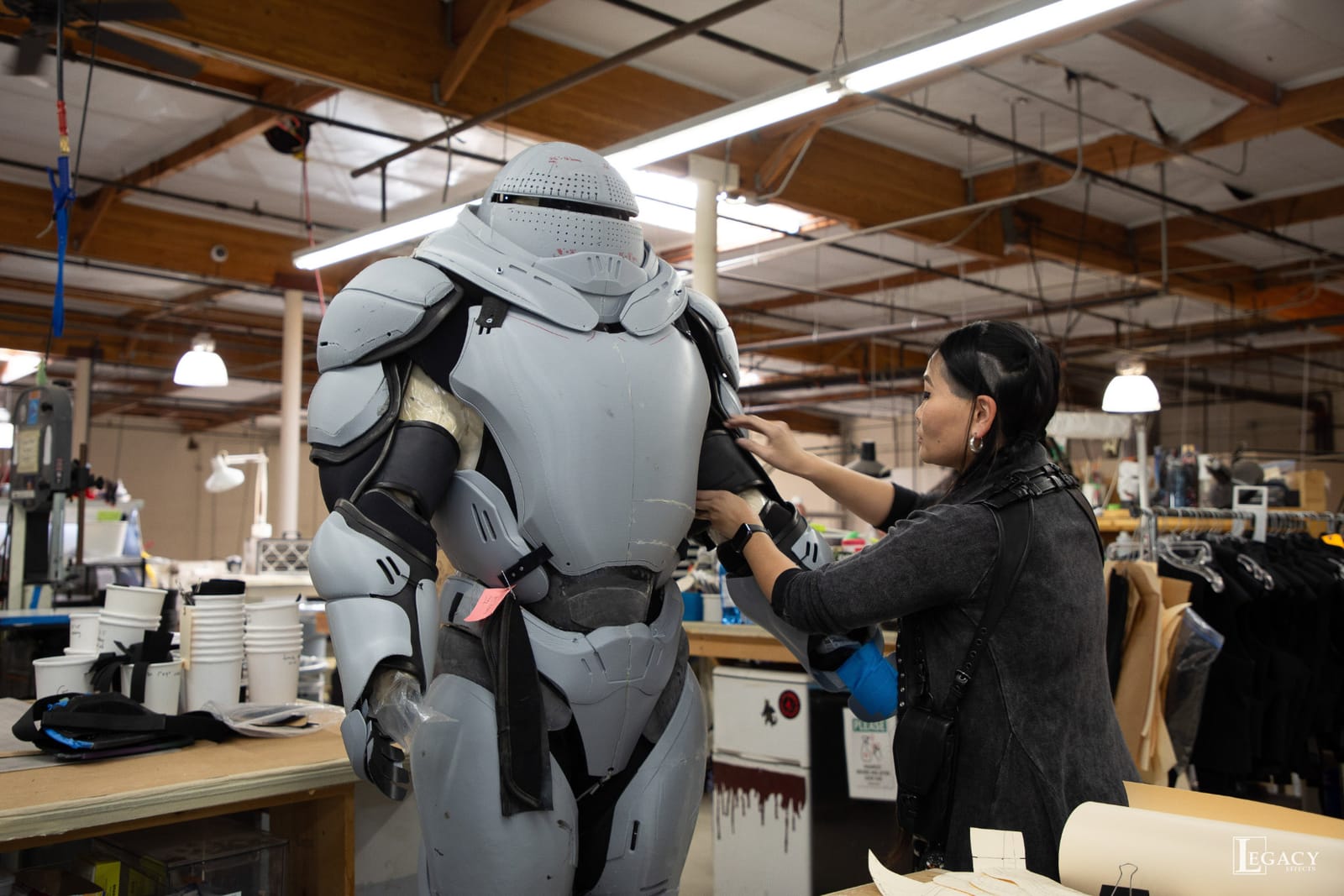
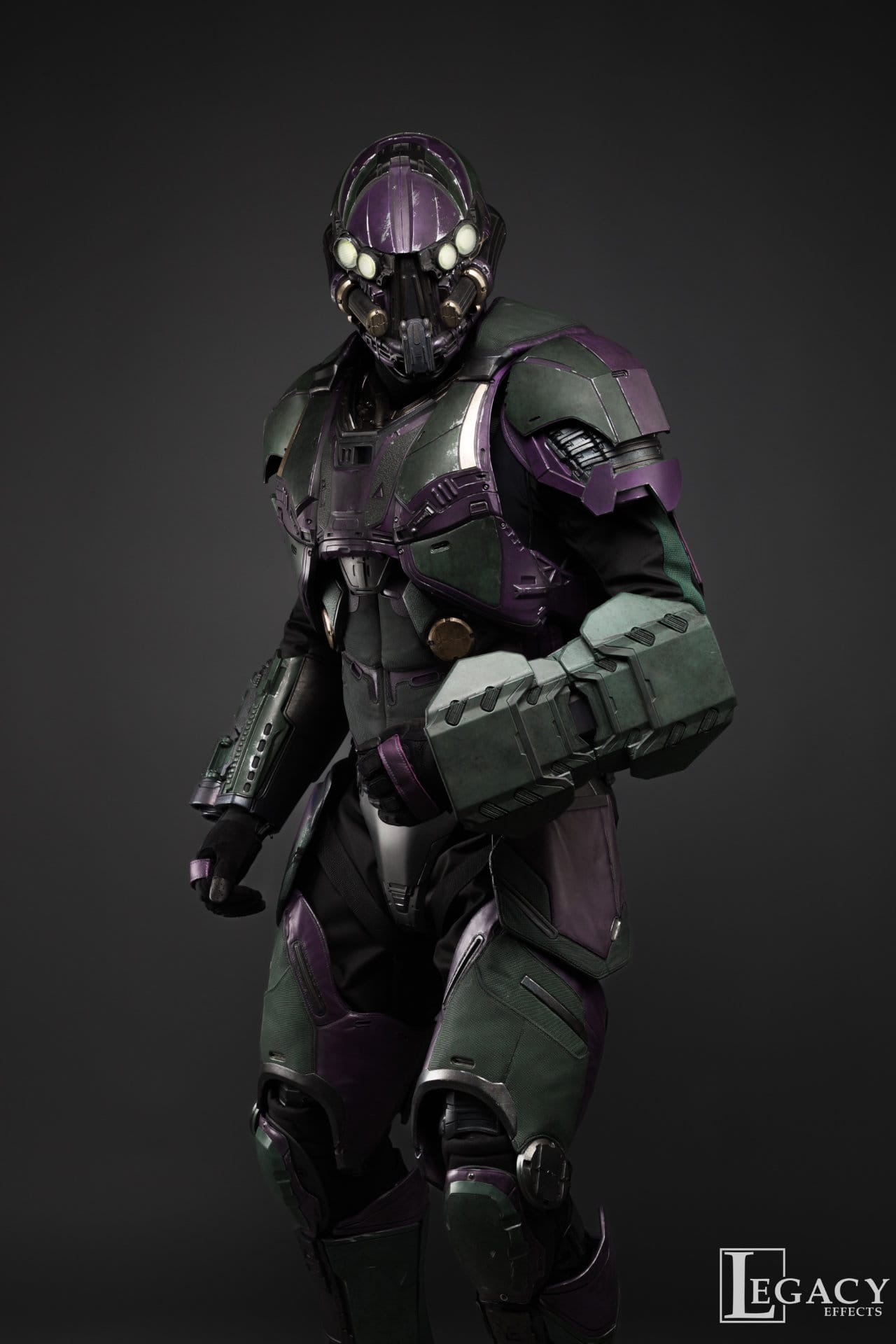
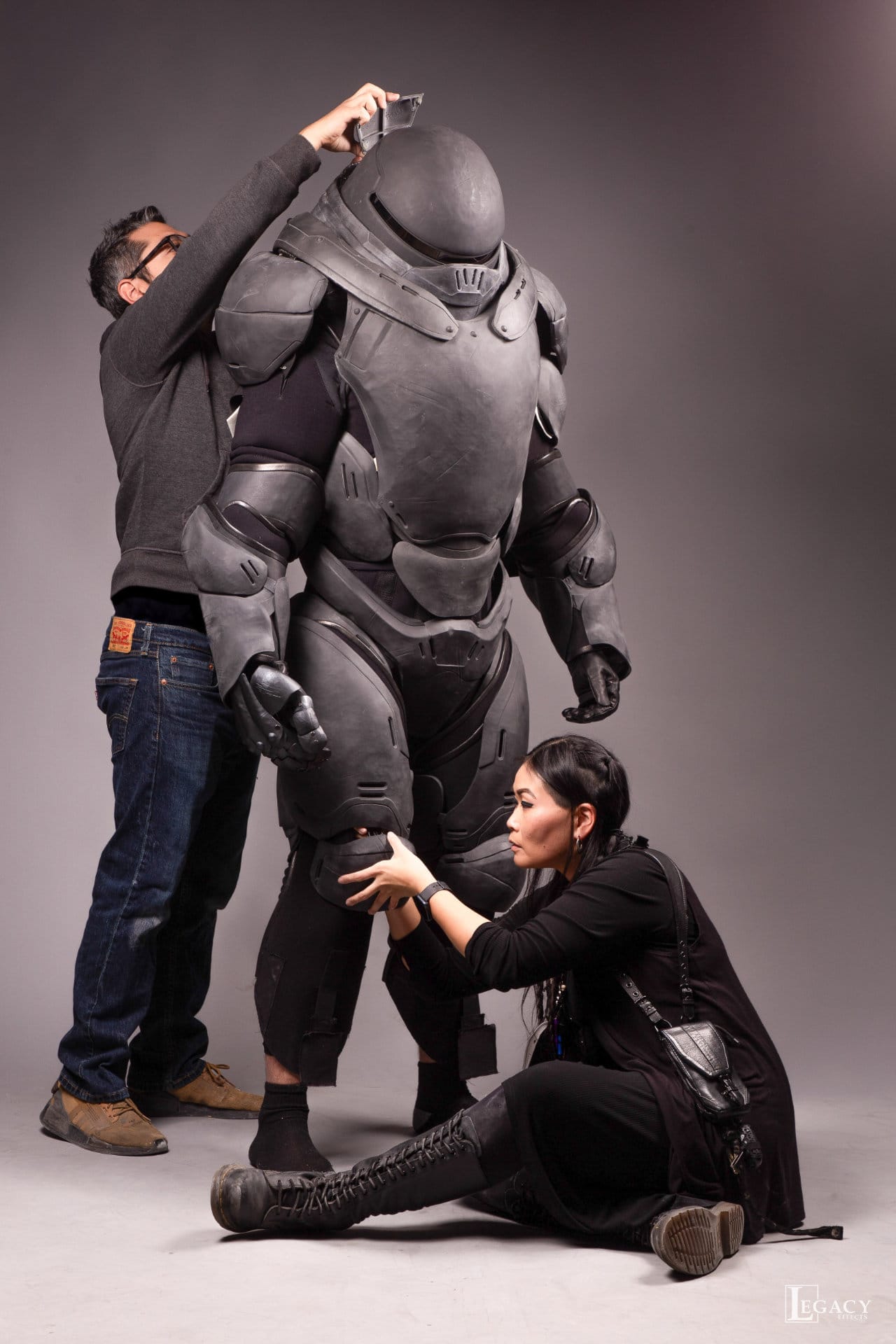
Hammer of Boravia armor, 3D printed but not yet surface finished.
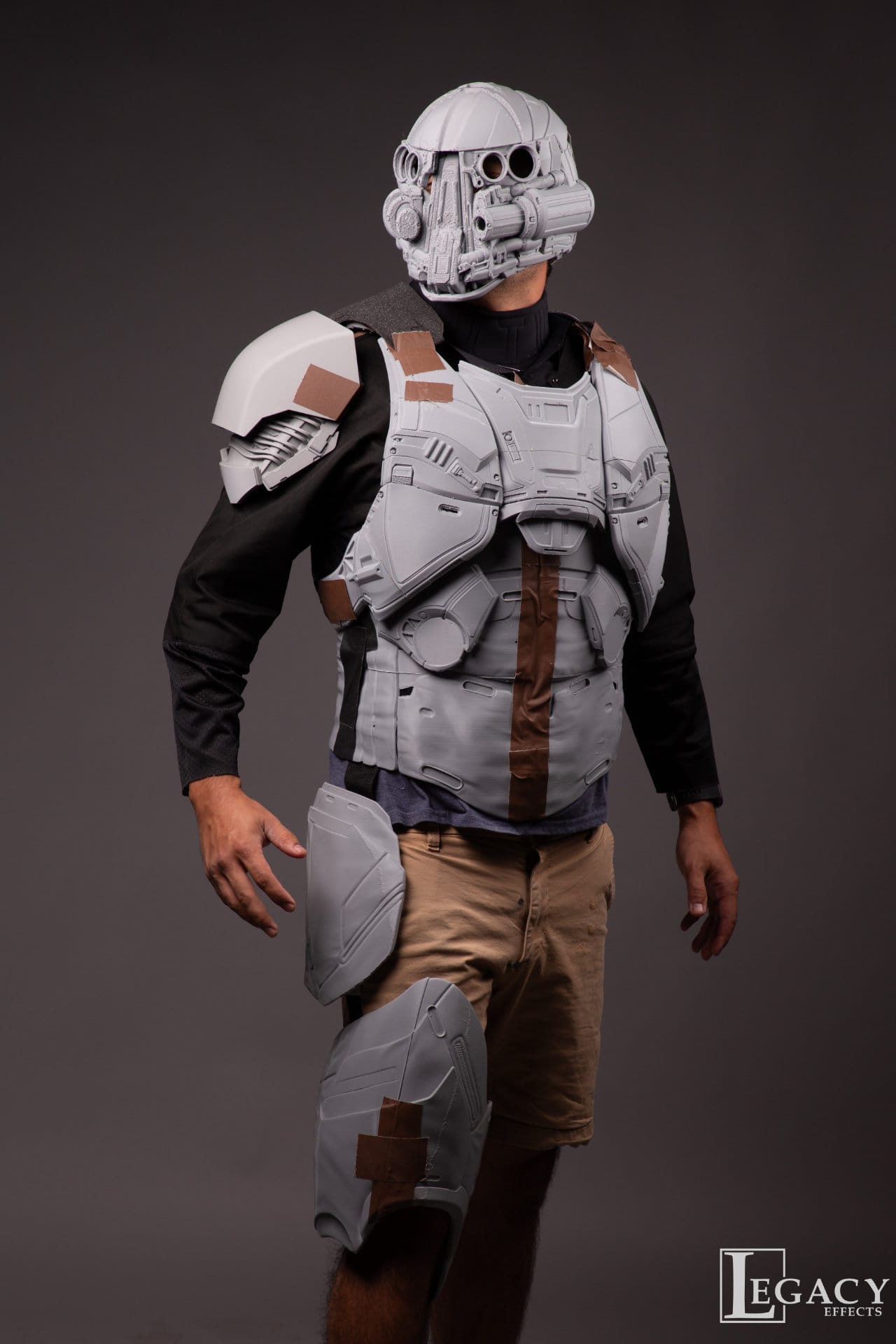
This move showed up everywhere. Entire suits, like the Hammer of Boravia and the LexCorp Raptors, were printed, fitted to stunt performers, adjusted, and printed again, sometimes all in the same day. Instead of waiting days for a new version, teams could test ideas almost right away. What used to take days of iteration could now happen in hours.
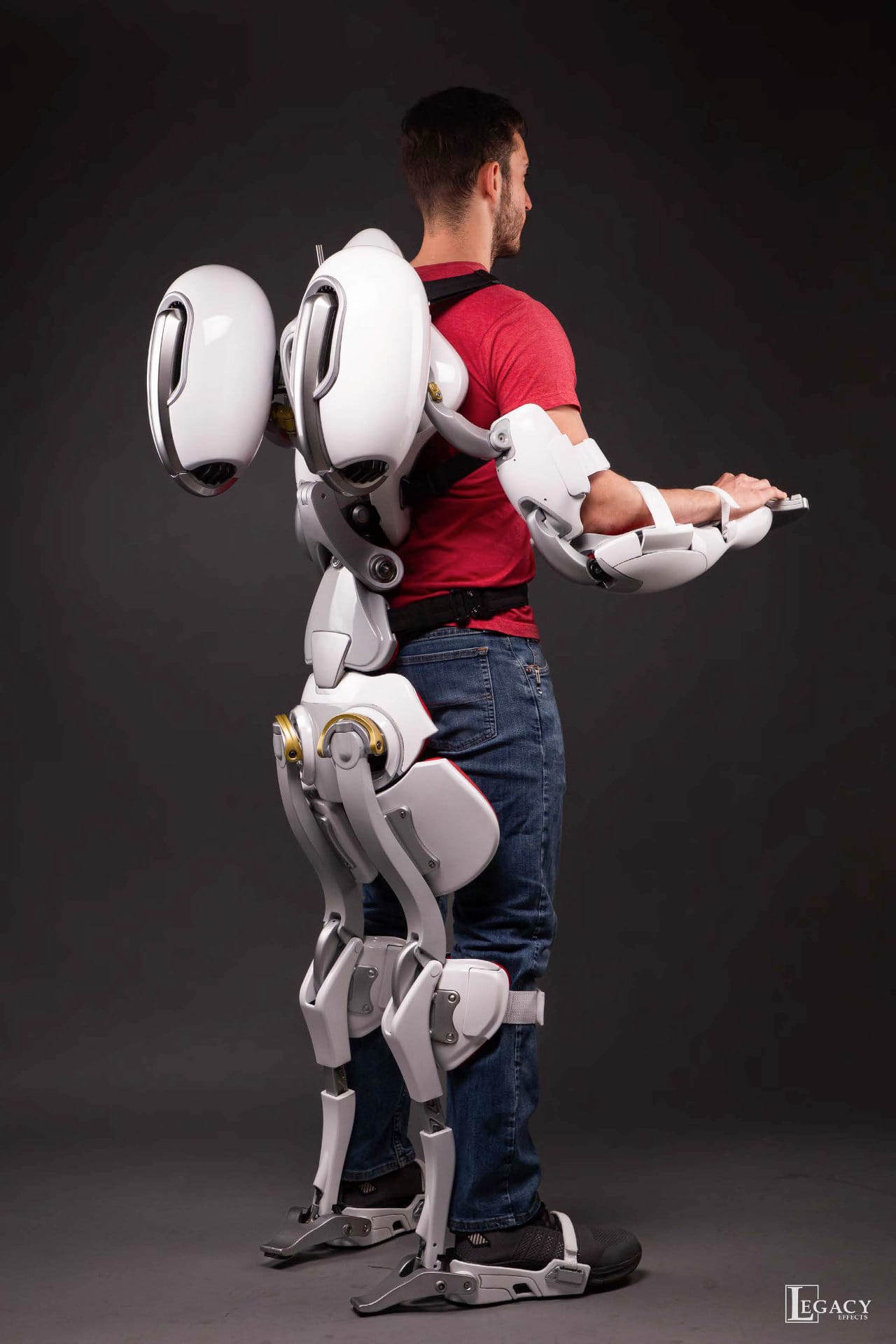
The same approach carried over to more complex builds, like Mr. Terrific’s flying chair. It had moving parts and needed to work on set, but much of it was made from printed components, combined with other materials. Many of these parts were produced using FFF, then combined with MJF components and metal hardware to create a functional structure. Once finished, it looked polished and solid, ready for the camera, Bambu Lab explained.
It also changed how animatronics were built. Robots, internal mechanisms, and brackets were printed, tested, and refined quickly, first in PLA and later in stronger materials like PA-CF. This allowed teams to validate fit and movement early, before committing to more durable versions. And when needed, printed parts were used to make molds, allowing the team to create multiple lightweight versions for stunt work from a single print.
Faster decisions, better results
The biggest change wasn’t just the parts, it was the pace. Teams could redesign, print, test, and repeat within a single day, sometimes several times, which changed how they worked. Instead of trying to get everything right the first time, they could try more ideas, fix problems earlier, and move faster across teams, with art, engineering, and fabrication starting to come together in a much more direct way. In some cases, teams ran several versions of the same part in a single day, adjusting designs between prints.
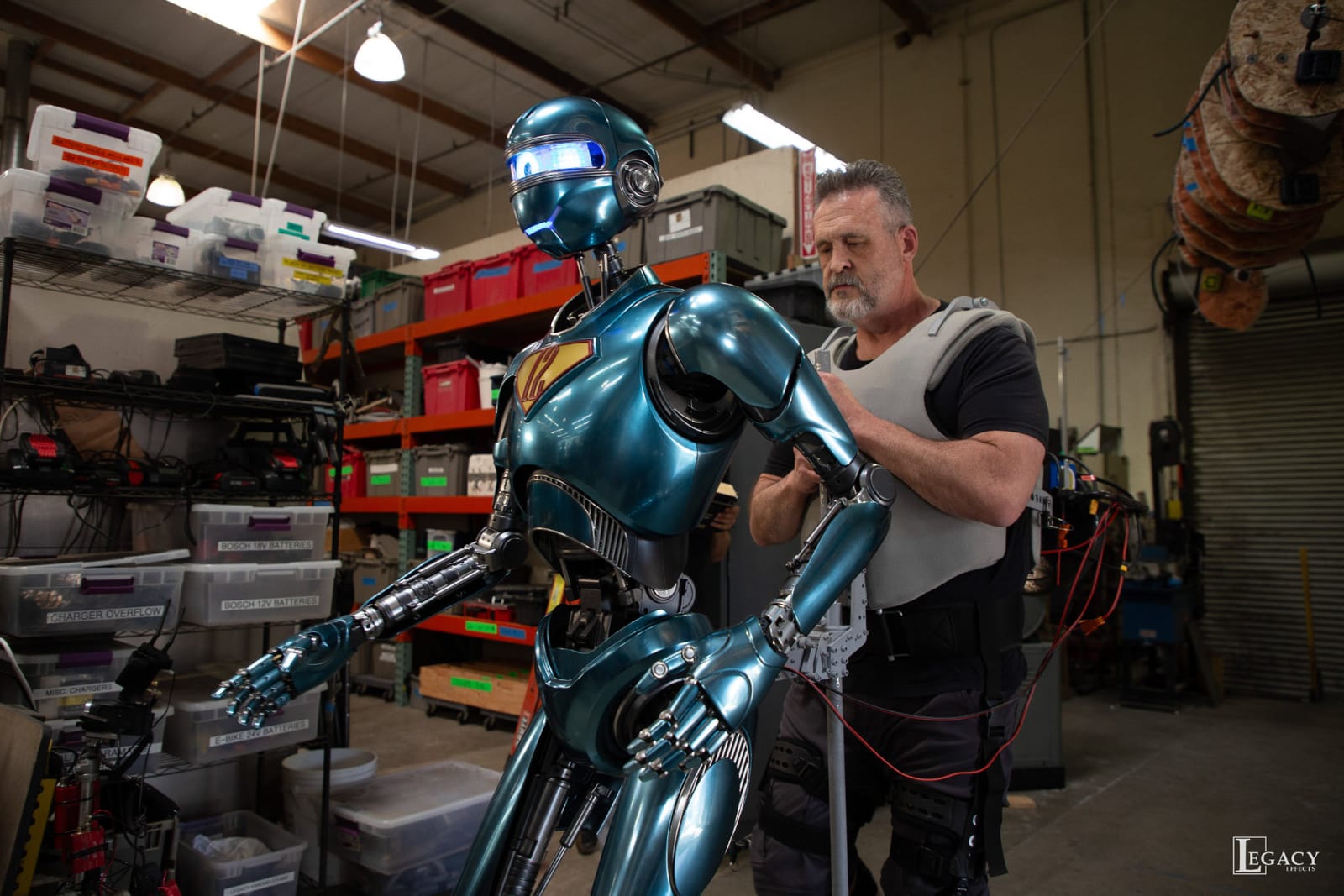
Final debugging of the Animatronic Robot that Superman uses in the movie.
3D printing has been part of film production for more than a decade, but mostly in the background, used for prototypes or support rather than final pieces. There have been some exceptions, with printed parts occasionally making it on screen, but those cases have been limited. What’s changing now is how widely the technology is used and how often those parts make it into the final product. In this case, it wasn’t just helping the process; it was replacing steps, simplifying the workflow, and allowing teams to move more directly from design to finished part. It also made it easier to move from digital models, whether sculpted or scanned, straight into production, without reworking them on the shop floor.
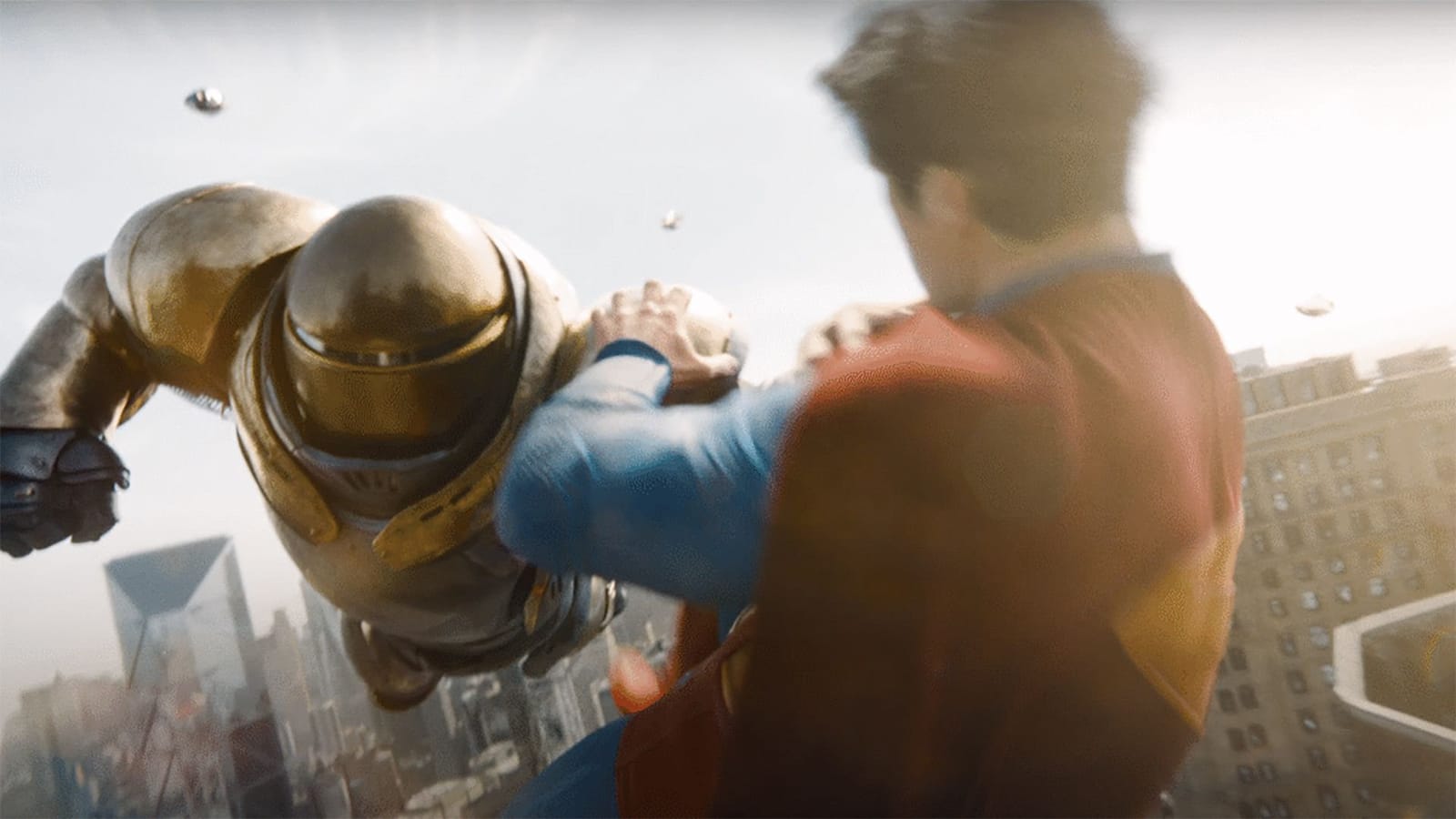
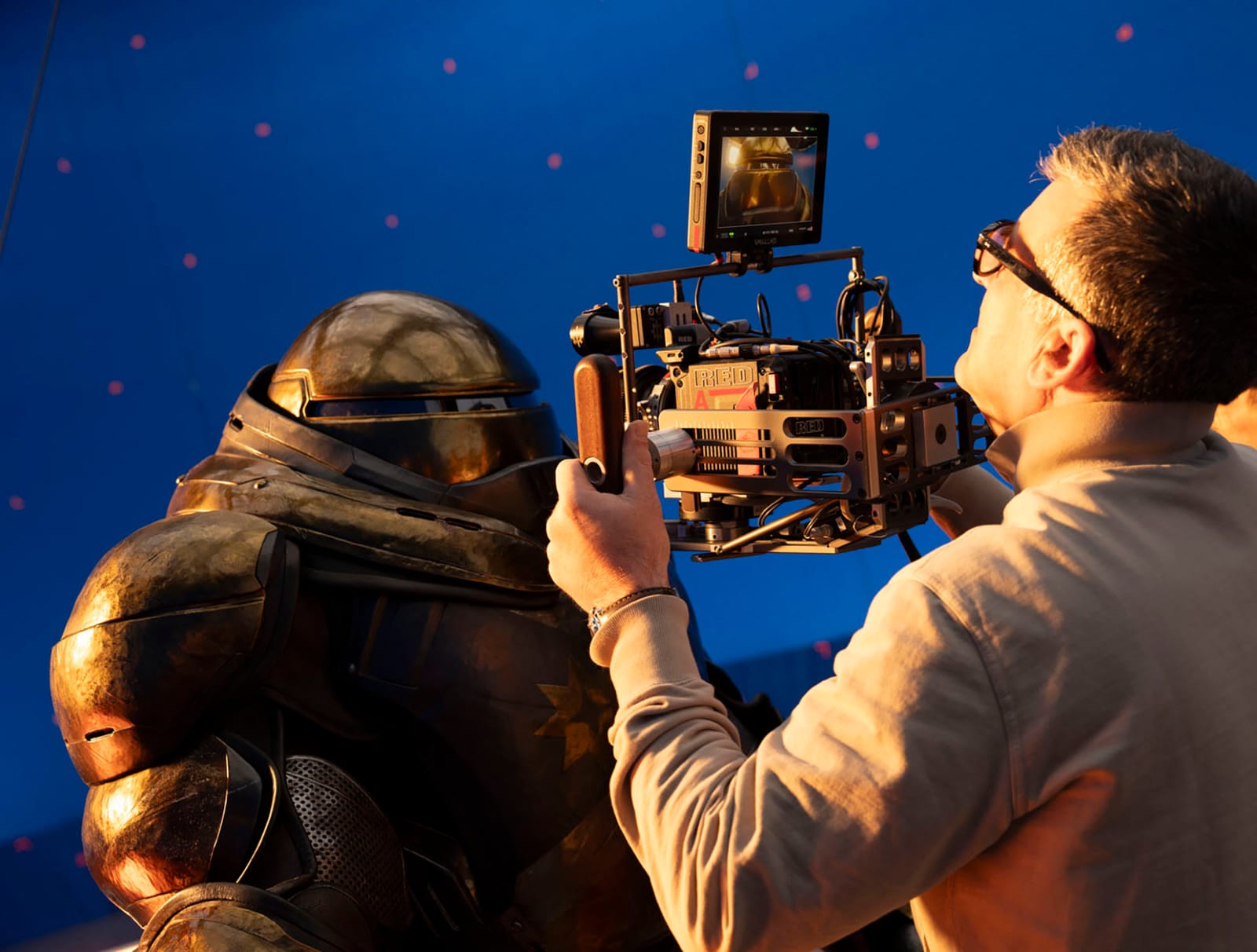
In the film, the Hammer of Boravia is fighting Superman.
Most people watching Superman 2025 won’t notice any of this. They will see the suits, the creatures, the machines, and assume it all came together the usual way. But something did change. 3D printing is no longer just a background tool for testing; it’s becoming part of how things are actually made. And that shift is likely to shape how these movies are made in the years to come.
Images courtesy of Bambu Lab/Legacy Effects