
Tethon 3D has acquired Fortify’s advanced materials intellectual property. Fortify wanted to bring fiber-reinforced vat-polymerized parts to market before pivoting to electronics and later to RF applications. This got them $12 million in funding from Lockheed Martin, followed by a joint investment from Raytheon and Lockheed. The firm sold a 3D printer to NASA’s Glenn Research Center, but things have been quiet around Fortify of late. It’s a shame because, whereas the firm initially made a rather diffuse and confused market entry, the RF 3D printing materials bet was prescient.
Right now, 3D printed RF is of strategic importance to almost all countries worldwide. And making and improving a better antenna, to deny interference or keep operating, is top of mind. Drones are dominating the battlefield and the headlines. A big component of drone warfare is RF communications and jamming. This is, therefore, an excellent move by Tethon 3D. Exquisitely timed, this acquisition could really do wonders for Tethon. Tethon, of course, is a materials supplier for the vat polymerization world, offering ceramics, a bioprinter, and materials for advanced applications. The company has been working on metal DLP since at least 2018 and indeed had a partnership with Fortify since 2021. So Tethon has a good understanding of what it is acquiring here as well.
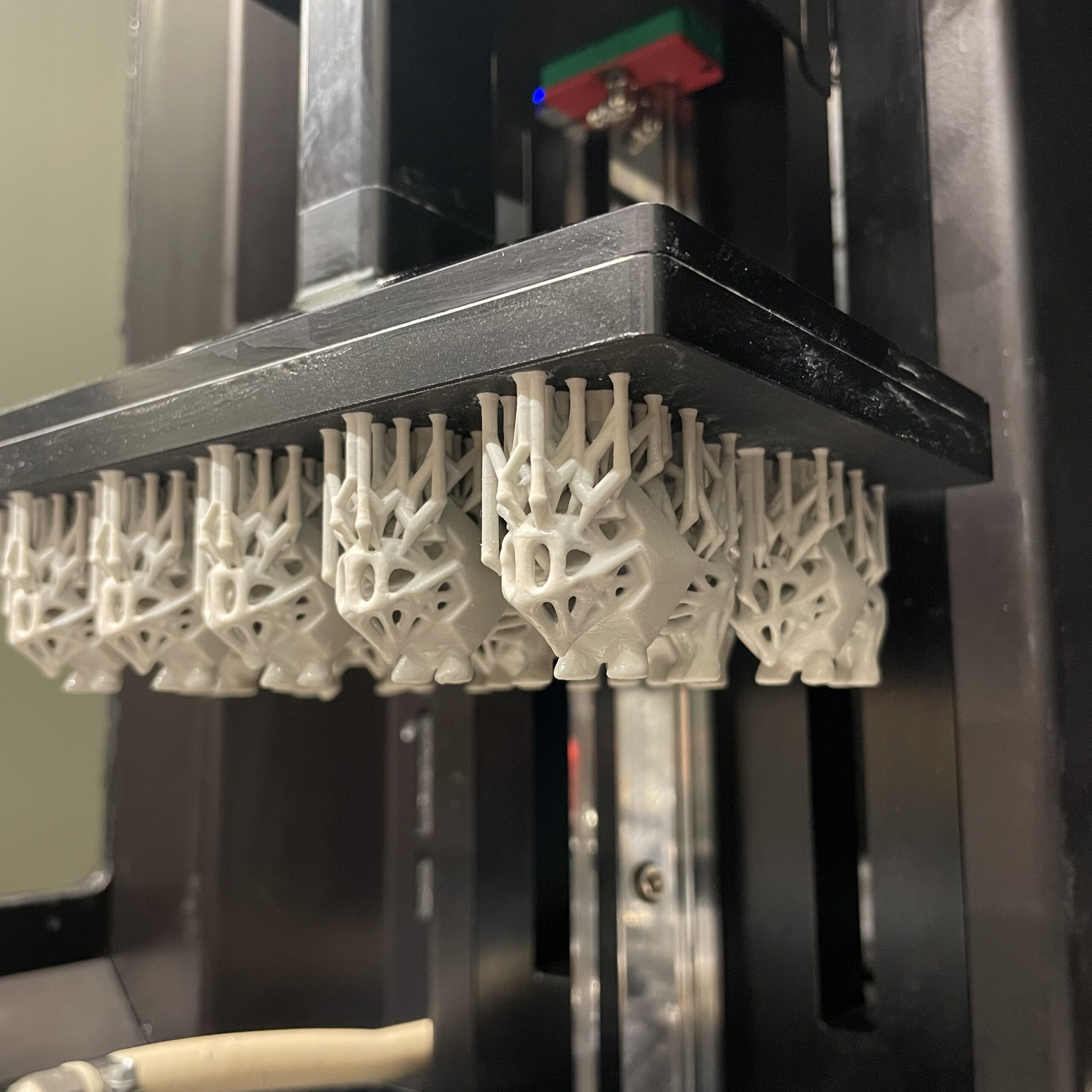
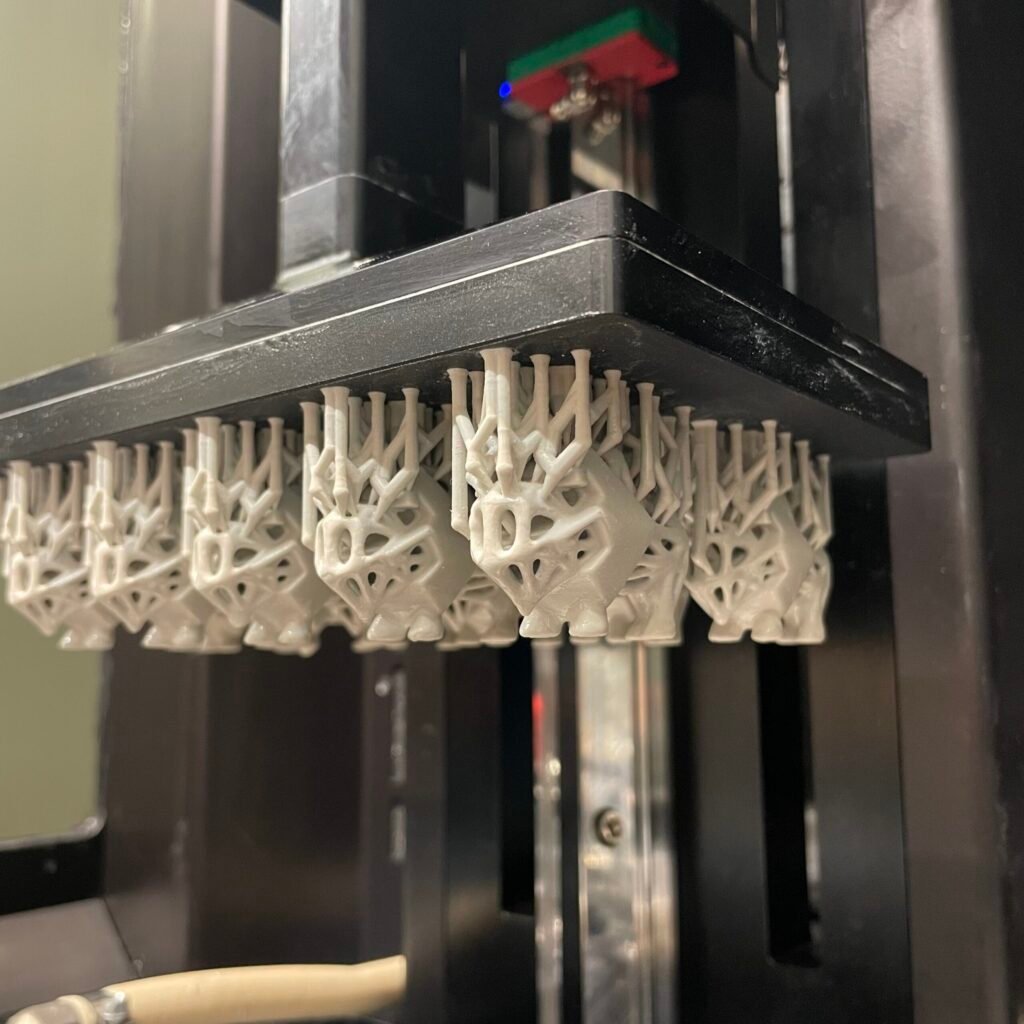
Tethon 3D Alumina Bison on Fortify Printer.
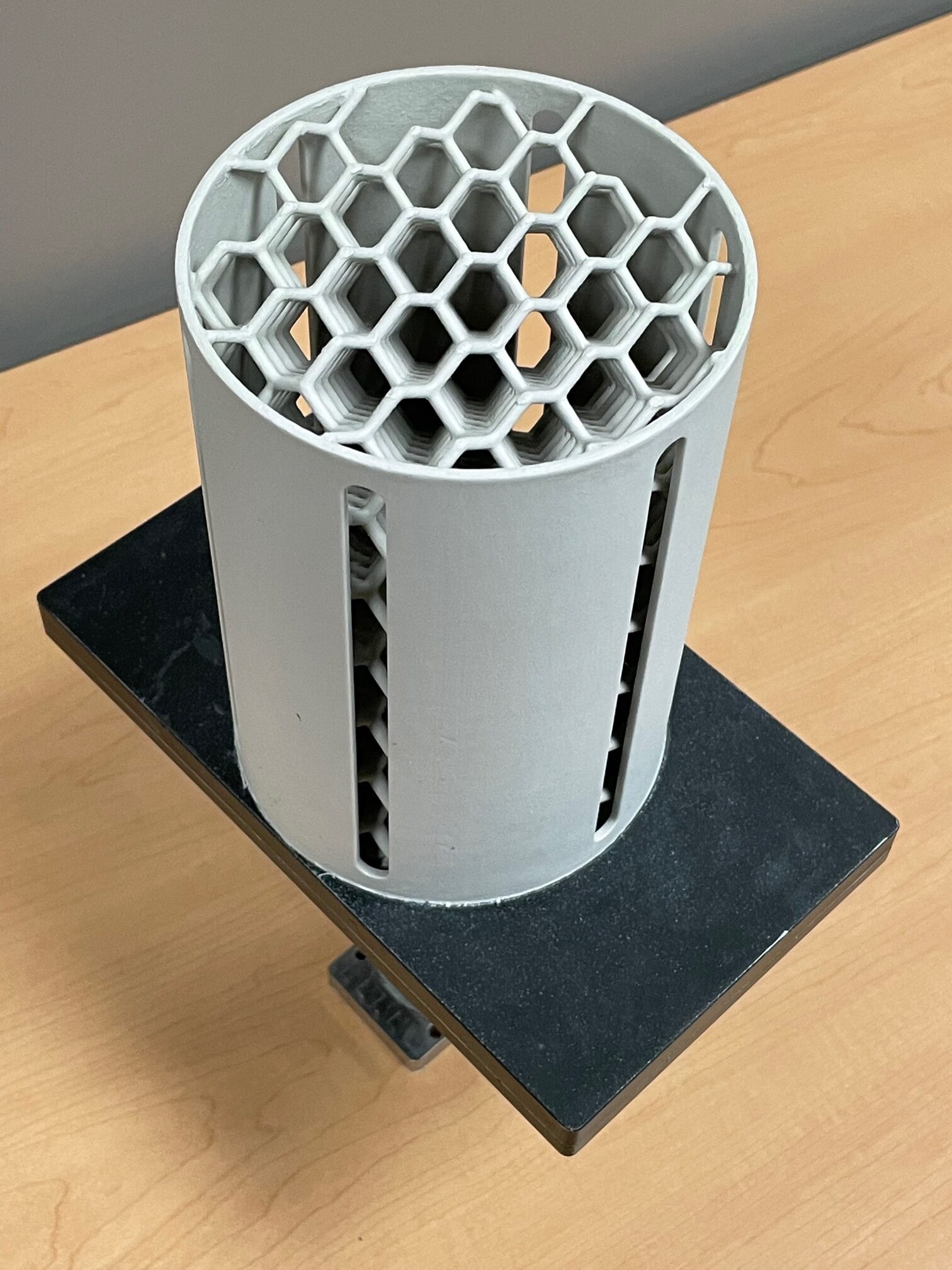
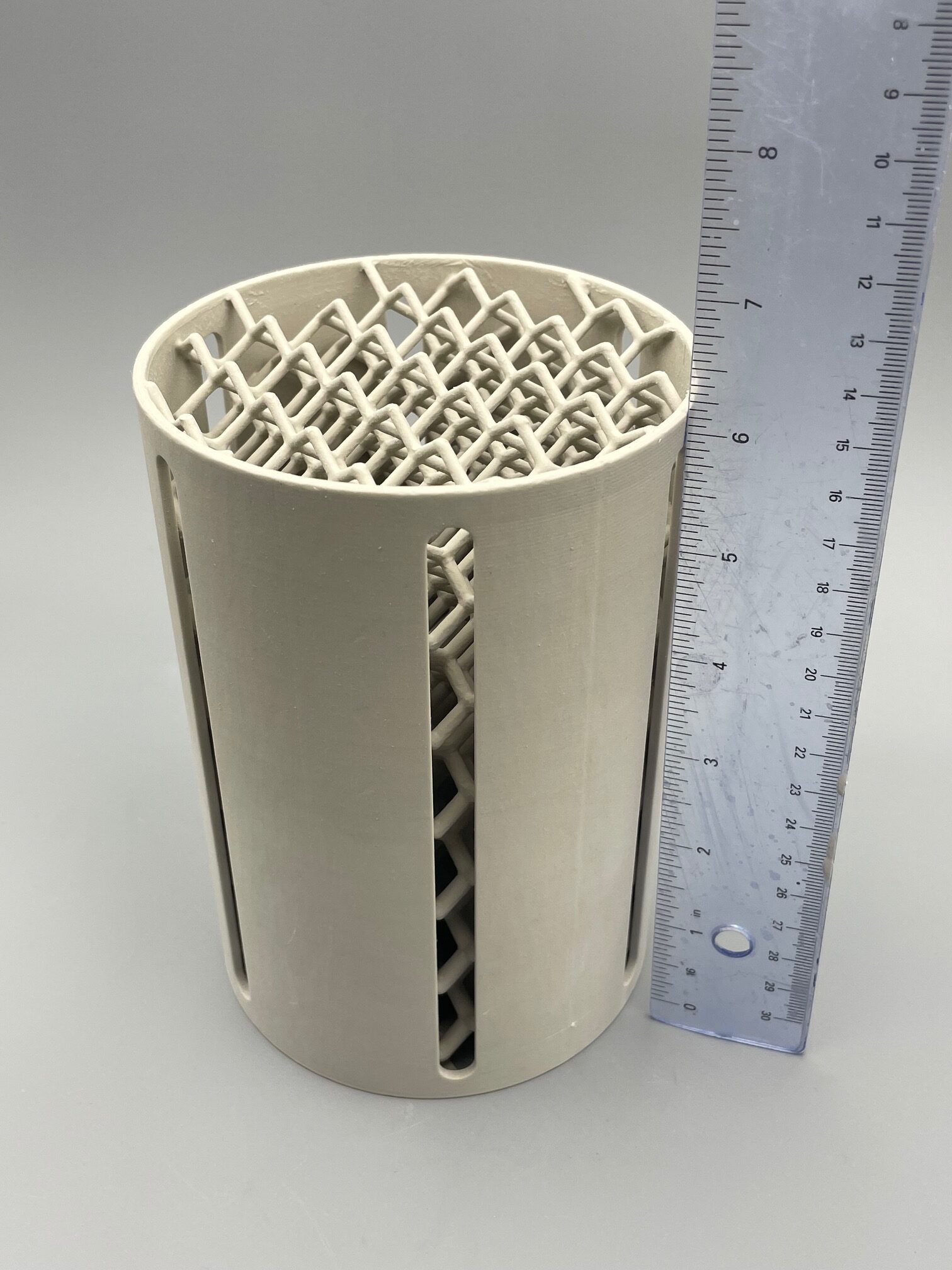
Fortify’s IP is in technical ceramics, specifically dielectric materials for RF applications. The company thinks that uses will be “microwave, and mmWave components for applications such as radar systems, satellite communications, and next-generation wireless infrastructure.” Which could be great, but I’d be using this stuff for radomes and antennas for things like CIWS and drones. Tens of thousands of kilometers of fiber-optic cable now litter Ukraine because jamming has made it a reliable way to pilot drones. This, of course, will not do for long-range strike drones and most interceptors. And we can also see in the Straight of Hormuz that inexpensive Shaheds can cause havoc on global energy markets and hold countries hostage. For navigation, such craft need a good antenna, ideally one that is impervious to RF jamming. So I’m pretty sure that almost every single military is in a mad scramble for better antenna capabilities now.
And 3D printing dielectric materials into an antenna is one of the fastest ways to make an optimized antenna. I’m also near certain that these materials have been used in some US government research projects. For the US research establishment, it’s good that this portfolio went to a US company as well.
The company says it bought “innovations in anisotropic composite structures and advanced material processing methods that enable high-performance RF, microwave, and mmWave components.” These materials enable the precision fabrication of dielectric structures for demanding applications, including radar systems, satellite communications, advanced electronics, and next-generation wireless infrastructure.¨
Tethon 3D CEO Trent Allen indicated,
“This acquisition is part of a broader strategy to build the leading advanced materials platform in our industry. We are focused on identifying and integrating technologies that enhance our ability to develop and scale high-performance ceramic materials for real production environments.Fortify developed compelling technologies around high-performance composite materials.Having collaborated with their team previously, we see significant opportunity to build on this work and integrate these innovations into Tethon’s advanced technical ceramics capabilities.”
The company aims to “focus on applications where technical performance and reliability matter most. By adding these technologies, the company is further expanding its technical foundation in high-performance ceramics and advanced materials systems.” I love everything about this. I don’t know how much they paid, but this was money well spent. It’s like buying an ice berg, avoiding radar technology, the week of the Titanic sinking, or having a lot of shovels and horses before the First World War. If you didn’t bid on this, or bid on it and didn’t get it, shame on you.
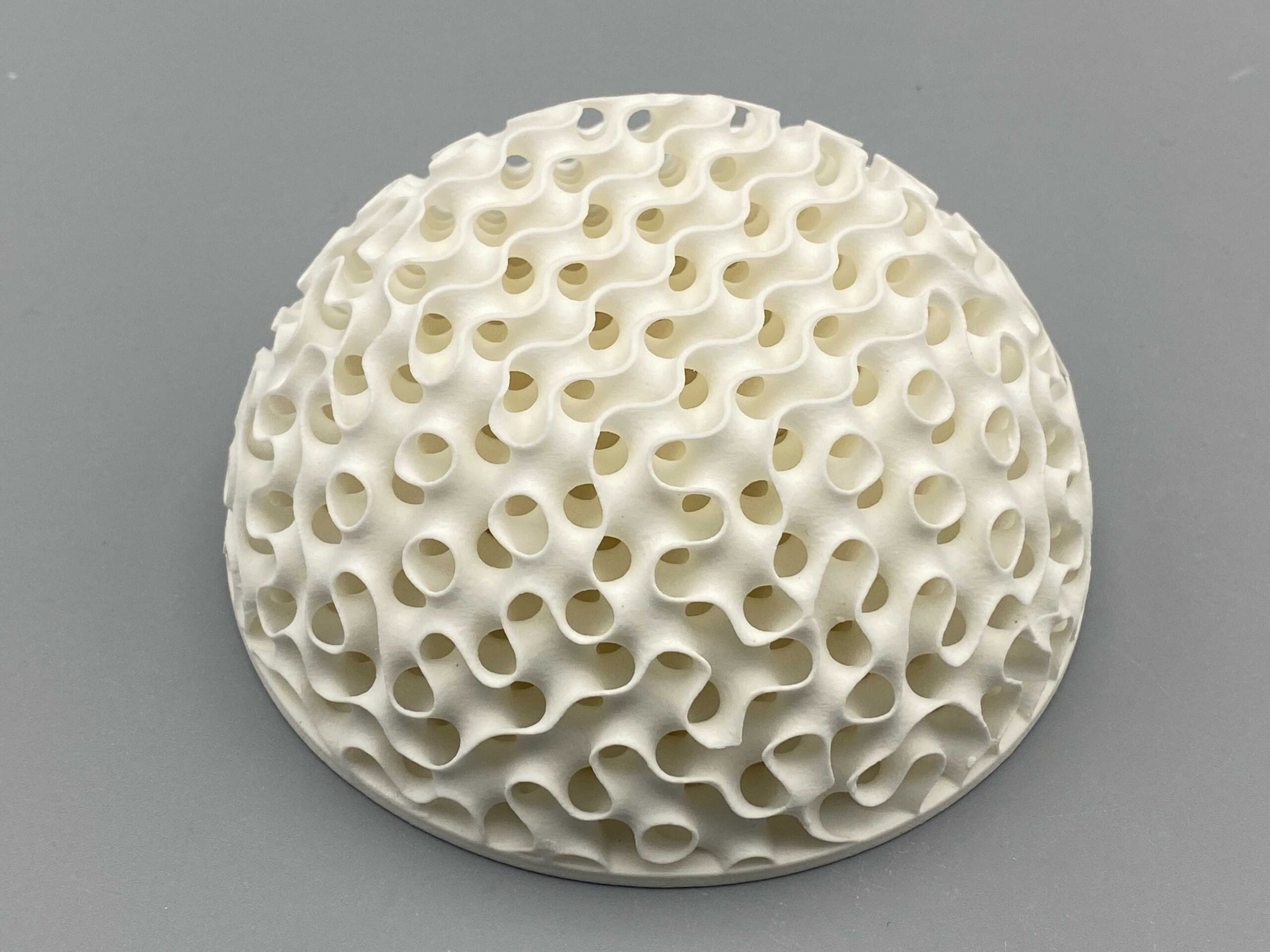
A 3D printed ceramic GRIN lens printed on the FLU CORE printer with high-purity Alumina.
One of the reasons that US drones fare so poorly in Ukraine is that they get eliminated quickly by RF jamming. All the exquisite kit in the world, traveling over to search for a marketing campaign, ends up being pretty useless after a week. The US (and all major militaries) need a solution for this. One of the best ways seems to be to use slurry, doped vat polymerization, or Zetamix to make RF antennas and radomes. It’s quick, quick to iterate, and can be used for conformal weight-saving integrated structures. RF is one of my favorite applications in general, but now that Hormuz is closed, it’s going to be a lot of other people’s favorite application too. Super amazing work, Tethon!
Images courtesy of Tethon 3D