
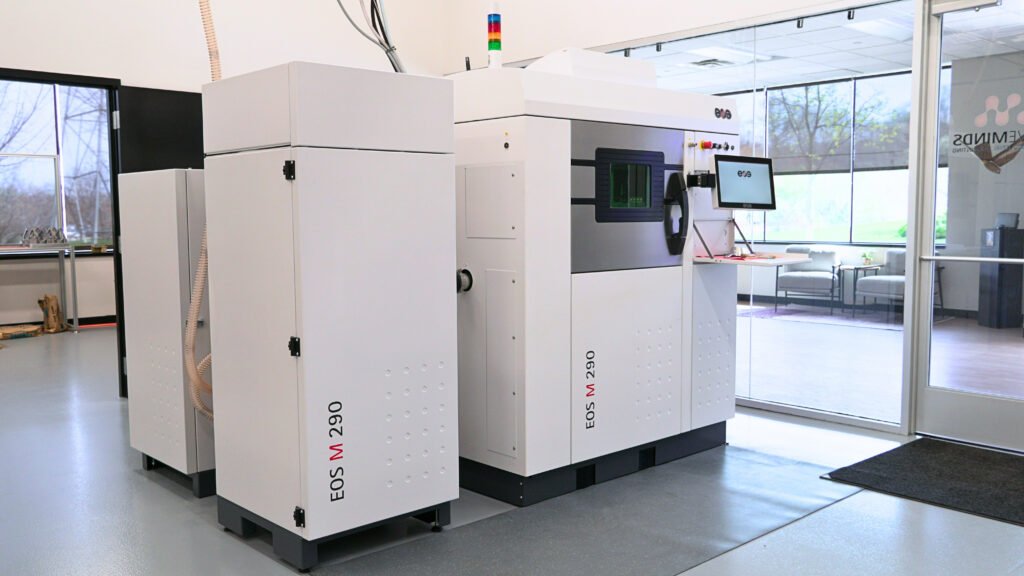
As additive manufacturing (AM) continues its transition from a niche technology to a core element of industrial production, workforce development has emerged as one of the industry’s most pressing issues. Advances in machines, materials, and software have accelerated rapidly, but the availability of skilled workers has not kept pace. Without deliberate investment in education and training, the growth of AM risks being constrained by human capital rather than technical capability.
The challenge is part of a broader manufacturing labor shortage. Across the sector, companies are struggling to fill open positions at the same time they are being asked to increase output, localize supply chains, and adopt more advanced production technologies. Additive manufacturing compounds this issue. It requires a combination of skills that are not traditionally taught together, including digital design, materials science, process control, and quality assurance. In many organizations, this creates a bottleneck at the point of implementation.
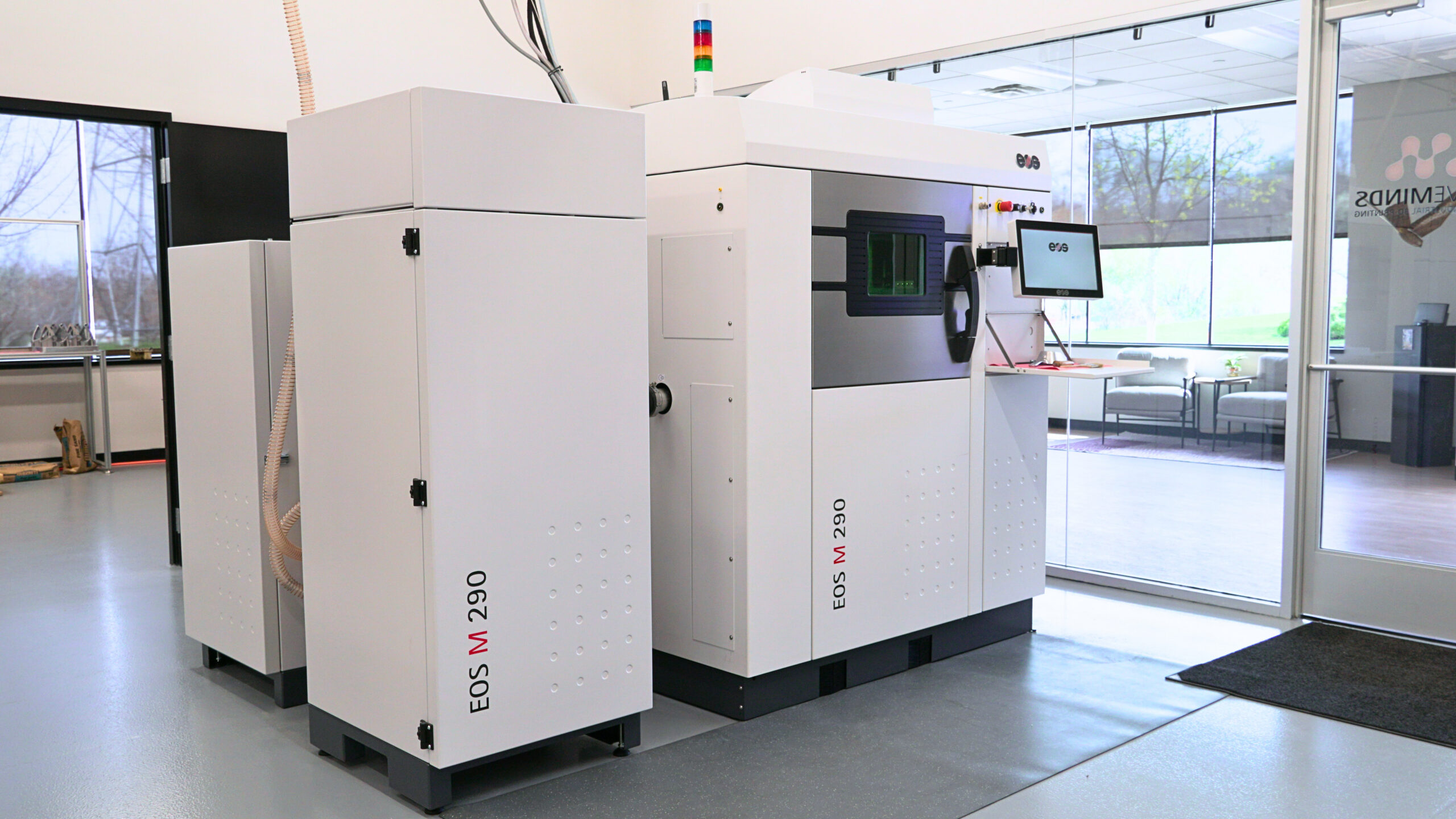
Education and training have therefore become strategic issues, not just operational ones. For AM to scale, engineers, technicians, and operators must be able to understand the full process chain and apply the technology reliably in production.
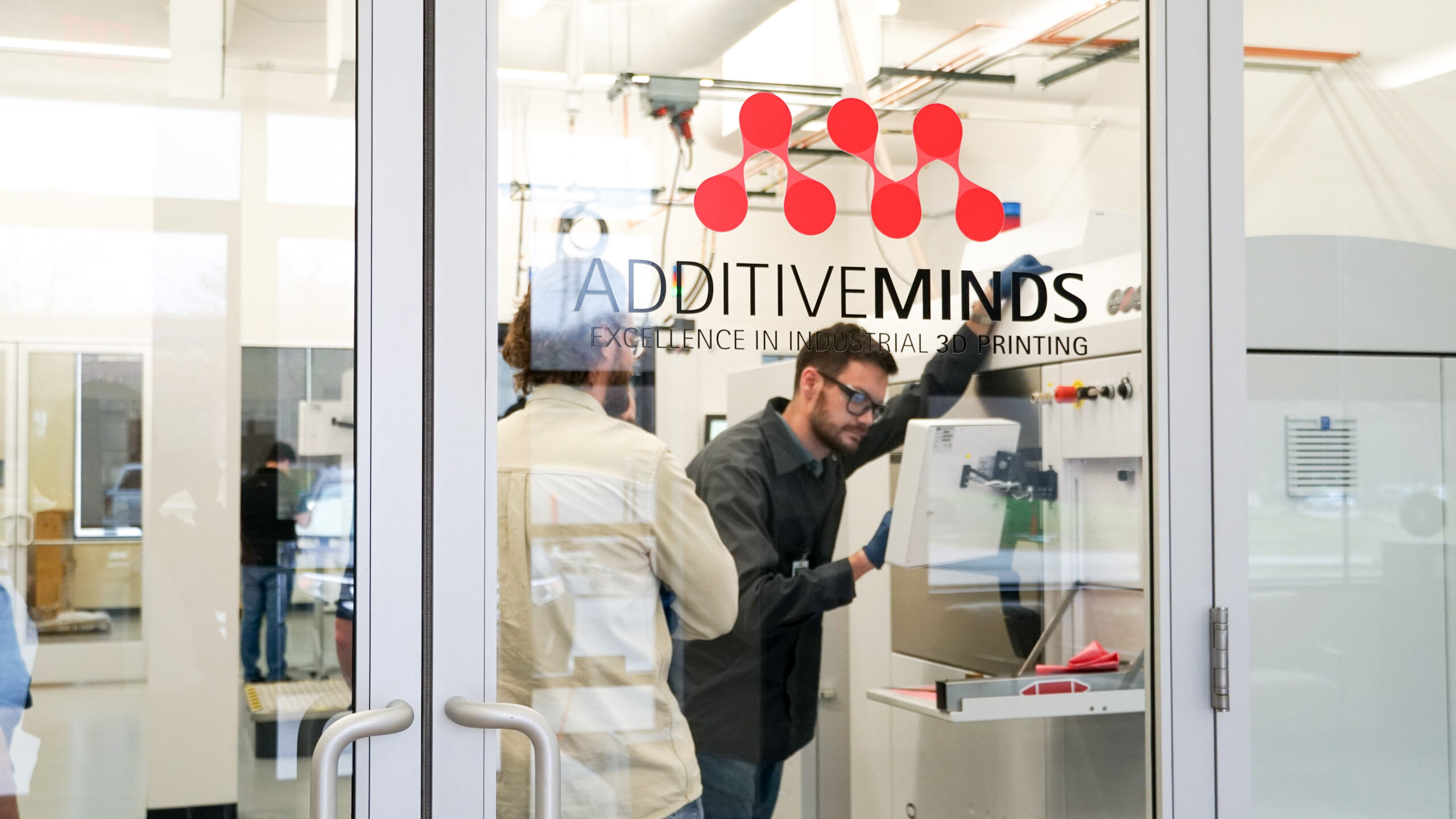
At EOS, this shift led to the creation of Additive Minds and, later, the Additive Minds Academy. The intent was not to promote specific technology, but to address a recurring industry problem: many companies acquire AM systems before they have the internal expertise to use them effectively. By focusing on the end-to-end AM workflow – design, materials, production, and post-processing – the Academy reflects a broader industry recognition that successful adoption depends on system-level understanding.
Several recent initiatives illustrate how workforce development efforts are evolving. The Metal AM Master Class with NASA, for example, reflects growing demand for deeper technical education in metal AM. Rather than introductory training, the program focuses on advanced process understanding and real-world application challenges, particularly in high-reliability environments. This type of collaboration highlights how cross-industry knowledge sharing can raise overall competency levels within the AM workforce.
Workforce development is also increasingly being addressed earlier in the talent pipeline. Programs such as AM IGNITE are aimed at students, supporting educators to build curricula and exposing students to additive manufacturing before career paths are firmly established. As traditional manufacturing struggles with perception and awareness challenges, early engagement has become an important tool for attracting new talent into the field and for ensuring that AM skills are integrated into future engineering and technical roles.
At the other end of the spectrum, AM is being incorporated into national and sector-specific workforce strategies. A recent example is the laser powder bed fusion (LPBF) training program developed through a partnership between EOS’s Additive Minds Academy and the U.S. Navy’s Maritime Industrial Base (MIB) Program. The initiative addresses an immediate need: enabling supplier employees to quickly gain practical AM skills in support of defense manufacturing and maintenance. The condensed, certification-based format reflects a broader trend toward faster, more targeted training models that align directly with operational requirements.
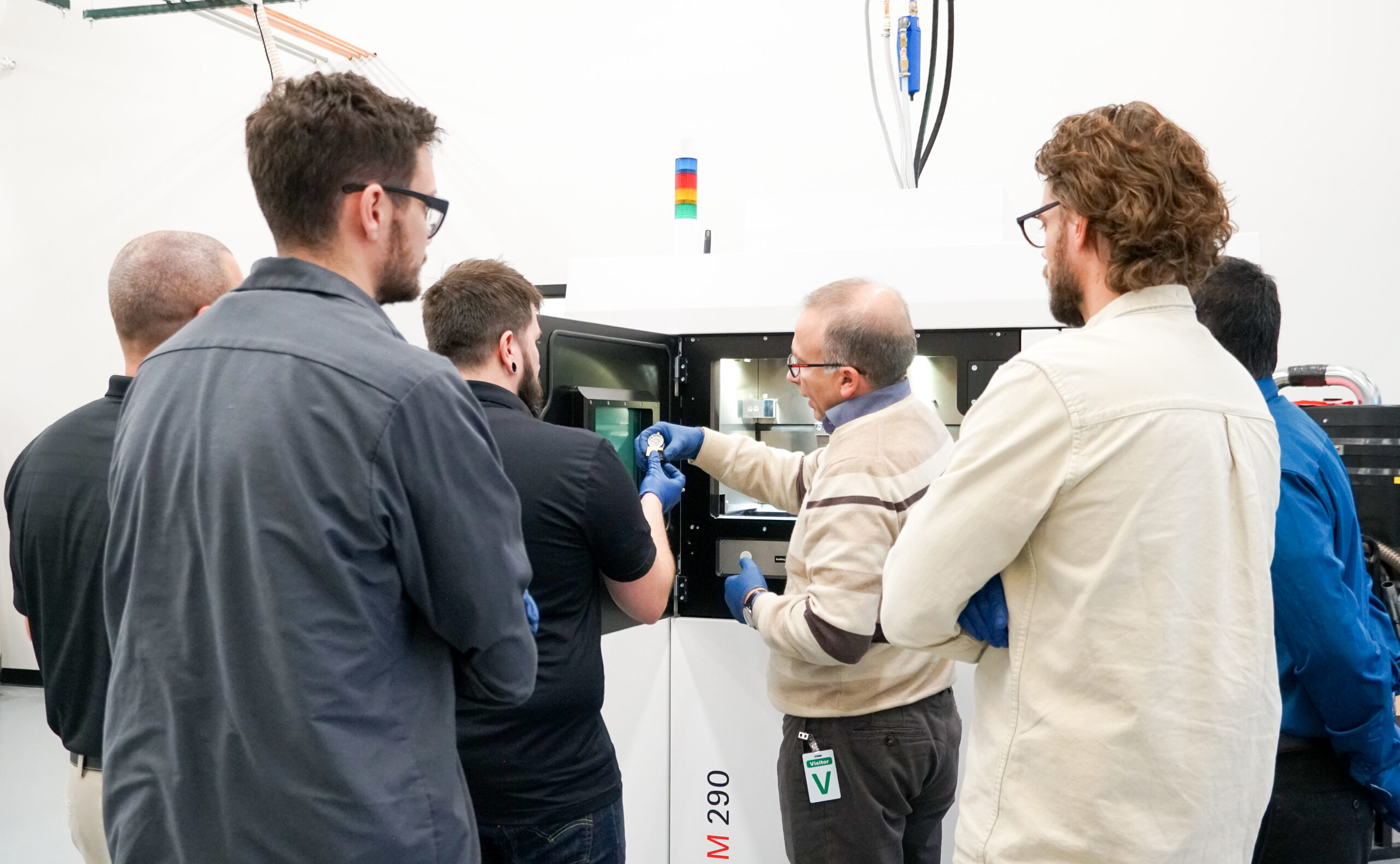
Beyond hands-on education, the Additive Minds Academy offers expert online certificate programs, such as the Process Science and Engineering Program, covering topics such as process parameters, material science and post processing technologies.
At the same time, partnerships between technology providers – such as machine, software, and automation companies – are helping to simplify workflows and lower the skill threshold required to operate AM systems effectively.
The additive manufacturing industry is still in a formative stage, and workforce development will play a decisive role in determining how quickly and sustainably it grows. Technology alone is not enough. The ability to train, retain, and continuously upskill a diverse workforce will ultimately define AM’s impact on industrial production. As more organizations recognize this reality, workforce development is shifting from a secondary consideration to a central pillar of additive manufacturing strategy.
Fabian Alefeld is the EOS Global Director of Business Development and Additive Minds Academy, responsible for global business development activities and leads the Global Additive Minds Academy. In this role, he guides business development and education teams that successfully support organizations in incorporating additive manufacturing (AM) technologies into their operations.
To further accelerate the growth of the additive manufacturing industry, Alefeld hosts the podcast “Additive Snack,” where he captures the experiences and knowledge of leading experts. Through this platform, he fosters knowledge sharing and inspires innovation within the AM community.
EOS is a Gold Sponsor of Additive Manufacturing Strategies (AMS) 2026 (AMS 2026), which will take place in New York City from February 24–26. At the event, Alefeld will be participating in a panel on “Workforce Development” on February 24. Learn more and register at AMS 2026.